
Wildlife spectacles in October
What wild nature is doing in October along the East Atlantic Flyway, from Norway to Angola: 84 spectacles at their peak and 121 more still going on. Wild animals only: no zoos, no wildlife parks, no hunting. For exact listening times on a given day, open October in the interactive calendar.
At their peak in October: Europe
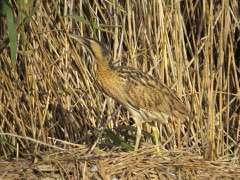 Tåkern: booming bitterns in Europe's biggest reedbedsThe deep, bottle-blown 'whump' of bitterns booming across the reeds, several males answering; reed, sedge and Savi's warblers, water rail squeals, cranes and geese; at Väversunda in late May the strange clicking display of great snipe towards nightfall.
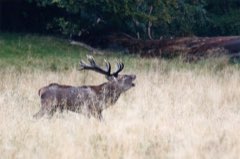 Red deer rut: Dyrehaven, Thy, Lille Vildmose, OksbølStags roaring across parkland (Dyrehaven's ~2,000 deer make it Europe's easiest big rut) or across dune heath in Thy with the North Sea behind; antler clashes, hinds, tawny owls; in Dyrehaven, also the Klampenborg trains.
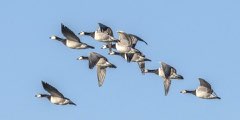 Wadden Sea autumn: geese, waders and whooper swans in the marshBarnacle goose yapping in flocks of tens of thousands over the Ballum marsh, brent geese growling on the flats, golden plover flocks whistling, whooper swan families bugling on the polders at night, curlew; the tide.
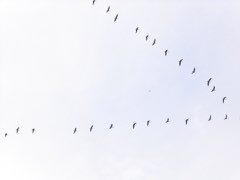 Pink-footed goose dawn flightsTens of thousands of geese lifting off the mudflats at first light in a wall of 'wink-wink' calls, wave after wave overhead.
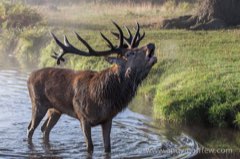 Red deer rutStags roaring and groaning, antler clashes, hinds barking alarm, animals crashing through bracken and heather.
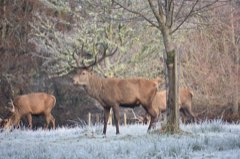 Red deer rut in Killarney National ParkRed stags roaring across the Killarney lakes with the mountains throwing it back; antler clashes; the eerie, rising triple whistle of sika stags from the oak woods; jackdaws and ravens at dawn; waterfalls at Torc.
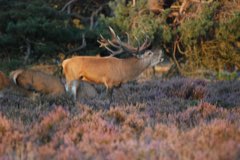 Red deer rut: Oostvaardersplassen and the VeluweStags roaring across open polder grassland with no cover to dampen it — an unusually long, clean reverb; antler clashes; geese lifting off the marsh behind; on the Veluwe, roars from the heath edge with wild boar grunting in the rides.
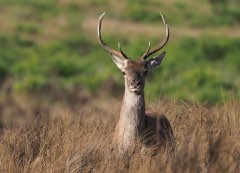 Le brame: red deer rut in the Ardennes forestsStags roaring in the beech and spruce valleys of the Ardennes — long, hoarse groans answered across the ridges, antler clashes in the dark, boar grunting, tawny owls; valleys give long reverb.
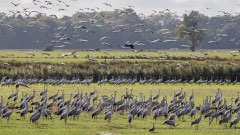 Crane autumn staging: Rügen-Bock, Linum, Diepholz, MüritzWaves of trumpeting families flying in at dusk, the roost's night-long murmur over shallow water, dawn's mass departure with tens of thousands calling at once; greylag and white-fronted geese in the same flights.
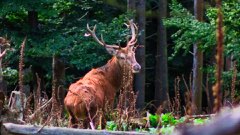 Red deer rut: Darß beaches, Schorfheide, Harz, EifelRoaring stags in pine-beech forest and, uniquely on the Darß, on open dunes with surf behind; antler fights, hind calls, cranes overhead at the Bodden in the same weeks.
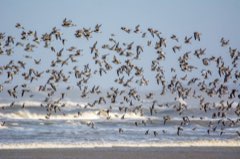 Wadden Sea autumn: millions of waders and geeseKnot and dunlin flocks in the tens of thousands wheeling with a rushing wing-roar, curlew and godwit calls at the roost, brent geese growling, barnacle geese yapping; wind, surf and the tide-edge trickle.
 Brame du cerf in the mountainsRoars echoing between forested slopes with 3–4 s of valley reverb; several stags on opposing slopes answering each other.
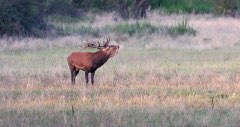 Brame du cerf — the great lowland forestsStags roaring across flat oak forest and heath — long, resonant bellows, antler clashes, hinds and calves moving; tawny owls between the roars.
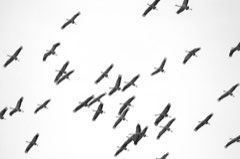 Cranes at Lac du DerTens of thousands of cranes bugling as they leave the lake at first light in wave after wave, then the evening return with the sky full of trumpeting skeins.
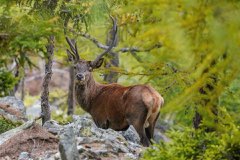 Red deer rut in Val Trupchun, Swiss National ParkDozens of stags roaring simultaneously on the open alpine meadows of the 'deer arena' with the Trupchun walls echoing them back; antler clashes across the stream; marmots still whistling in September; chough flocks.
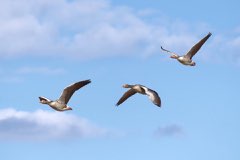 Goose autumn at the Lange Lacke, SeewinkelGeese in skeins of thousands crossing the pastures at dusk, greylag chatter on the soda lake roost through the night, cranes trumpeting overhead in late October, eagle calls; the salt-steppe silence in between.
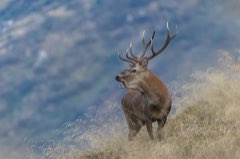 Red deer rut in the Kalkalpen and GesäuseRoaring stags in mountain beech-spruce forest with limestone walls behind — long echoes; in the Gesäuse the Enns rapids run under everything; antler fights, hinds, tawny and Ural owls.
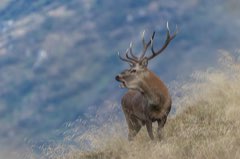 Red deer rut in the Dinaric forestsStags roaring across dolines and beech slopes — the Dinaric forest gives long, clean reverberant tails; antler clashes, hinds barking, Ural owls and dormice in the same nights.
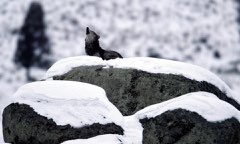 Wolf howling and Ural owls, Kočevski Rog nightsPack howls with high pup yips from rendezvous sites, carrying several km across karst dolines; Ural owl's deep barking 'wuh-wuh-wuho' and female's hoarse calls; Tengmalm's owl in late winter; red deer in the same windows from mid September.
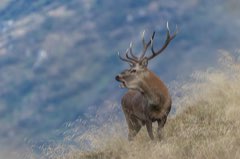 Red deer rut ('bramito')Roaring stags echoing across beech-forest valleys, often dozens at once, with wolves occasionally howling in reply.
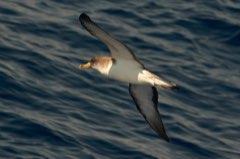 Cory's shearwater colonies of the CanariesThe wailing, sobbing 'pardela' chorus from thousands of birds over sea cliffs — the sound behind the Canarian mermaid legends — with the Atlantic swell and Bulwer's petrels' soft barking.
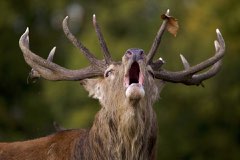 La berrea — Monfragüe, Cabañeros & Sierra MorenaStags roaring across dehesa and rocky sierra — three or four bellowing at once from the Monfragüe viewpoints while griffon vultures settle on the cliffs; wild boar and little owls in between.
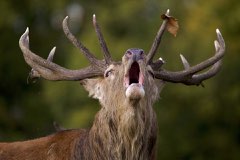 Brama do veado: red deer rut in the Serra da LousãStags roaring from the oak and chestnut gullies below the schist villages and across the open heath of the ridge — several at once at peak — with wild boar grunting, tawny owls and the streams in the valleys; a soundscape that did not exist here thirty years ago.
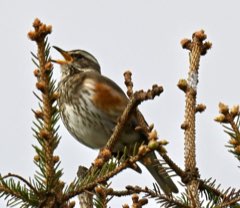 Autumn migration at Lista, Jomfruland and UtsiraDawn flight calls of thousands of thrushes, pipits and finches leaving the coast, waders on the Lista beaches, skuas and gannets passing the lighthouse in a westerly gale; at night, redwing and song thrush calls overhead.
 Falsterbo: Scandinavia's autumn migration funnelA continuous stream of flight calls at dawn — chaffinch, brambling, meadow pipit, yellow wagtail, siskin — thousands of birds an hour on a big day; cranes bugling high overhead in late Sept–Oct; the sea on both sides of the point.
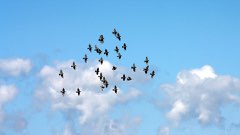 'Sort sol' — starling murmurations over the Wadden Sea marshesThe rush of a million wings folding in a single turn, the crackle of the flock settling into the reed, then a vast chattering roost; a raptor strike sends a rippling roar through the whole mass; morning departures leave in waves.
 Fallow deer rut at the EremitageBucks' rhythmic belching groans from a traditional rutting stand a few hundred metres south-west of the Eremitage lodge, antler clatter, does barking; sika stags' eerie whistling in the same weeks.
 Gedser Odde: autumn migration off Denmark's southern tipRivers of chaffinch and brambling calls over the car park on a big October morning, wood pigeons' wing-clatter, eider flocks crooning as they round the point, little gulls' chatter, the Fehmarn Belt surf; the station's own sound recorder (PUC) logs the night migration overhead.
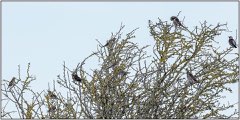 Autumn visible & nocturnal migrationThin 'tseep' of redwings passing overhead all night, then a stream of finch, pipit and lark flight calls at dawn.
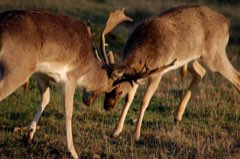 Fallow deer rutBucks' belching, rhythmic groans from rutting stands (true leks in some parks), antler clatter, does and fawns moving through leaf litter.
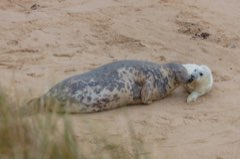 Grey seal puppingEerie wailing 'singing' of cows, bawling pups and bull snarls, with the surf.
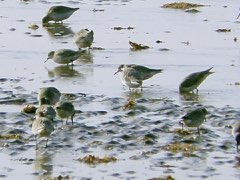 Snettisham wader spectacularTens of thousands of knot flying in smoky clouds with a roaring wing-rush, then a low twittering murmur as they pack onto the roost banks.
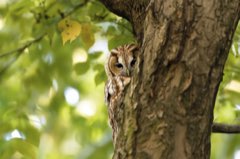 Tawny owl territorial callingHoots and 'ke-wick' duets and disputes as young birds try to settle territories; sometimes three or four birds answering.
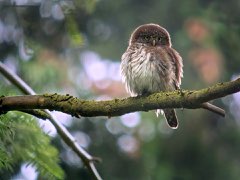 Bavarian Forest: pygmy and Tengmalm's owls, woodpeckers, lynx countryPygmy owl's piping series at dusk, Tengmalm's 'po-po-po-po' from the bark-beetle deadwood forest, Ural owl barking, three-toed woodpecker drumming rolls, nutcrackers; the loudest silence in Germany in the dead-spruce stands.
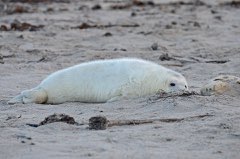 Helgoland migration falls and grey seal winterNocturnal flight calls of thrushes (redwing 'seep', song thrush, blackbird) in the thousands over the island, goldcrests in every bush at dawn; on the Düne, grey seal pups wailing and bulls roaring in December.
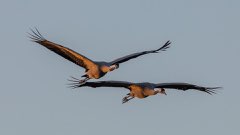 Müritz: cranes, ospreys and sea eagles in summerCrane pairs duetting at dawn from the bogs, bittern booming, osprey whistles over the lakes, eagle calls, woodlark and nightjar on the sandy heaths at dusk, marsh frogs; in autumn thousands of cranes flying into Rederangsee.
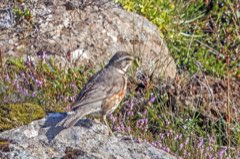 Autumn falls & nocmig on Ouessant and SeinRedwing and song thrush flight calls all night over the lighthouses, dawn passerine falls in the stone-walled fields, and shearwaters and gannets streaming past the headlands in a westerly.
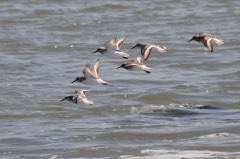 Baie de l'Aiguillon: wader roosts and winter geeseThe roar of 20,000 dunlin and plover lifting off the mud as the tide covers it, godwit and curlew flocks calling as they cross the dyke, wigeon whistling by the thousand on winter mornings, greylags at dawn and, in December, cranes bugling in to roost over the marsh.
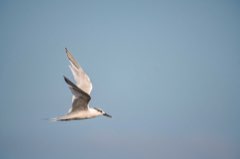 Banc d'Arguin terns & Arcachon brent geeseA grating Sandwich tern colony of thousands of pairs on a sandbank in the Atlantic swell; in winter, the rolling 'rronk' of brent flocks on the eelgrass beds.
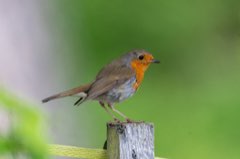 Autumn migration over the Alpine passes: Col de BretoletDawn: flight calls of thousands of pipits, chaffinches and siskins funnelling through the pass at head height, robins ticking in the dwarf pines after a night flight; at night, thrush and robin calls overhead against absolute mountain silence.
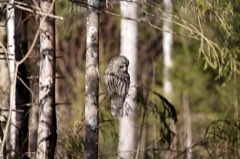 Ural owls in the Wienerwald and Dürrenstein wildernessUral owl's deep barking 'wuh-wuh... wu-wuhuh' series, female's hoarse heron-like calls, tawny owl duets, pygmy owl piping in the Dürrenstein old growth; snow-quiet beech forest.
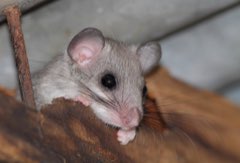 Edible dormouse nights and the 'polharjenje' seasonSqueals, churring and 'kissing' contact calls from the canopy, loud scrabbling on bark, beechnut shells raining down; in mast years the forest sounds like it is full of monkeys.
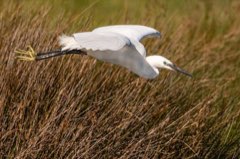 Neretva delta: the Adriatic flyway stopoverBittern booming from the reeds, whiskered and black terns over the lagoons, marsh frogs, great reed warblers, glossy ibis and egret flights at dusk, Cetti's warbler explosions; frog and cicada layers by June.
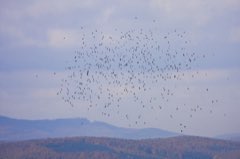 Autumn migration over Alpine passesStreams of flight calls funnelling through mountain passes at first light; thrush 'tseeps' in the dark.
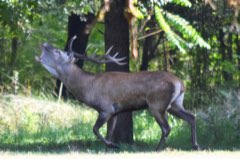 Lowland deer ruts: Mesola red deer & fallow at San RossoreStags roaring in a flat coastal holm-oak forest — a different acoustic from the mountains — and fallow bucks groaning in the pinewoods of San Rossore.
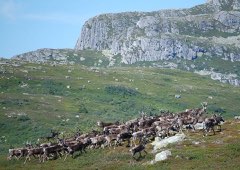 Wild reindeer rut on the high plateausBulls' hoarse grunting and antler-clatter, the tendon click of a thousand hooves as a herd moves, rock ptarmigan, wind and snow; almost no anthropogenic sound on the inner plateaus.
 Ottenby: autumn at the southern tip of ÖlandOn fall mornings the Lund rustles with hundreds of goldcrests and robins ticking; eider and long-tailed duck flocks calling as they round the point; wind and surf; eagles' yelps over the meadows in October.
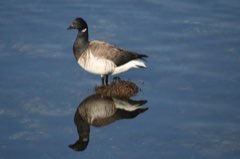 Light-bellied brent geese arriving in Dublin BayThe soft, rolling 'rrronk' chorus of brent flocks on the lagoon and the salt marsh, godwits and knot calling at the roost, curlews over the mudflats — all against the hum of Dublin port, the DART and the city.
 Iroise: grey seals of Molène and Sein dolphinsSeal moans and pup calls from the reef islets, a resident bottlenose pod around Sein and Molène, and the Iroise swell — France's most oceanic soundscape.
 Pyrenean passes: raptor, stork, pigeon & crane migrationMostly visual, but woodpigeon flocks pass with a rush of wings, cranes bugle over the pass, and pre-dawn passerine flight calls stream through — with gunfire from the neighbouring hunting passes.
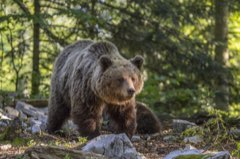 Brown bears and wolves, Gorski kotar and VelebitBear footfalls, huffs and jaw-popping close to a hide; wolf packs howling across karst dolines in late summer; dormice and Ural owls at night; the Lika plateau is one of the quietest places in southern Europe.
 Eleonora's falcon coloniesHarsh 'kya-kya' calls from dozens of falcons over sea cliffs, chicks begging, the surf below; a visual spectacle with a lean soundtrack.
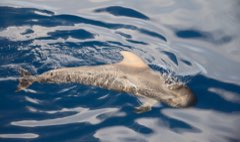 Pilot whales of Teno–Rasca, TenerifeWith a hydrophone: pilot whale whistles and clicks from a resident population of about 500 animals in deep water only 2–3 km offshore; above water, resting groups blowing quietly between boats.
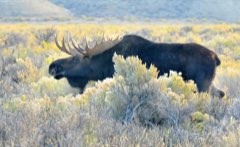 Moose rut in the eastern forestsSubdued compared with red deer: bulls' low grunts and 'oouh' calls, cows' long nasal moans, antlers thrashing in willow and birch, heavy splashing in bog; tawny owl and cranes overhead; rifle shots — the hunt opens 25 September.
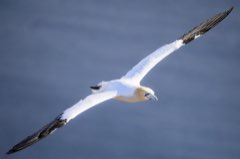 Cap Gris-Nez: seabird passage through the Dover StraitA visual passage — skuas harrying terns, gannet lines, scoter strings — above the one great sound of the place: the Channel breaking on the rocks 50 m below, with kittiwakes and the Gris-Nez foghorn in sea fog. Overland, meadow pipits and finches stream past calling on October mornings.
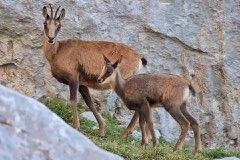 Cantabrian mountains: chamois rut, bears and wallcreepersChamois whistling alarms and clattering hooves on limestone, alpine chough flocks, wallcreeper thin whistles from the gorge walls, bells and the Cares river; bears are silent and distant.
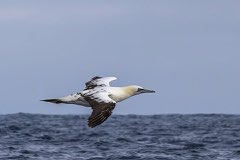 Seabird passage at Estaca de BaresMostly a scope spectacle — over a million seabirds a year round Spain's northernmost point — but the gale, the surf on the rocks and passing gannet flocks make a raw Atlantic ambience.
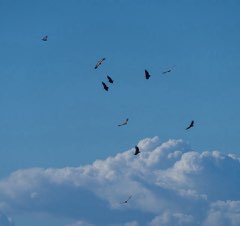 Sagres: the south-west corner — raptor passage and seabirds off Cape St VincentMostly a sky spectacle, but the Sagres plateau has its own soundtrack: red-billed chough flocks (one of Portugal's few colonies) calling over the fields, bee-eaters passing in September, and the Atlantic swell under the Cape St Vincent cliffs. The raptors themselves are silent.
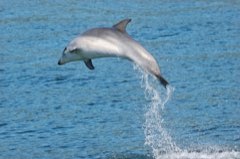 The Sado's resident bottlenose dolphinsA visual spectacle above water — blows and the slap of a breach — but a hydrophone over the side of the ferry or a kayak in the channel catches the clicks and whistles of a small, closely studied pod; the estuary is otherwise ferry engines, the Setúbal docks and the Atlantic swell at the bar.
At their peak in October: West and Central Africa
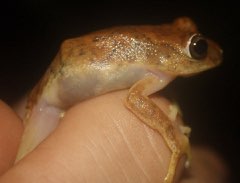 Rainy-season frog chorus at TaïDense stacked choruses of Hyperolius and Afrixalus over the pools, the hammering of Leptopelis and the metallic ticking of puddle frogs from the leaf litter, with katydids above them.
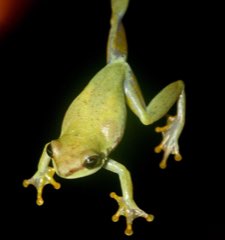 First-rains frog chorus in the Upper Guinea forestLayered choruses of reed frogs and Afrixalus at 3–5 kHz over the clicking of Kassina and the low honks of Leptopelis, from every pool and swamp along the forest roads, with crickets and katydids filling the gaps.
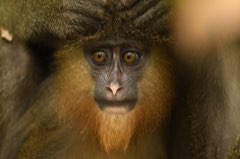 Lopé: the mandrill super-groups of the dry seasonA horde of several hundred mandrills on the move is one of the loudest things in an African forest: a rolling wave of grunts, two-phase 'crowing' from the males, screams, branches breaking and the drumming of hundreds of feet in the leaf litter, approaching for minutes before anything is seen and fading for minutes after. Around it, the savanna–forest dawn: hornbills, greenbuls, elephants rumbling at the forest edge.
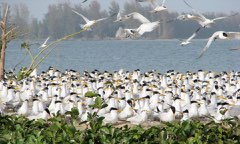 Tern roosts and Palearctic waders on the Keta and Songor lagoonsThe rasping, screaming mass of a tern roost settling at dusk, spotted redshank 'chu-it' and godwit chatter across the pans, and whistling ducks passing overhead at night.
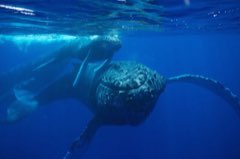 Conkouati-Douli: humpback whales and leatherback nestingBlows and breaches from the beach, humpback song on a hydrophone from a drifting pirogue, and at night the digging and heavy breathing of a leatherback on a wild beach with no lights for 50 km; chimpanzees pant-hooting from the lagoon islands at dawn.
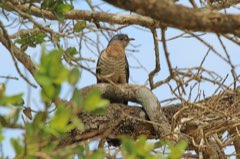 Miombo woodland at the first rains: cuckoos, barbets and frogsThe full southern-African miombo dawn — cuckoos calling in every direction, barbets duetting, tinkerbirds' endless popping, orioles and the red flush of new leaves — and after the first storms the pans erupt with reed frogs and bullfrogs at night.
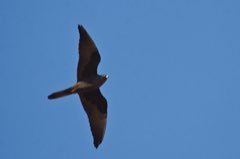 Eleonora's falcons hunting migrants off EssaouiraHigh 'kyah-kyah' alarm and contact calls carrying across 1 km of water from the colony (over 1,200 nests counted in 2016 — one of the largest in the world), and the surf and gull colony beneath.
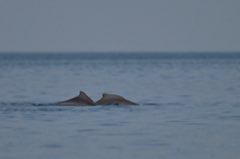 Atlantic humpback dolphins of the Saloum delta — the species' last strongholdThrough a hydrophone: whistles and click-trains of a species almost never recorded (the surveys deploy SoundTraps and F-PODs to build its first sound library). Above water: blows, the slap of a fluke, pied kingfishers, and the mangrove's own chorus of herons and fiddler crabs at low water.
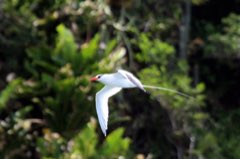 Red-billed tropicbird colony, Îles de la MadeleineTropicbirds' rasping, ratcheting display screams as pairs circle the basalt cliffs of Sarpan island a few metres overhead, surf in the sea caves, and Dakar's hum across 4 km of water.
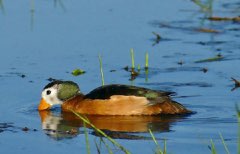 Kartong — wetland pools, Allahein river mouth and turtle beachCrakes and pygmy geese in the sand-mine pools, a wader roost at the Allahein mouth, and on rainy-season nights the beach with the surf and, if you are lucky, a nesting green turtle's breathing.
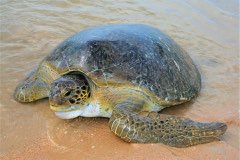 Green turtle nesting on Poilão — Africa's largest rookeryA beach with hundreds of females digging at once: sand thrown against the vegetation, the long sighs of turtles breathing, flippers on wet sand, and surf — with the forest's night birds and fruit bats behind. Sacred island: no other human sound at all.
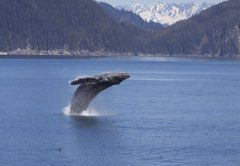 Humpback whales off Cape Three PointsBlows and breaches from the headland; with a hydrophone from a canoe, song from singing males in the breeding season — the reason to come. Above water this is mostly a sighting.
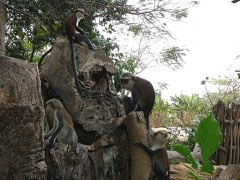 Sacred-grove monkeys at Tafi Atome and Boabeng-FiemaMona monkeys' booming male calls and chattering troops moving through the sacred grove, the deep rolling roar of male white-thighed colobus at dawn at Boabeng-Fiema, and a village waking up underneath.
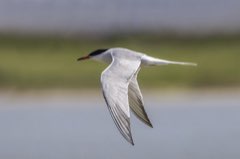 Palearctic waders and terns on Lake Togo and the Aného lagoonsTerns screaming over the sandbars at Aného where the lagoon meets the sea, whimbrel and greenshank from the flats, egrets settling in the mangroves at Togoville, and the pirogues of the fishing villages.
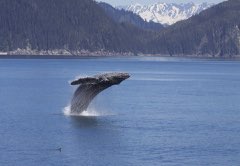 Humpback whales off Ouidah and Grand-PopoBlows, breaches and tail slaps from the boat; with a hydrophone over the side and the engine off, humpback song in the breeding season.
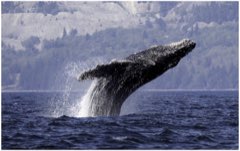 Humpback whales off KribiBlows, breaches and tail slaps; with a hydrophone over the side and the engine cut, male song in the breeding season. Sousa dolphins hunt in the surf line off the estuaries.
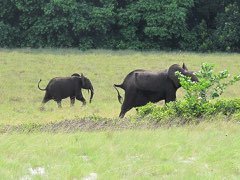 Loango: forest elephants, buffalo and hippos on the ocean beachSurf behind everything. Elephants are near-silent on sand, but the rumbles and the crack of branches at the forest edge carry at dawn; hippo grunts from the lagoons at dusk; red river hog groups snuffling through the leaf litter; the chatter of river-martin flocks over the water in August–October and chimpanzee pant-hoots from the forest behind Akaka in the wet season.
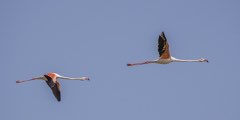 Flamingos and Palearctic waders on the Mussulo lagoonFlamingo flocks honking and murmuring on the shallows of the inner lagoon, whimbrel and grey plover across the flats at low tide, terns over the channel and, on the city side, Luanda's traffic and the port.
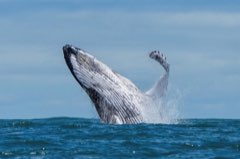 Humpback whales off Namibe and BenguelaBlows and breaches close inshore below desert cliffs, with a hydrophone over the side of a fishing boat: humpback song. Above water the Namib coast is fog, surf and cormorants.
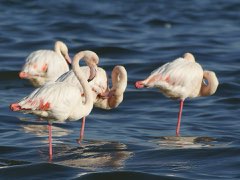 Iona and the Namib coast: desert dawn, flamingos and the Cunene mouthRüppell's korhaan and larks in the absolute silence of the Namib at dawn, flamingo flocks on the Baía dos Tigres shallows, Cape cormorant colonies, the surf and fog of the Skeleton Coast's northern end, and jackals at night.
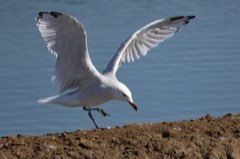 Oued Souss estuary — Audouin's gulls, flamingos and waders at Agadir's doorA gull-and-wader soundscape: Audouin's gulls' nasal calls, slender-billed and laughing gulls, flamingos honking, stilts and greenshank — over Agadir's surf and the N10 bridge traffic. Not a hushed site, but a very accessible one.
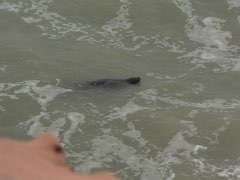 Mediterranean monk seal colony, Cap BlancThe world's largest monk seal colony (around 300 animals) in a few sea caves and cliff-foot beaches: barks, snorts and pup bleats over surf — but mostly heard from above, at a distance, on the viewing platforms.
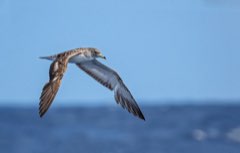 Autumn seabird passage off Cap Rhir, north of AgadirA visual event: hundreds of Scopoli's shearwaters shearing past the lighthouse point, skuas chasing terns, and now and then the park's bald ibis flapping by at eye level. Surf on the rocks, wind, and fishermen on the ledges below.
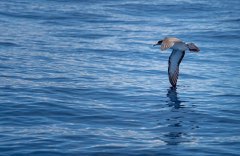 Autumn seabird passage off Ras NouadhibouA visual seawatch over the Cap Blanc upwelling — the same seabird river that Ngor (Dakar) and the Banc d'Arguin islands see; gannets and skuas within the surf line on windy mornings. Sound value is low unless you deploy a hydrophone for the fish-and-dolphin activity of the upwelling.
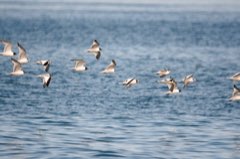 Autumn seabird passage off Ngor, DakarA visual event over Africa's westernmost point: streams of shearwaters and Sabine's gulls within a few hundred metres of the rocks. Surf, pirogue outboards and Ngor village are the soundtrack; humpback whales pass Sept–Nov and a hydrophone off the rocks is worth a try.
Also going on in October
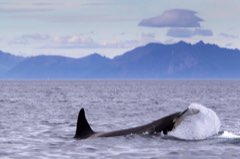 Orcas and humpbacks on the winter herring, SkjervøyWith a hydrophone: orca calls, whistles and echolocation from several pods carousel-feeding, humpback social sounds and feeding calls, the hiss of a herring ball being tail-slapped; above water, blows, tail-slaps and the roar of a humpback lunge; fishing vessels' sonar and engines.
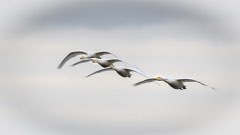 Whooper swans & barnacle geeseBugling whoopers and yapping barnacle flocks like a huge crowd; the whole Svalbard barnacle population is on one estuary.
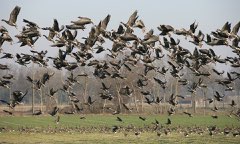 Arctic geese on the Lower RhineWhite-fronted geese's high yelping in skeins of thousands, bean geese's deeper 'kayak', the roar of a roost lifting off the Rhine at first light, whooper swans on the Bislicher Altrhein; barges and the A57 underneath.
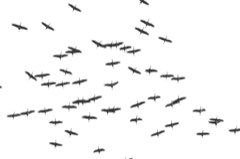 Wintering cranes at ArjuzanxWaves of cranes dropping into the flooded roost after dark, a continuous rolling chorus that carries for kilometres over the pine plantations.
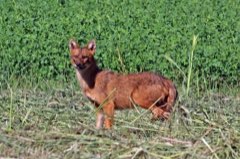 Golden jackal choruses of DalmatiaThe rising, yelping, quavering group howl of a jackal family — three or four voices climbing over each other for half a minute — answered from the next olive grove and the next, with scops owls, nightjars and crickets underneath on summer nights and silence and sea on winter ones.
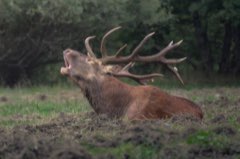 Red deer rut in the Danube floodplain, Kopački ritDozens of stags roaring across flooded willow-poplar forest and reed — over water the roars carry for kilometres and stack into a continuous chorus; splashing chases, antler clashes, wild boar grunting, night herons and geese overhead.
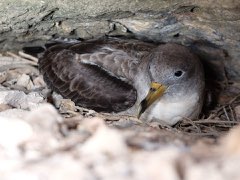 Shearwater colonies at night, Lastovo archipelagoScopoli's shearwaters wailing and cackling overhead and from burrows — the 'crying baby' chorus of Mediterranean islets; Yelkouan's higher nasal calls; waves on rock, cicadas fading at dusk.
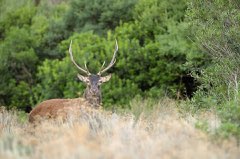 Sardinian red deer rutRoars across Mediterranean maquis (the scrub has a drier, shorter acoustic than forest), with scops owls and nightjars.
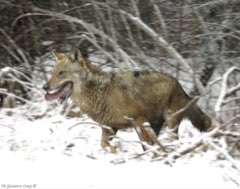 Wolf howlingChorus howls from family packs, including pups' high wavering howls, answering from across a valley.
 Cranes at Laguna de GallocantaUp to 100,000 cranes lifting off the salt lagoon at first light in a continuous trumpeting roar that lasts half an hour, then skeins bugling over the steppe villages.
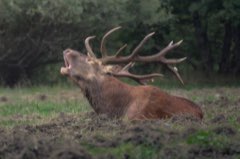 La berrea in the Cantabrian mountainsRoars bouncing off limestone walls in high beech and oak valleys — a longer, harder reverb than the southern dehesa — with wolves occasionally answering and cowbells far below.
 Wintering cranes in the Extremadura dehesaTens of thousands of cranes flying into the roosts at sunset in wave after wave, bugling in the acorn dehesa by day, with wintering lapwings, golden plovers and greylags.
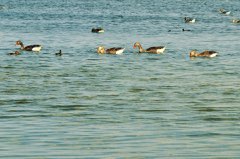 Wintering greylags at VillafáfilaWaves of greylags leaving the saline lagoons at first light in a continuous honking chorus, with great bustards grunting on the stubble and cranes overhead.
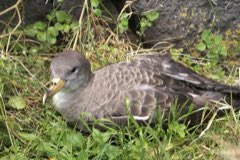 Berlengas: Cory's shearwaters calling over the island at nightHundreds of Cory's shearwaters wailing and sobbing over the island in the dark — the Atlantic's strangest chorus — with the yellow-legged gull colony grumbling, shags croaking on the ledges and the swell in the sea caves. On the mainland, the same birds raft silently off Cabo Carvoeiro at dusk.
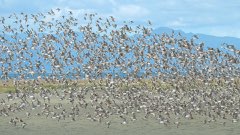 Two million waders wintering on the Banc d'ArguinA roar of wings when a roost of tens of thousands lifts, knot and godwit flocks calling on the move, flamingos and spoonbills in the shallows, and the only human sound the creak of an Imraguen lanche's sail. Night roosts murmur continuously.
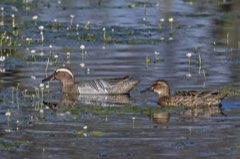 Palearctic ducks and waders wintering at DjoudjGarganey and pintail flocks in the hundreds of thousands lifting off the Grand Lac in continuous waves, whistling ducks and spur-winged geese over the pirogue, flamingo chorus in the shallows and the wing-roar of a pelican colony taking off — one of the loudest waterbird soundscapes on the whole flyway.
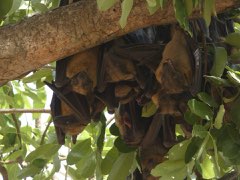 The Plateau fruit bats of Abidjan — a city-centre roost flying out to the Banco forestA shrieking, squabbling wall of sound from the big trees of the Plateau administrative district, wing-slaps and jostling, then the rush of the evening emergence over the avenues and the lagoon bridges. The return at first light is quieter and more musical — thousands of bats settling and arguing over branches above the empty Sunday streets.
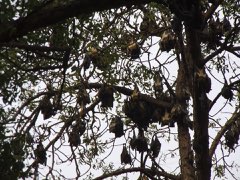 Straw-coloured fruit bat roost at 37 Military Hospital, AccraA continuous shrieking, chattering wall of sound from the roost trees over the hospital and the 37 lorry station, wing-slaps and squabbling as bats jostle, then the rushing of the evening emergence over Liberation Road. Pied crows and a few raptors work the edges.
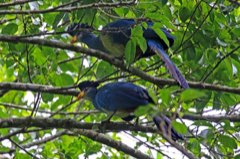 Upper Guinea rainforest dawn chorus — Kakum & AnkasaGreat blue turacos bubbling from the emergents, the far-carrying wailing of white-crested hornbills, yellow-casqued hornbills' whooshing wingbeats, chattering monkeys, cicadas switching on with the light and the screaming of tree hyrax at night.
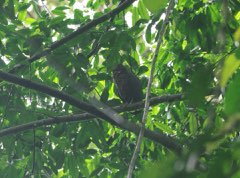 Obô forest dawn: São Tomé's endemic birds above Bom SucessoA dawn chorus made of species found nowhere else: the oriole's fluting, the thrush, the weavers' chatter, the giant sunbird's rattle from the canopy, speirops flocks; the croak of the dwarf olive ibis in the deep forest at Monte Carmo in the first light, and the scops owl's whistle after dark. Dripping forest, streams, no traffic.
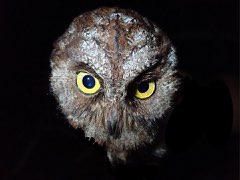 Príncipe after dark: the scops owl described in 2022, and the island's endemics at dawnA fast, insect-like 'tuu-tuu-tuu' at about one note a second, often as a duet with the female higher-pitched, from the old-growth forest of the uninhabited south — a sound nobody had named until 2022. Before dark, the island's grey parrots screaming to roost; at dawn, the thrush, the thrush-babbler, the speirops and the Príncipe sunbird in a forest with no roads.
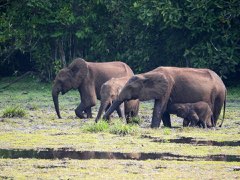 Odzala-Kokoua: forest elephants and grey parrots at Lango baiElephants blowing, splashing and rumbling in the bai's mineral pools a few metres below the deck, families greeting with trumpets and roars, grey parrot flocks whistling in to drink, forest buffalo grunting in the sedge, and a night of frogs, hyrax and distant hyena.
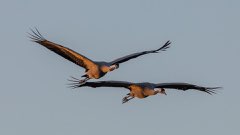 Common cranes buglingTrumpeting bugles carrying over 2 km, unison calls from pairs, and the low rolling contact calls of a roosting group in the reeds.
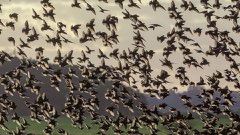 Starling murmurationsThe whoosh of tens of thousands of wings turning together, then a huge chattering as they settle into the reeds or under a pier; the dawn explosion out of the roost is even louder.
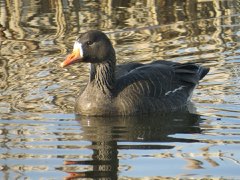 Greenland white-fronted geese on the Wexford SlobsThe high, laughing, musical yelps of thousands of white-fronts lifting off the harbour and dropping onto the fields; brent geese's low growl along the shore; whooper swan bugling; wigeon whistling; curlews over the sand flats.
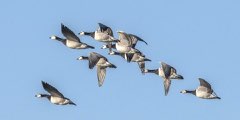 Lauwersmeer in winter: barnacle geese, wigeon and sea eaglesBarnacle geese yapping in a continuous chorus on the polder and the roar of 10,000 lifting at once; greylags and white-fronts honking in the dawn flight; wigeon whistling in the dark; eagles' yelps; the Dark Sky Park is genuinely quiet at night.
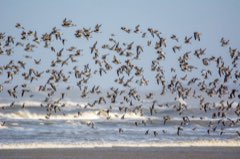 Wadden Sea high-tide wader roosts: Westhoek and the Frisian coastThe rising murmur of tens of thousands of dunlin and curlew sandpipers packed on the roost, then the rush of wings as the flock lifts and turns; curlew and grey plover calls; brent geese in autumn; wind over the flats.
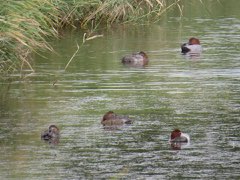 Lake Constance winter: 100,000+ waterbirds in the UnterseeMassed diving-duck rafts (wing-whistle on take-off), coot squabbles, whooper swan choruses, bean geese, gull roosts; the Untersee is shallow and calm, so sound carries across the water from the Swiss shore.
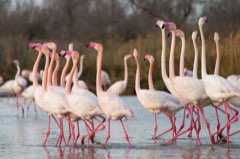 Flamingo colonies of the CamargueGoose-like honking from thousands of birds, the massed 'marching' displays, and flights of hundreds passing low over the étangs at dusk.
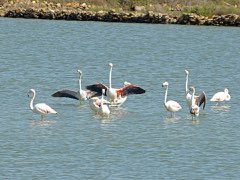 Flamingo colonies & courtshipGoose-like gabbling of big flocks, and the synchronised 'marching' displays with a constant honking.
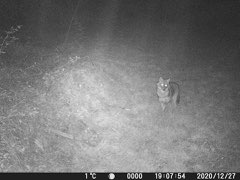 Golden jackal choruses on the KarstRising yelping group howls — faster and higher than wolves — answered by neighbouring families across the limestone plateau; the densest population in Italy.
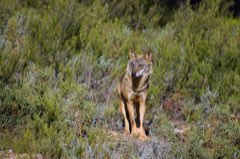 Iberian wolf howling, Sierra de la CulebraPack choruses with pups' yips across the heather-and-pine sierra, roe deer barks, and the deep quiet of one of the emptiest corners of Spain.
 Wintering waders and ducks on Merja ZergaA continuous layer of wader contact calls over the lagoon, whole flocks lifting in a rush of wings when a marsh harrier crosses, flamingo honking from the shallows, and the bark of grey herons. Boatmen's pirogues are still mostly rowed or poled inside the lagoon.
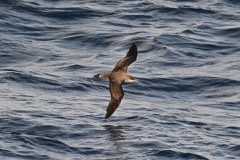 Raso and Branco — Cape Verde shearwater islets and the Raso larkA Macaronesian petrel night in the tropics: thousands of Cape Verde shearwaters wailing and cackling as they come in off the sea, the rush of wings down the canyons close overhead, geckos chirping into the small hours, tropicbird screams by day. No people, no engines, no lights.
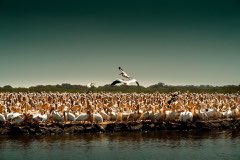 Diawling floodplain — pelicans, flamingos and Palearctic ducksPelican flotillas grunting, garganey and pintail flocks whirring off the flooded basins, flamingo chorus, and the low background of the Diama dam and the Senegal river.
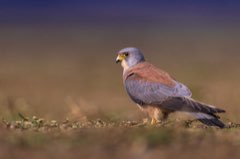 Kousmar — the world's largest lesser kestrel and scissor-tailed kite roostTens of thousands of small falcons and kites settling into a few hectares of acacias with a continuous chittering and the rush of wings, then a night of restless calling; the Saloum's mangroves and the town's calls to prayer behind.
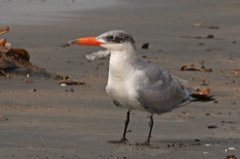 Saloum Delta — tern roosts, mangrove herons and wintering wadersThousands of terns and waders on the sandbars of the Saloum mouth, the click and hiss of mangrove at low tide (mudskippers, fiddler crabs, snapping shrimp with a hydrophone), goliath heron's bark, and pied kingfishers everywhere.
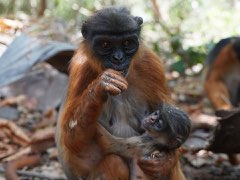 Abuko gallery forest — dawn chorus and monkeysRed colobus barks and crashing through the canopy, turacos' rolling calls, the hornbill pairs, and a full gallery-forest dawn 15 minutes from the coast hotels — the easiest West African forest chorus to reach.
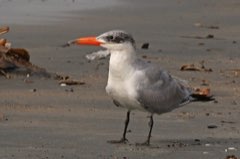 Tanji beach and the Bijol Islands — terns, gulls and the fish-landing roostA gull-and-tern roost of thousands screaming over the fish-landing beach as pirogues come in, the market crowd, the smokehouses, and across the water the Bijol colonies — The Gambia's only breeding seabirds.
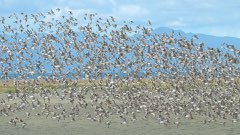 Bijagós intertidal flats — the flyway's second great wader wintering groundWhimbrel and godwit flocks calling over enormous intertidal flats with no engine noise for kilometres, tern roosts on the sandbanks, mangrove crackle at low tide, and the islands' own forest and village sounds behind.
 Cacheu mangroves — West Africa's largest continuous mangrove blockThe full mangrove soundscape — fiddler crabs, mudskippers, snapping shrimp under water, herons and kingfishers above — in channels wide enough that no village sound reaches, with crowned cranes on the rice edges.
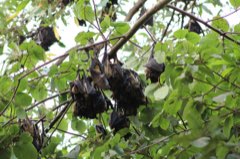 Straw-coloured fruit bats over FreetownThe squabbling, squeaking chorus of a straw-coloured fruit bat roost and the wing-rush of the dusk emergence over a city — one of the great urban wildlife sounds of West Africa, if the colony can be found.
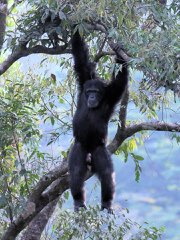 Western Area Peninsula forest — the dawn chorus above FreetownA rainforest dawn chorus 30 minutes from the capital: hornbills, turacos, greenbuls, sooty mangabey whoops, and at night the astonishing screams of tree hyrax and the pant-hoot chorus of Tacugama's 100+ rescued chimpanzees.
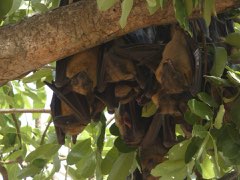 Fruit bat colony on the cliffs of Wli FallsA high, ceaseless chattering from many thousands of bats hanging on the cliff face beside the upper cascade, then the rush of wings as the colony peels off at dusk over the pool, all against the falls.
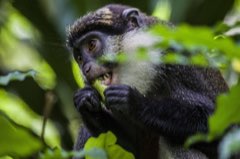 Lama forest and Lokoli swamp: red-bellied monkeys and the last forest chorus of the Dahomey GapGreat blue turacos and yellow-casqued hornbills in a 2,000 ha island of semi-deciduous forest surrounded by farmland — the fullest forest chorus in Benin — with red-bellied monkeys' soft calls in the understorey and, at Lokoli, a swamp forest of frogs, kingfishers and dripping trees from a dugout.
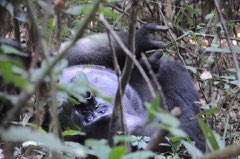 Ngaga: habituated western lowland gorillas in the marantaceae forestChest-beats, hoots and the crashing of a silverback's display in dense marantaceae, the soft grunting and belching of a feeding family a few metres away, monkeys overhead and a night of tree hyrax and frogs from the camp's raised rooms.
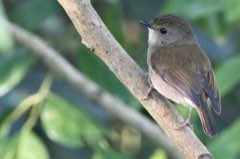 Kumbira forest: the Gabela endemics at dawnRed-crested turacos croaking through the coffee-forest canopy, the loud, ringing calls of Monteiro's and Gabela bushshrikes, the akalat's thin song in the understorey — a set of species found nowhere else on earth — with farm cocks, goats and the Conda road in the background.
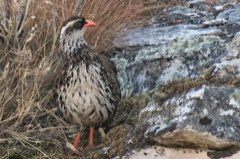 Mount Moco: Swierstra's francolin and the Afromontane forestThe loud, rasping crow of Swierstra's francolin — Angola's most wanted bird — from the remnant forest patches at dawn, sunbirds and batises in the trees, and the wind over montane grassland at 2,400 m with a village waking far below.
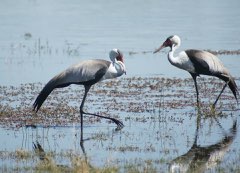 Okavango headwaters: the Cuito source lakes and the CuandoOne of the least-recorded soundscapes in Africa: hippos and Pel's fishing owl on the Cuito, frog choruses on peat-edged source lakes, wattled cranes over the floodplains, the miombo dawn with its cuckoos and barbets, and no engine for days.
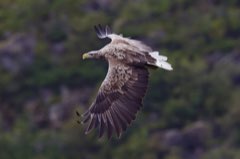 White-tailed eagles: Smøla, Lofoten and the TrollfjordThe eagle's yelping 'klee-klee-klee' duet from a nest crag, wing-rush of a 2.4 m bird taking a fish 10 m from the boat, gull and tern colonies, otters whistling in the skerries.
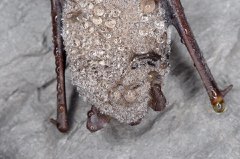 Bat hibernacula in the Mønsted and Daugbjerg limestone minesAudible squeaks and wing-flutter of hundreds of Myotis swarming at the entrances; on a detector, dense FM sweeps and social calls; tawny owls in the beech above; otherwise rural silence.
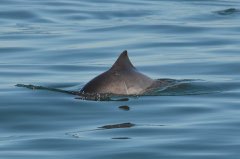 Harbour porpoises in the Little BeltPorpoises are silent to the ear (their clicks are at 130 kHz) — a hydrophone with a wideband recorder gets the click trains; audibly, the sharp puff of a surfacing blow a few metres off the rocks at Røjle Klint, and the Old Little Belt Bridge traffic.
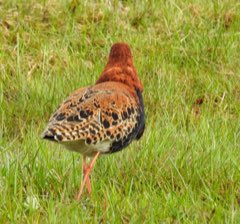 Tipperne: wader passage on Ringkøbing FjordWader flocks calling over the wet meadows, godwit and lapwing display in spring, avocets, geese lifting in autumn, the fjord's chop on the western dyke; almost no traffic.
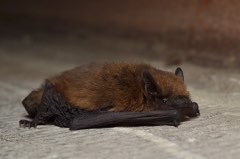 Bat emergence & autumn swarmingMostly ultrasonic: echolocation and feeding buzzes, social calls. Noctule social calls and some horseshoe calls are partly audible.
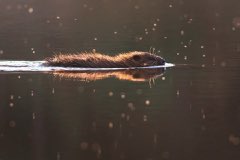 Biesbosch beavers at duskA beaver's tail slap, gnawing on willow, the push of its wake in a still creek; reed warblers and cuckoos at dusk in May; the murmur of thousands of geese and ducks settling on the open water at night; ospreys calling in spring.
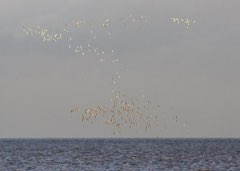 The Zwin: wader passage, ringing season and the stork colonyBill-clattering of storks greeting at the nest; dunlin and redshank flocks over the salt marsh at the top of the tide; curlews; the sea behind the dunes; in autumn a steady trickle of migrating pipits and finches over the dike.
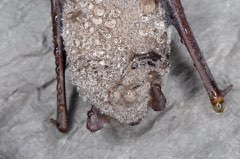 Autumn bat swarming at the Segeberg Kalkberg caveAudible chatter and wing-flutter of hundreds of Myotis circling the cave mouth; on a full-spectrum detector, dense FM sweeps and social calls — one of the busiest bat soundscapes in northern Europe.
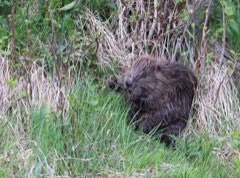 Elbe beavers at dusk, MittelelbeTail-slaps, gnawing on willow at water level, kits whining inside the lodge, splashy feeding; with a hydrophone the gnawing and the underwater entries are excellent; oriole, nightingale and marsh frogs at the same hour.
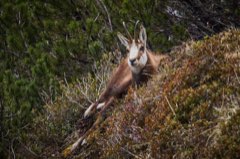 Marmots, ibex and chamois in the Berchtesgaden AlpsMarmot whistles echoing off the Watzmann east face, chough flocks, chamois sneezes, ptarmigan on the Steinernes Meer plateau, golden eagle; cowbells on the alpine pastures; in autumn, roaring stags in the Klausbachtal.
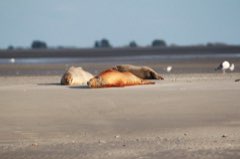 Baie de Somme: harbour seals & wader roostsSeal pups bawling and adults grunting from the sandbanks at 300 m, oystercatcher and curlew roosts, and spoonbills clattering in the Marquenterre heronry.
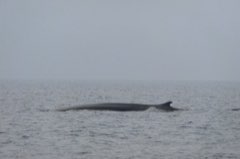 Fin whales & sperm whales off the Côte d'AzurWith a hydrophone: sperm whale clicks and codas, striped dolphin whistles and the shipping lane behind. Fin whale 20 Hz pulses need a hydrophone with real LF extension.
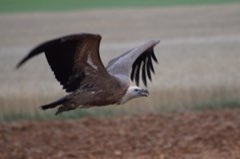 Vulture cliffs of the Jonte, Verdon and OssauWing-rush of griffons passing a few metres over the rim, hissing and grunting from the colony ledges, chough flocks and the river below; more a sight than a sound.
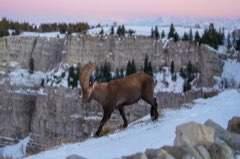 Alpine ibex, chamois and marmotsIbex horn-clashes in the December rut, hoof-clatter on rock, chamois alarm hisses, marmot whistles echoing, chough flocks, water pipit; the wind.
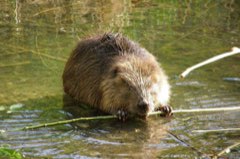 Beavers by boat at dusk, Donau-AuenTail-slaps, gnawing on willow, kits whining in the lodge, surface swims and dives; frogs and night herons; the Danube.
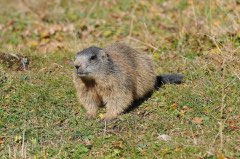 Marmots, ibex and vultures, Hohe TauernMarmot alarm whistles bouncing between glacier-polished walls, chough flocks, ibex hoof-clatter, the wing-rush of a griffon passing at 20 m, ptarmigan; glacier streams and cowbells below.
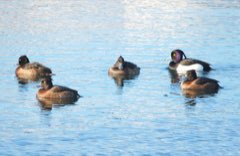 Rhine delta on Lake Constance: migration and winter raftsDiving-duck rafts and wing-whistle, coot, whooper swans, gull roosts, curlew and godwit on the shallows in autumn; reed warblers and bittern in spring; the lake's fetch.
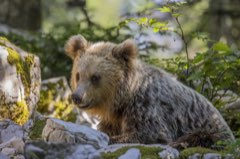 Brown bears from forest hides, KočevskoBears are mostly quiet: heavy footfalls in beech litter, sniffing, huffing and jaw-popping when nervous, cubs squalling, mating-season moans; the surrounding evening chorus (wood warbler, Ural owl at dusk, red deer) is the real soundscape.
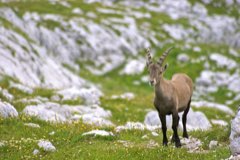 Marmots, ibex and chamois in the Julian AlpsMarmot alarm whistles echoing off limestone walls, chough flocks, ptarmigan croaking above the treeline, chamois hissing alarm sneezes; in autumn the roar of red deer from the valleys below.
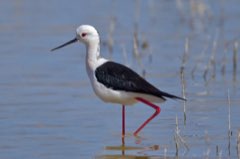 Waders and terns on the Sečovlje salt pansLittle tern colonies screaming over the pans, stilts and avocets yelping, redshank and Kentish plover, reed warblers in the Dragonja channel; salt-worker rakes and the sea beyond the dyke.
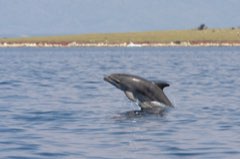 Bottlenose dolphins of the Kvarnerić, LošinjWith a hydrophone: whistles, echolocation click trains and burst-pulse squawks; above water, blows and tail-slaps; unfortunately also every outboard within 10 km.
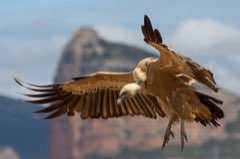 Griffon cliffs: Hoces del Duratón, Hoces del Riaza and MonfragüeA griffon colony settling at dusk is a surprisingly loud thing: hisses, grunts and cackles from hundreds of birds squabbling over ledges, the rush of wings passing at head height, choughs and alpine swifts along the wall and, after dark in winter, eagle owls hooting across the gorge.
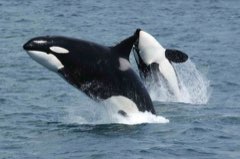 Orcas hunting bluefin tuna in the StraitWith a hydrophone: orca calls and echolocation, pilot whale whistles, and the tuna-boat engines they hunt around. Above water: blows, and the shouts from the fishing boats.
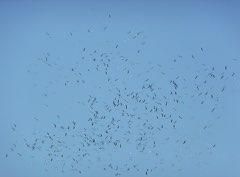 Strait of Gibraltar: raptor & stork passageMostly visual — kettles of thousands — but bee-eater flocks pour over calling all day, honey buzzards pass at head height in a levante, and the stork pre-roost at Los Lances is a bill-clattering crowd.
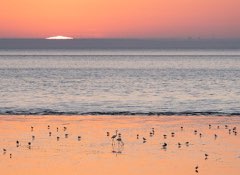 Tagus estuary in winter: flamingos, avocets and 100,000 waterbirdsFlamingo flocks honking as they move between the estuary and the Lezíria rice fields, avocet and godwit roosts chattering on the salinas at high tide, teal whistling on the lagoons and the great winter silence of the open marsh broken by hunters' shots outside the reserve.
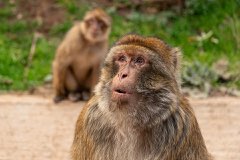 Barbary macaque troops in the Middle Atlas cedar forestBarks, screams and the soft 'ooh' contact grunts of a troop moving through 30 m Atlas cedars, chest-thumping squabbles in the mating season, with Levaillant's woodpecker, firecrest and nuthatch in the canopy and wind in the cedars.
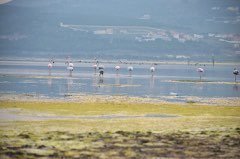 Marchica lagoon, the Moulouya mouth and the Mohammed V reservoir — the Mediterranean east in winterFlamingo honking across a lagoon the size of a city, wigeon whistling, shelduck, the bugling of common cranes at the Mohammed V shore at dusk, and in spring a booming bittern and avocet colony clamour at the Moulouya mouth. Nador's traffic and the fishermen's outboards are the backdrop; the Moulouya is quieter.
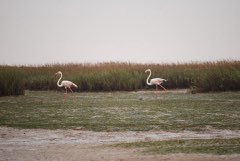 Saharan lagoons — Khnifiss and Dakhla Bay in winterFlamingo honking in the hundreds across a lagoon with no other sound at all, wader flocks lifting, the rattle of royal and Caspian terns, and on Dakhla Bay the blow of a humpback dolphin close to shore.
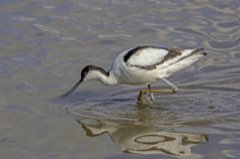 Sidi Moussa–Oualidia lagoons — 10,000 waders, flamingos and the salt-pan roostsAvocet and stilt yelping over the salt pans, godwit and dunlin flocks whirring up at each marsh harrier, flamingo honking from the lagoon, slender-billed gulls — against surf on the dune bar and the oyster farms' outboards.
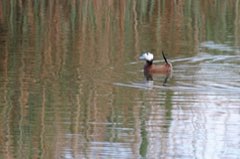 White-headed ducks and marbled teal wintering on Lac Sidi BoughabaCoots, moorhens and purple swamphens whooping and grunting from the reeds at dusk, the growl of little grebes, marbled teal's thin whistles, and the only reliable Moroccan chorus of white-headed duck display rattles in late winter. Marsh owl wing-beats and barks over the northern reeds after dark.
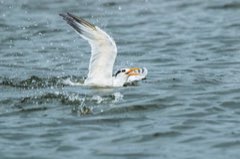 Baie du Lévrier — 37,000 gulls, terns and waders in Nouadhibou's bayA big gull and tern roost — royal and Caspian tern screams, slender-billed and Audouin's gulls, knot and godwit flocks — beside one of West Africa's busiest fishing ports; the iron-ore train and the harbour are the backdrop, the Baie de l'Étoile north of town is the quiet, dolphin-haunted end.
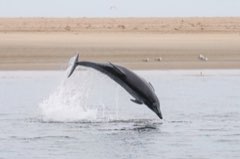 Imraguen mullet fishing with dolphins, Banc d'ArguinMen slapping the surface with sticks to call the dolphins, the dolphins' blows as they drive the shoal into the shallows, and the whole village on the beach hauling nets. Rare now — most mullet are taken by lanche — so ask in the village whether a beach net is planned.
 Somone lagoon — pelicans, flamingos and the sandbank roost on the Petite CôtePelican wings and bill-clapping as the flock lands, tern and gull roost clamour, flamingo honks, spoonbills and herons in the mangrove, osprey whistles — small-scale next to the Saloum but the closest proper lagoon roost to the Saly resorts, and quiet at dawn before the jet-skis.
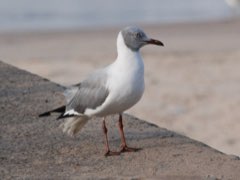 Tanbi wetlands and the Bund Road lagoons — Banjul's wader, gull and egret roostsA roost at the city's edge: the squabble of two or three hundred grey-headed gulls on the sand island, royal tern screams, whimbrel and godwit calls off the mud, and at dusk the wing-rush and grunting of thousands of cattle egrets dropping into the Cape Creek mangroves — all under Banjul's traffic, the ferry horn and the Friday mosque.
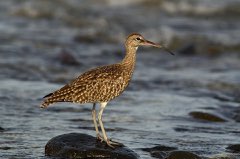 Tristão islands and the Rio Nunez estuary — waders, terns and mangroveWader and tern roosts on mangrove-fringed sandbanks at the southern end of the Bijagós system, with the mangrove's own crackle and the villages' fishing pirogues.
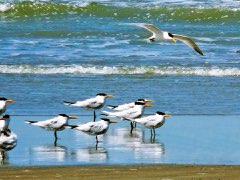 Sherbro and the Turtle Islands — terns, waders and turtle beachesTern and wader roosts on white sandbanks between eight Sherbro-speaking fishing islands, surf, and the villages' evening singing; dolphins in the channels.
 Sierra Leone River estuary and Yawri Bay — wintering waders on Freetown's doorstepWader and tern roosts on the mudflats of one of West Africa's biggest estuaries, with mangrove crackle, pelicans and the constant boat traffic of Freetown's harbour.
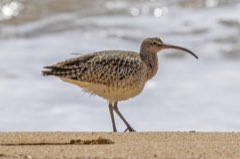 Lake Piso — wintering waders, terns and the mangrove lagoonTern and wader roosts on the bar where the lagoon meets the Atlantic, mangrove creek sound in the northern arms, surf on Robertsport's beaches and, at night, fruit bats and frogs from the forested shore.
 Marshall and Mesurado wetlands — Monrovia's mangrove roostsThousands of egrets and herons settling into mangrove roosts on the edge of the capital, waders on the Marshall bar, mangrove crackle, and from the Farmington river islands the pant-hoots of the rescued chimpanzee colonies at dusk.
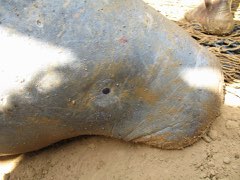 Azagny: manatees, Palearctic waders and the lagoon canalA quiet lagoon soundscape: whimbrel and greenshank calls across the flats, herons and darters from the mangroves, kingfishers along the canal and, if you are lucky, the soft blow of a manatee surfacing at dusk.
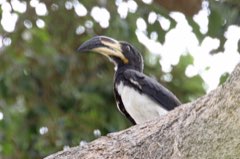 Banco forest dawn chorus inside AbidjanA relict rainforest chorus — greenbuls, cuckoos, hornbills and monkeys — with the Abidjan motorway as a constant low bed. Useful as a first morning in the country and as a way of understanding what the forest belt sounded like.
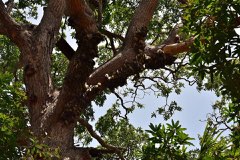 Îles Ehotilé: fruit bats, waterbirds and mangrove lagoonFruit bats chattering on the roost islands and rushing out over the water at dusk, egret colonies bickering as they settle, terns and whimbrel over the flats, and dugout paddles in a mangrove-lined lagoon.
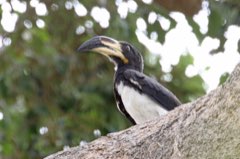 Forest dawn and butterflies around KpaliméThe fullest forest chorus in Togo — hornbills, cuckoos and greenbuls in the Klouto hills — with village cocks, cocoa farmers and the occasional motorbike.
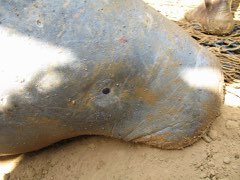 Bouche du Roy: mangroves, manatees and the Mono estuaryA mangrove soundscape: kingfishers and herons, mudskippers popping at low water, whimbrel and terns on the sand at the river mouth, and, rarely, the blow of a manatee in a still channel.
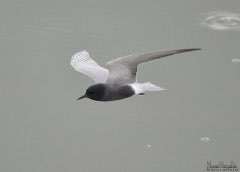 Waterbirds of Lake Nokoué and GanviéBlack terns and whiskered terns calling over the fish-parks, egrets and herons settling at dusk, jacanas on the lily beds and the paddle-and-pole sounds of a stilt town of 30,000 people.
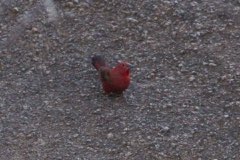 Amurum Forest and the Jos Plateau: rock-fig dawn and wet-season songA plateau soundscape at 1,200 m: rock firefinches and indigobirds among the boulders, sunbirds in the gallery forest, cisticolas over the grassland, with Jos's mosques and traffic far below on still mornings.
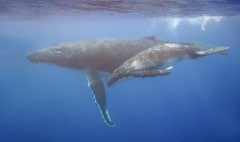 Humpback mothers and calves off São Tomé and PríncipeBlows, tail-slaps and the slap of a breach carry over a flat sea; a hydrophone from a drifting boat in September finds singing males at depth. From the headlands it is a visual spectacle against the surf; the islands are quiet enough that a blow is heard from the cliff on a still evening.
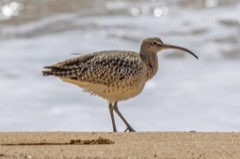 Akanda and the Mondah bay flats: Gabon's wader wintering ground on Libreville's doorstepThe massed calls of stints and sandpipers lifting off the flats as the tide comes in, whimbrel and godwit over the mangroves, tern colonies shrieking on the sandbank; behind it the drip and click of the mangrove at low water and mangabeys crashing in the Rhizophora.
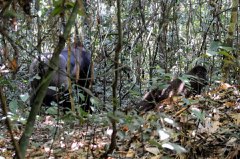 Lésio-Louna: rewilded gorillas and the Batéké plateauGorillas calling and feeding on the river islands seen from a pirogue, the wide, wind-swept quiet of the Batéké plateau at dawn with larks and cisticolas, and at night frogs and nightjars along the gallery forests.
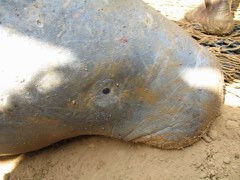 Mangroves of the Congo mouth: manatees, turtle beaches and the only marine park in the DRCA mangrove dawn: the drip and click of the Rhizophora at low water, kingfishers, herons, fish eagles, the blow of a manatee surfacing in a side channel (a short, sharp exhalation, easy to miss), hippos grunting in the back creeks; at night on the beach, surf and a nesting ridley's scraping — and the Congo's current audible against the sandbanks at Banana.
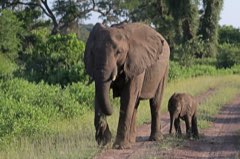 Kissama (Quiçama): elephants and the Cuanza riverElephants on the Cuanza floodplain, hippos grunting from the river at dusk, fish eagles, and the coastal savanna's dawn of francolins, hornbills and doves — with the fog of the cacimbo damping everything until mid-morning.
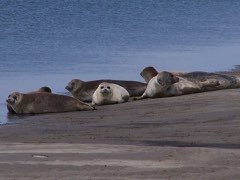 Seals at Hvide Sande and on the Wadden Sea sandbanksHarbour seals are quiet — snorts, splashes, pups bleating on a haul-out; grey seal bulls moaning and roaring in winter; with a hydrophone, seal vocalisations and the tide; oystercatchers and the surf.
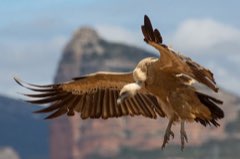 Griffon vultures on the sea cliffs of CresHissing and grunting at the ledges, the wind-rip of 2.7 m wings passing low over a boat, chick begging; shags and yellow-legged gulls beneath, cicadas and scops owl in the maquis behind.
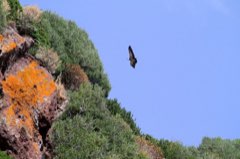 Griffon vultures of the Bosa coast, SardiniaMostly visual: Italy's largest griffon colony riding the updraughts of volcanic sea cliffs. Sound is the Mediterranean swell under the cliffs, the wing-rush of birds passing close, hissing at the ledges, blue rock thrush and, in summer, Eleonora's falcons chattering along the coast.
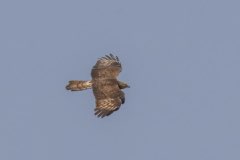 Raptor migration: Strait of MessinaMostly visual — kettles of raptors — but also bee-eater flocks overhead, and swifts and hirundines passing.
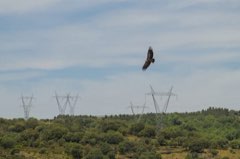 Douro Internacional: griffon and Egyptian vultures on the canyon wallsMostly visual, but the canyon is a natural reverb chamber: griffon wing-rush as they pass the viewpoint at eye level, hissing and grunting at the nests carrying across the gorge, alpine swifts screaming along the walls, blue rock thrush and the river far below.
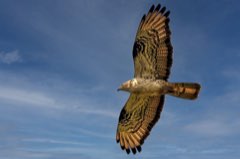 The Rock: soaring birds crossing the Strait over GibraltarA sight more than a sound: kettles of honey buzzards sliding off the Rock towards Africa, black kites in lines, storks clattering overhead in spring; the soundscape is the Levanter wind, the foghorn at Europa Point, yellow-legged gulls and the port. Barbary partridge calls at dawn on the Upper Rock.
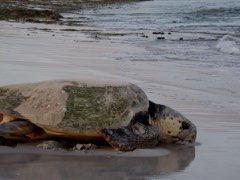 Loggerhead turtles nesting on Boa Vista, Sal and MaioMostly a visual and tactile night: the rasp and thump of a 100 kg female digging, sand flung against her shell, the long sighing breaths as she lays, then the surf. Hatchling nights add a faint rustle as a hundred animals break the surface together. The beaches are dark, empty and wind-blown.
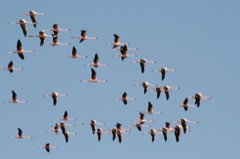 Technopole — Dakar's urban wetland roostWader and stilt calls over rain-fed lakes ringed by the Pikine suburbs; more a sighting spectacle, but the heron roost at dusk is loud.
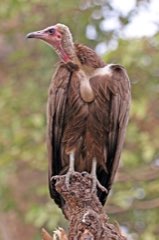 Hooded vultures of the Kombo coast — Africa's densest population at the fish beaches and abattoirsMostly silent birds in enormous numbers: the hiss and thin squealing at a carcass or fish-gut pile, the clatter of 200 pairs of wings lifting at once when a dog runs through, the thud of landings in the kapok roost at dusk. The real soundscape is the fish beach itself — pirogue crews, drying racks, gulls, kites and the vultures' shuffle. A phenomenon that no longer exists anywhere else in the species' range.
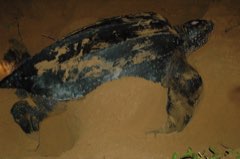 Sea turtle nesting on Liberia's beachesA leatherback's long sighing breaths and flippers throwing sand on an empty Atlantic beach with surf and, behind, the forest's night — a sighting spectacle first, but the breathing of a two-metre animal beside you is a sound to keep.
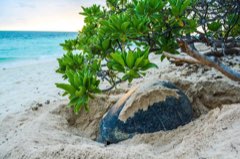 Sea turtles nesting at Grand-BérébyMostly a sight, but the sound is worth having: the heavy breathing and sand-throwing of a leatherback digging, flippers slapping wet sand, and the surf of the Gulf of Guinea behind it.
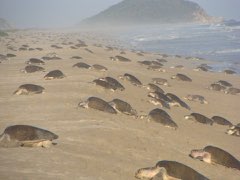 Sea turtles on the Togo coastA sighting more than a sound: the heavy breathing and sand-scraping of a nesting female against the surf, and the patrol team's low talk.
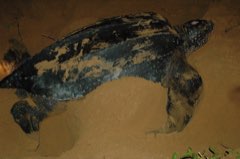 Sea turtles nesting at Grand-Popo and OuidahA sight more than a sound, but with a close mic: sand thrown by a leatherback's flippers, the deep exhalations of a nesting female, and the Bight of Benin surf behind.
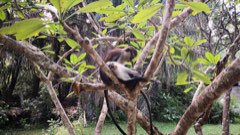 Lekki Conservation Centre: mona monkeys and swamp-forest birds in LagosMona monkeys' calls and crashes in the swamp forest, weavers and kingfishers along the boardwalk, and the Lekki–Epe expressway as a constant bed. A place to test rigs and get a first Nigerian forest recording, not a wilderness.
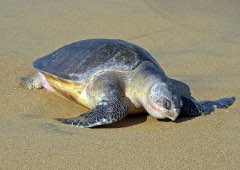 Sea turtles at Ebodjé and the Campo Ma'an coastA visual event with a good close-mic moment: the digging and heavy breathing of a nesting turtle against the surf; behind the beach the Campo Ma'an forest at night.
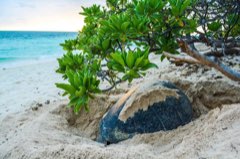 Turtle nights on São Tomé — Praia Jalé, Praia Inhame and Morro PeixeSurf on a black-sand beach, the scrape and thrown sand of a green turtle digging, her breathing, and the forest behind the beach: São Tomé scops owl, frogs, the squeak of fruit bats in the coconut palms. Quiet beaches without engine noise — the south is the end of the road.
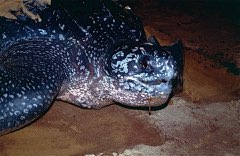 Leatherback nesting from Pongara to Mayumba — Gabon's turtle coastA leatherback digging is a slow, heavy scrape and the hiss of thrown sand, with deep sighing breaths — audible from 20 m on a still night between sets of surf. Otherwise the night is surf, the odd nightjar and, at Pongara, hippos and elephants in the forest behind the beach.
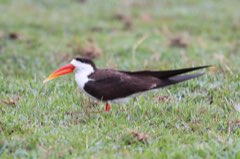 Brazzaville: the Congo river and the Djoué at dawnNot a spectacle but a way in: the Congo river's rapids below the city, kingfishers and herons at the Djoué mouth, weaver colonies in the riverside trees, and the two capitals' noise across the water.
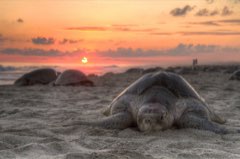 Olive ridley nesting on the Angolan coast — the Atlantic's largest populationA sighting with a close-mic moment: the scraping and heavy breathing of a nesting ridley — a small turtle, a quick nest — against the Atlantic surf, and the Kitabanga patrol's low voices.
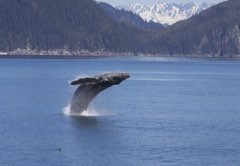 Fin and humpback whales from the south-coast headlandsFrom the cliffs: surf, gulls, choughs and the wind; on the calmest days a distant blow can be heard. The whales are a visual event; underwater sound needs a boat and a hydrophone.
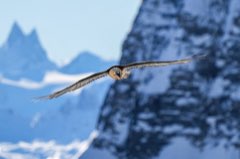 Bearded vultures and golden eagles of the EngadinSilence and wind — the recording is of the alpine air, chough flocks, marmots and the occasional whoosh of a 2.8 m wingspan overhead; the visual spectacle is the point.
October, country by country
Norway · Sweden · Denmark · United Kingdom · Germany · France · Austria · Slovenia · Italy · Spain · Portugal · Morocco · Senegal · Ghana · Angola