
Waders and terns on the Sečovlje salt pans
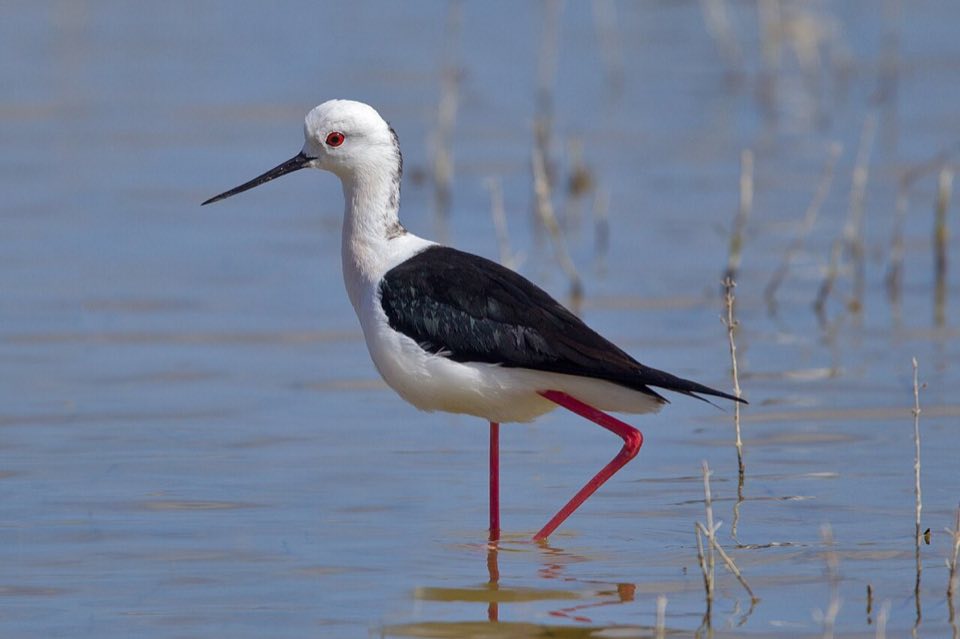
Little tern, Kentish plover, avocet, black-winged stilt, redshank, curlew sandpiper and other passage waders; flamingos increasingly. Sečovlje Salina Nature Park, Piran coast, Slovenia.
Best time: 15 Apr – 20 May and 25 Jul – 30 Sep (April to May, July to September). Where: Škocjanski zatok Nature Reserve, Koper (DOPPS), Lera (active salt pans, visitor centre), Fontanigge (abandoned pans, Salt-making museum) (Slovenia). Time of day: Park opens 07:00/08:00 depending on season (check) and closes at dusk.
- Partly on your own
- Low cost
- Binoculars essential
- Sound 3/5
Open it in the interactive calendarSunrise and sunset listening times for the day you pick, and the map.
When is the best time?
- Peak 1: 15 Apr – 20 May — Mid April to 20 May: spring passage plus tern and plover colonies
- Peak 2: 25 Jul – 30 Sep — Late July to September: autumn wader passage on the drained pans
Active from 15 Mar to 31 Oct (March to October) in a typical year.
Time of day
Park opens 07:00/08:00 depending on season (check) and closes at dusk; the first 3 h after opening on a weekday are the window, before the sea breeze builds by 11:00 and the airfield wakes. No night access.
- Morning after opening: 08:00 → 11:00
What will you hear?
Little tern colonies screaming over the pans, stilts and avocets yelping, redshank and Kentish plover, reed warblers in the Dragonja channel; salt-worker rakes and the sea beyond the dyke.
Binoculars?
Binoculars essential. Roped-off colonies and waders on open pans 100–300 m from the dykes; binoculars needed, a scope pays.
Where to go
- Škocjanski zatok Nature Reserve, Koper (DOPPS) — Brackish lagoon and freshwater marsh on the edge of Koper, run by DOPPS/BirdLife Slovenia: hides and a central observation tower, visitor centre closed Mondays, reserve open from 07:00; free. Map
- Lera (active salt pans, visitor centre) — Northern part, entrance from Seča. Breeding terns and plovers on the pan dykes. Map
- Fontanigge (abandoned pans, Salt-making museum) — Southern part along the Dragonja; larger, wilder, entrance from the Croatian border road. Map
- Škocjanski zatok nature reserve, Koper (DOPPS) — Brackish lagoon 20 km north; hides, avocet and tern colonies, bittern; the port of Koper is audible. Map
How to go on your own, and what it costs
Sečovlje Salina is fenced with a ticket and fixed hours (Lera 07:00–19:00 in spring, 07:00–21:00 in summer; entrance from Seča): walk the dykes on your own by day, colonies roped off. No night access; the closed areas are only visited on the park's 3-hour birdwatching programme (max 12). Škocjanski zatok (Koper): DOPPS reserve with hides, free.
Cost: Sečovlje Salina €7 adult April–Oct, €6 Nov–March (2026); Škocjanski zatok free.
Free or no-guide alternative: Škocjanski zatok in Koper is free: DOPPS hides and trails around the brackish lagoon with avocet, stilt and tern colonies, 20 minutes' walk from Koper station.
Who runs access
- Sečovlje Salina Nature Park – birdwatching with an expert (park authority) — 3-hour guided programme into the closed pans, max 12 people.
Field-recording notes
The pans sit between the Portorož airfield (light aircraft in summer), the coast road and the Croatian border crossing at Sečovlje — work early on a weekday. The Adriatic sea breeze builds by 11:00. Colonies of little tern and Kentish plover are roped off; stay on dykes. The park is fenced with fixed opening hours, so no night access — book the 3-hour birdwatching programme (max 12) for the closed areas. Salt harvest June–September adds human sound that is itself worth recording.
Sources
- Source for Škocjanski zatok Nature Reserve, Koper (DOPPS)
- Sečovlje Salina Nature Park – visiting
- KPSS – birdwatching with an expert
- DOPPS – Škocjanski zatok
Similar spectacles
 Spring crane staging: Hornborgasjön and PulkenThousands of cranes bugling in chorus — trumpeting that carries for kilometres, rising to a roar when a flock lifts; unison calls of pairs, wing noise of landing flocks, whooper swans and lapwings in the background.
 Wadden Sea autumn: millions of waders and geeseKnot and dunlin flocks in the tens of thousands wheeling with a rushing wing-roar, curlew and godwit calls at the roost, brent geese growling, barnacle geese yapping; wind, surf and the tide-edge trickle.
 Autumn migration at Lista, Jomfruland and UtsiraDawn flight calls of thousands of thrushes, pipits and finches leaving the coast, waders on the Lista beaches, skuas and gannets passing the lighthouse in a westerly gale; at night, redwing and song thrush calls overhead.
 Falsterbo: Scandinavia's autumn migration funnelA continuous stream of flight calls at dawn — chaffinch, brambling, meadow pipit, yellow wagtail, siskin — thousands of birds an hour on a big day; cranes bugling high overhead in late Sept–Oct; the sea on both sides of the point.
 Gedser Odde: autumn migration off Denmark's southern tipRivers of chaffinch and brambling calls over the car park on a big October morning, wood pigeons' wing-clatter, eider flocks crooning as they round the point, little gulls' chatter, the Fehmarn Belt surf; the station's own sound recorder (PUC) logs the night migration overhead.
 Snettisham wader spectacularTens of thousands of knot flying in smoky clouds with a roaring wing-rush, then a low twittering murmur as they pack onto the roost banks.
More: all spectacles in Slovenia · bird migration hotspots · Slovenia in April · Slovenia in May · Slovenia in July · Slovenia in August · Slovenia in September