
Palearctic waders and terns on Lake Togo and the Aného lagoons
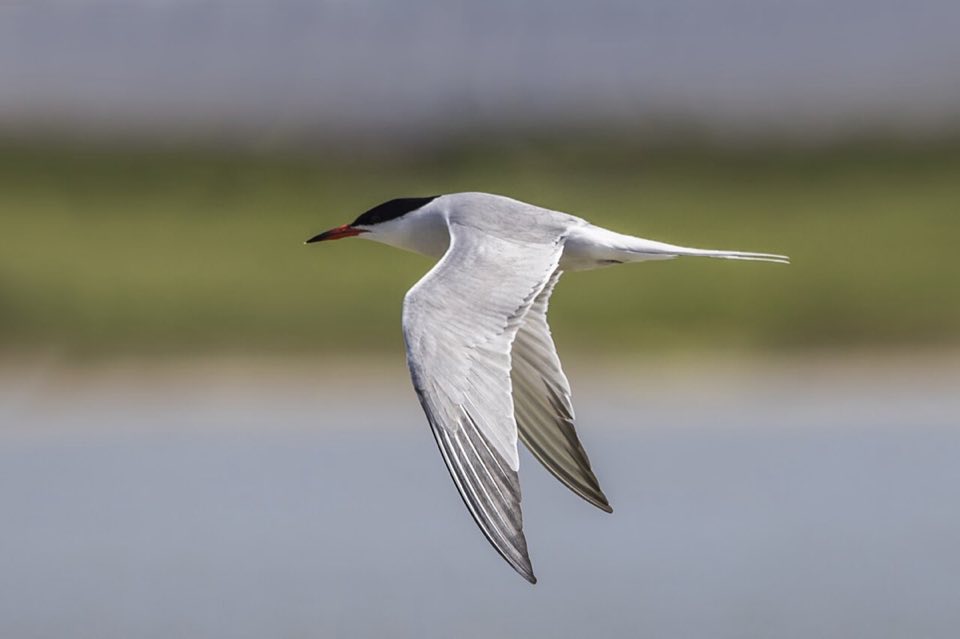
Common, sandwich and royal terns, black tern; whimbrel, greenshank, common sandpiper, ringed plover, little stint; herons and egrets; white-faced whistling duck. Zones humides du littoral (Ramsar), Maritime Region, Togo.
Best time: 1 Oct – 28 Feb (October to February). Where: Togoville – Lake Togo shore and mangroves, Aného – lagoon mouth and sandbars, Agbodrafo – lakeside landing (Togo). Time of day: Boats and shorelines from sunrise to mid-morning.
- You can go on your own
- Free
- Binoculars essential
- Sound 3/5
Open it in the interactive calendarSunrise and sunset listening times for the day you pick, and the map.
When is the best time?
Peak: 1 Oct – 28 Feb. October to February: the wintering flocks are settled and the lagoon is at its calmest
Active from 1 Sep to 15 Apr (September to April) in a typical year.
Time of day
Boats and shorelines from sunrise to mid-morning; tern roosts on the sandbars settle in the last hour of daylight
- Waders: sunrise → 10:00
- Tern roost: 1 h before sunset → last light
Depends on the tide: best around low tide. Check local tide tables.
What will you hear?
Terns screaming over the sandbars at Aného where the lagoon meets the sea, whimbrel and greenshank from the flats, egrets settling in the mangroves at Togoville, and the pirogues of the fishing villages.
Binoculars?
Binoculars essential. Terns and waders on the Aného sandbars and lake flats at 100–300 m; binoculars needed, scope helps.
Where to go
- Togoville – Lake Togo shore and mangroves — Pirogue crossings from Agbodrafo; small egret and heron roosts in the shoreline mangroves. Map
- Aného – lagoon mouth and sandbars — Where the lagoon system breaches to the sea (seasonally); the main tern roost. Map
- Agbodrafo – lakeside landing — Base for boat hire on the lake; quieter than Lomé. Map
How to go on your own, and what it costs
Public shorelines: taxi or minibus from Lomé to Agbodrafo, Togoville (by pirogue) or Aného; walk the shore and the lagoon mouth sandbars. No permit.
Cost: Free; pirogue crossings and boat hire negotiable, check current prices.
Field-recording notes
A working lagoon: outboard pirogues, fish-landing and the coastal highway on the southern shore. The northern shore around Togoville and the mangrove creeks are the quiet side. Ramsar site but no formal reserve infrastructure or entry fees; local boatmen are the guides. Numbers are regionally rather than globally important, so this is a sequence for a coastal migration story rather than a spectacle in itself. Wader counts are highest at low water, which on the lagoon follows the rains more than the tide.
Sources
- Zones Humides du Littoral du Togo (Wikipedia)
- Togo names two more Ramsar sites – Convention on Wetlands
Similar spectacles
 Crane autumn staging: Rügen-Bock, Linum, Diepholz, MüritzWaves of trumpeting families flying in at dusk, the roost's night-long murmur over shallow water, dawn's mass departure with tens of thousands calling at once; greylag and white-fronted geese in the same flights.
 Wadden Sea autumn: millions of waders and geeseKnot and dunlin flocks in the tens of thousands wheeling with a rushing wing-roar, curlew and godwit calls at the roost, brent geese growling, barnacle geese yapping; wind, surf and the tide-edge trickle.
 Cranes at Lac du DerTens of thousands of cranes bugling as they leave the lake at first light in wave after wave, then the evening return with the sky full of trumpeting skeins.
 Cranes at Laguna de GallocantaUp to 100,000 cranes lifting off the salt lagoon at first light in a continuous trumpeting roar that lasts half an hour, then skeins bugling over the steppe villages.
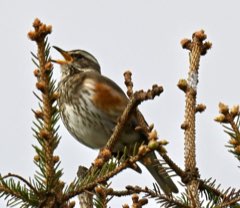 Autumn migration at Lista, Jomfruland and UtsiraDawn flight calls of thousands of thrushes, pipits and finches leaving the coast, waders on the Lista beaches, skuas and gannets passing the lighthouse in a westerly gale; at night, redwing and song thrush calls overhead.
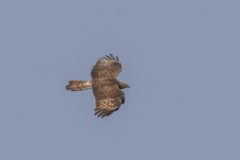 Falsterbo: Scandinavia's autumn migration funnelA continuous stream of flight calls at dawn — chaffinch, brambling, meadow pipit, yellow wagtail, siskin — thousands of birds an hour on a big day; cranes bugling high overhead in late Sept–Oct; the sea on both sides of the point.
More: all spectacles in Togo · bird migration hotspots · Togo in January · Togo in February · October · Togo in November · Togo in December