
Obô forest dawn: São Tomé's endemic birds above Bom Sucesso
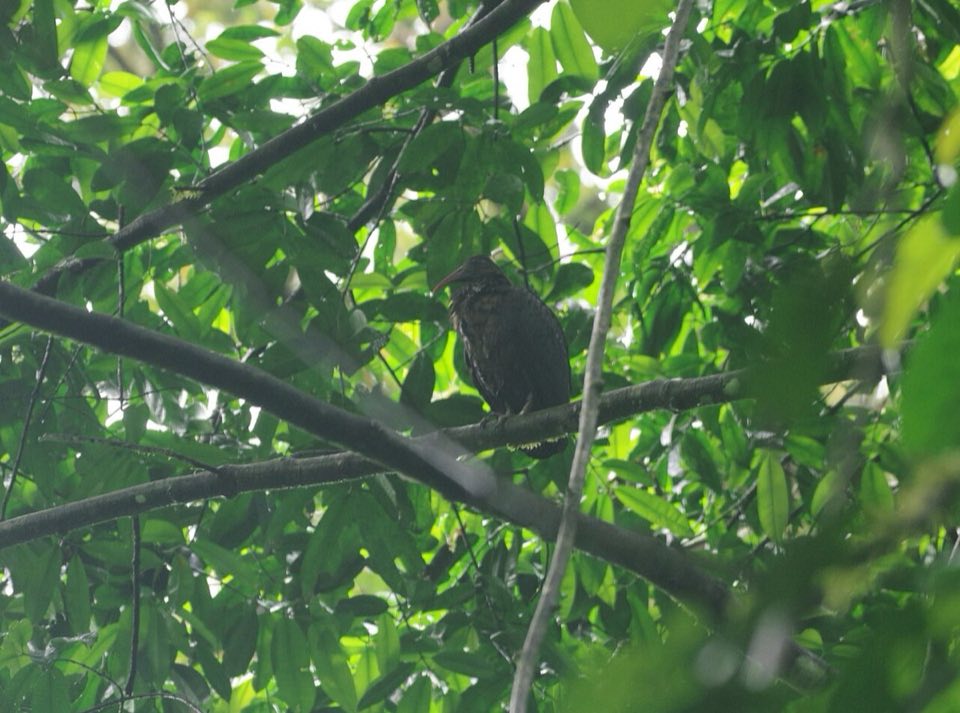
São Tomé ibis / dwarf olive ibis (Bostrychia bocagei), giant sunbird, São Tomé grosbeak, São Tomé fiscal, São Tomé short-tail, giant weaver, São Tomé oriole, São Tomé thrush, São Tomé speirops, São Tomé scops owl at night — 16 island endemics, 28 across the two islands. Parque Natural Obô de São Tomé — Bom Sucesso, Lagoa Amélia, Monte Carmo, São Tomé and Príncipe.
Best time: 15 Dec – 28 Feb and 15 Jun – 15 Sep (December to February, June to September). Where: Bom Sucesso – botanical garden and park trailhead, Lagoa Amélia – crater bog, Monte Carmo – southern highland forest (São Tomé and Príncipe). Time of day: From first light to about 09:00 on the forest trail above Bom Sucesso and around Lagoa Amélia.
- Partly on your own
- Low cost
- Binoculars helpful
- Sound 5/5
Open it in the interactive calendarSunrise and sunset listening times for the day you pick, and the map.
When is the best time?
- Peak 1: 15 Dec – 28 Feb — Short dry season, breeding display and song
- Peak 2: 15 Jun – 15 Sep — Gravana: cool, dry, easy walking, less song
Active from 1 Oct to 31 Mar (October to March) in a typical year.
Time of day
From first light to about 09:00 on the forest trail above Bom Sucesso and around Lagoa Amélia; the cloud comes down on the ridge by late morning; São Tomé scops owl from dusk around the botanical garden and the roças
- Dawn chorus: first light → 09:00
- Scops owl: last light → 90 min after last light
What will you hear?
A dawn chorus made of species found nowhere else: the oriole's fluting, the thrush, the weavers' chatter, the giant sunbird's rattle from the canopy, speirops flocks; the croak of the dwarf olive ibis in the deep forest at Monte Carmo in the first light, and the scops owl's whistle after dark. Dripping forest, streams, no traffic.
Binoculars?
Binoculars helpful. Most endemics sing from the canopy of a dark, wet forest — ears first; binoculars for the sunbirds, weavers and speirops flocks.
Where to go
- Bom Sucesso – botanical garden and park trailhead — The research centre and botanical garden above Monte Café at about 1,100 m; the trail into the park to Lagoa Amélia starts here. Coordinates approximate. Map
- Lagoa Amélia – crater bog — About 1.5 hours' walk from Bom Sucesso: a filled crater lake in montane forest, the classic site for speirops, giant weaver and short-tail. Coordinates approximate. Map
- Monte Carmo – southern highland forest — Camping forest in the south-west, the site for the dwarf olive ibis, grosbeak and short-tail; 2 nights with a guide and porters. Coordinates approximate. Map
How to go on your own, and what it costs
Taxi or shared transport from São Tomé city to Monte Café and the Bom Sucesso botanical garden (about 45 minutes); the garden and roça tracks are open, the park trail to Lagoa Amélia is walked with a guide hired at Bom Sucesso. Monte Carmo is a two-night camp with a guide and porters arranged in town or at the park office.
Cost: Botanical garden entry a few euros; park guide per day roughly €20–40; Monte Carmo camps with porters more — check current prices at Bom Sucesso.
Free or no-guide alternative: The road and the Monte Café plantation tracks below Bom Sucesso at first light: oriole, thrush, speirops, weavers and sunbirds with no guide and no fee; the ibis and grosbeak need the Monte Carmo trip.
Field-recording notes
Inside the park a guide is expected (the park office and the Bom Sucesso centre arrange them); the botanical garden, the Monte Café roça tracks and the road up are free to walk at dawn and hold most of the commoner endemics. The ibis and grosbeak are Critically Endangered with tiny populations — no playback, a still rig at dawn at Monte Carmo. Cloud forest: everything is wet, condensation every morning, drizzle on the ridge from mid-morning. Quiet island — no traffic above Monte Café; the main noise is water.
Sources
Similar spectacles
 Midnight-sun taiga chorus in PasvikBluethroat and redwing song across bog and pine, brambling, cuckoo, whooper swans and cranes from the lakes, red-necked phalarope, spotted redshank, hawk owl screeching, the Pasvik river; a bear may pass — Norway's densest brown bear population.
 Tåkern: booming bitterns in Europe's biggest reedbedsThe deep, bottle-blown 'whump' of bitterns booming across the reeds, several males answering; reed, sedge and Savi's warblers, water rail squeals, cranes and geese; at Väversunda in late May the strange clicking display of great snipe towards nightfall.
 Thrush nightingale nights in eastern DenmarkThe thrush nightingale's slower, more percussive song than its southern cousin — loud whistles, clacking and rattles — from damp scrub, often several males in earshot; marsh warblers mimicking, woodcock roding overhead, cuckoo, grasshopper warbler.
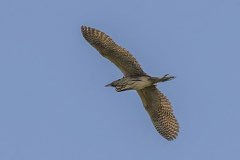 Vejlerne: bitterns, cranes and Northern Europe's largest reedbedsBittern booming from several directions at once, spotted crake whiplashes, water rail squeals, cranes trumpeting at dawn, bearded reedlings pinging, greylag families, black terns over the lagoons; wind in 8 km of reed.
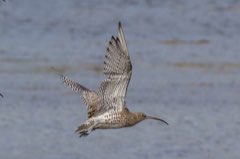 Upland wader breeding songBubbling curlew song, snipe drumming (tail feathers), lapwing display flights, the mournful golden plover whistle, and greenshank 'tew-tew' over bog pools.
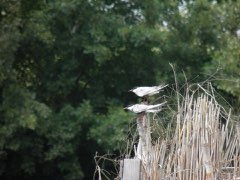 Brenne, land of a thousand pondsWhiskered tern colonies chattering over the water-lily beds, purple herons, little bittern barks, black-necked grebe trills, and at night a tree frog chorus from every pond.
More: all spectacles in São Tomé and Príncipe · dawn choruses · São Tomé and Príncipe in January · São Tomé and Príncipe in February · São Tomé and Príncipe in June · São Tomé and Príncipe in July · São Tomé and Príncipe in August · São Tomé and Príncipe in September · São Tomé and Príncipe in December