
Kumbira forest: the Gabela endemics at dawn
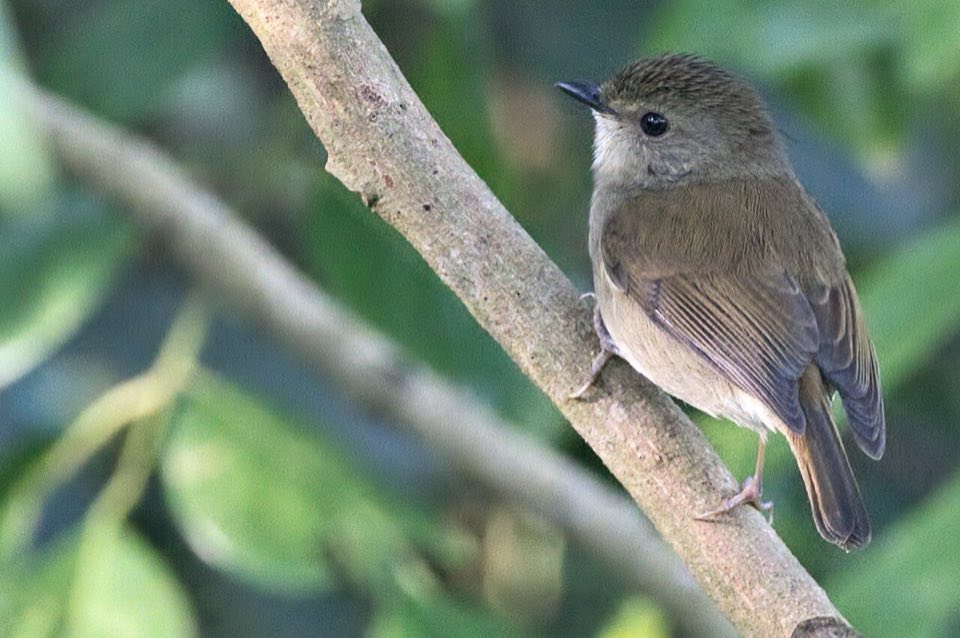
Gabela akalat, Gabela bushshrike, Monteiro's bushshrike, Pulitzer's longbill, red-crested turaco, Gabela helmetshrike (rare), yellow-bellied wattle-eye, Hartert's camaroptera. Kumbira forest, Conda/Gabela, Cuanza Sul escarpment, Angola.
Best time: 1 Jun – 30 Sep (June to September). Where: Kumbira forest – Conda, Gabela – town and surrounding forest patches (Angola). Time of day: From first light to about 09:30 in the escarpment forest.
- Partly on your own
- Low cost
- Binoculars helpful
- Sound 4/5
Open it in the interactive calendarSunrise and sunset listening times for the day you pick, and the map.
When is the best time?
Peak: 1 Jun – 30 Sep. June to September (dry season, when the birding tours run and the tracks are open); song increases again with the first rains in October–November
Active from 1 May to 30 Nov (May to November) in a typical year.
Time of day
From first light to about 09:30 in the escarpment forest; a shorter afternoon song period from 16:00
- Dawn chorus: first light → 09:30
- Afternoon song: 16:00 → sunset
What will you hear?
Red-crested turacos croaking through the coffee-forest canopy, the loud, ringing calls of Monteiro's and Gabela bushshrikes, the akalat's thin song in the understorey — a set of species found nowhere else on earth — with farm cocks, goats and the Conda road in the background.
Binoculars?
Binoculars helpful. Turacos and bushshrikes in coffee-forest canopy at close range; binoculars help pick out the akalat in the understorey.
Where to go
- Kumbira forest – Conda — Escarpment forest above the old coffee plantations; reached from Conda village on foot or 4x4 tracks. Map
- Gabela – town and surrounding forest patches — The type locality of the endemics; farmed forest edges along the roads. Map
How to go on your own, and what it costs
Shared transport from Sumbe or Gabela to Conda; walk the tracks into the forest from the village. A local guide (a few thousand kwanzas) is customary and the way to find the endemics, but the tracks are public.
Cost: Free on the tracks; local guide by negotiation, check current prices.
Free or no-guide alternative: The road and coffee-farm edges between Conda and Gabela are public: turacos, bushshrikes and the escarpment chorus at dawn cost nothing.
Field-recording notes
No protected-area status: this is village and former plantation land, so access is a matter of courtesy and a local guide from Conda (customary, and needed to find the paths and the birds). The forest is being cleared for farming and the endemics are Endangered — no playback. Cacimbo mornings are misty and cool; rains bring leeches and mud from November. The Angola Field Group knows the current guides.
Sources
Similar spectacles
 Midnight-sun taiga chorus in PasvikBluethroat and redwing song across bog and pine, brambling, cuckoo, whooper swans and cranes from the lakes, red-necked phalarope, spotted redshank, hawk owl screeching, the Pasvik river; a bear may pass — Norway's densest brown bear population.
 Tåkern: booming bitterns in Europe's biggest reedbedsThe deep, bottle-blown 'whump' of bitterns booming across the reeds, several males answering; reed, sedge and Savi's warblers, water rail squeals, cranes and geese; at Väversunda in late May the strange clicking display of great snipe towards nightfall.
 Thrush nightingale nights in eastern DenmarkThe thrush nightingale's slower, more percussive song than its southern cousin — loud whistles, clacking and rattles — from damp scrub, often several males in earshot; marsh warblers mimicking, woodcock roding overhead, cuckoo, grasshopper warbler.
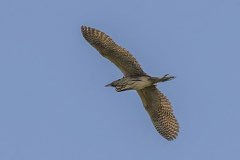 Vejlerne: bitterns, cranes and Northern Europe's largest reedbedsBittern booming from several directions at once, spotted crake whiplashes, water rail squeals, cranes trumpeting at dawn, bearded reedlings pinging, greylag families, black terns over the lagoons; wind in 8 km of reed.
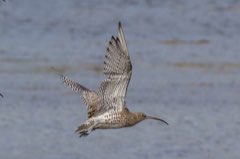 Upland wader breeding songBubbling curlew song, snipe drumming (tail feathers), lapwing display flights, the mournful golden plover whistle, and greenshank 'tew-tew' over bog pools.
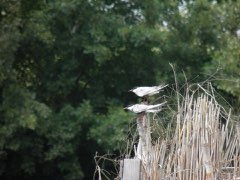 Brenne, land of a thousand pondsWhiskered tern colonies chattering over the water-lily beds, purple herons, little bittern barks, black-necked grebe trills, and at night a tree frog chorus from every pond.
More: all spectacles in Angola · dawn choruses · Angola in June · Angola in July · Angola in August · Angola in September