
Tåkern: booming bitterns in Europe's biggest reedbeds
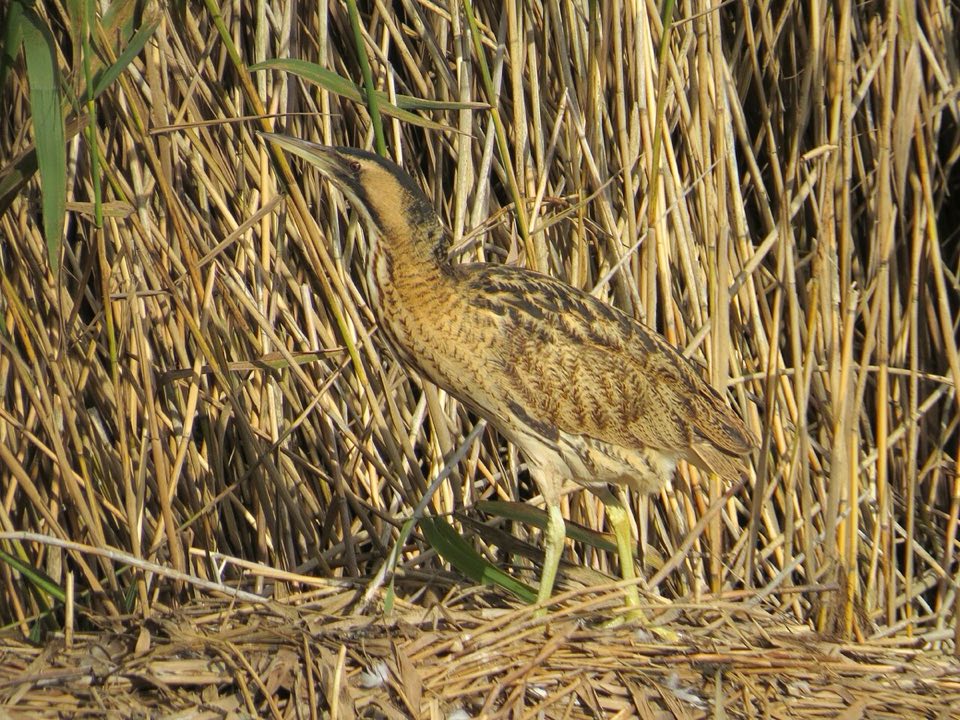
Eurasian bittern (Botaurus stellaris), great snipe display at Väversunda, marsh harrier, reed and Savi's warblers; autumn: taiga bean geese, greylags, whooper swans (70,000+ waterbirds). Lake Tåkern, Östergötland (between Vadstena and Ödeshög), Sweden.
Best time: 10 Apr – 25 May and 15 Sep – 31 Oct (April to May, September to October). Where: Glänås visitor area – naturum Tåkern, tower and reed boardwalk, Hov (Furåsa) tower, north-east shore, Svälinge, north shore (Sweden). Time of day: Bitterns boom from the last hour of light through the night and again from an hour before dawn to two hours after.
- You can go on your own
- Free
- Binoculars helpful
- Sound 5/5
Open it in the interactive calendarSunrise and sunset listening times for the day you pick, and the map.
When is the best time?
- Peak 1: 10 Apr – 25 May — Bittern booming and reedbed chorus
- Peak 2: 15 Sep – 31 Oct — Bean goose dawn and dusk flights at Hov
Active from 20 Mar to 30 Jun (March to June) in a typical year.
Time of day
Bitterns boom from the last hour of light through the night and again from an hour before dawn to two hours after; the reedbed chorus peaks in the hour around sunrise. Autumn geese: 45 min before sunrise and the half hour around sunset at Hov.
- Dawn booming and reed chorus: 1 h before sunrise → 2 h after sunrise
- Evening booming: 1 h before sunset → 90 min after last light
- Autumn goose flight (Hov): 45 min before sunrise → 30 min after sunrise
What will you hear?
The deep, bottle-blown 'whump' of bitterns booming across the reeds, several males answering; reed, sedge and Savi's warblers, water rail squeals, cranes and geese; at Väversunda in late May the strange clicking display of great snipe towards nightfall.
Binoculars?
Binoculars helpful. Bitterns are heard, rarely seen; binoculars for harriers and geese from the towers. The Glänås tower and naturum have wide views over 13 km² of reed.
Where to go
- Glänås visitor area – naturum Tåkern, tower and reed boardwalk — Main entrance on the south shore; 500 m 'Strandpromenaden' boardwalk into the reeds, 4 km Vassleden; parking, toilets; open all year. Map
- Hov (Furåsa) tower, north-east shore — Tower 150 m from the car park; early-spring ducks, autumn bean geese flying to and from the lake at dawn and dusk. Map
- Svälinge, north shore — 2 km trail through pastures to a tower; cranes and geese in spring; parking for 15 cars. Map
- Väversunda (Lövängsborg), west shore — Platform over the largest hay meadow; snipe in numbers and great snipe display in late May–June evenings. Map
How to go on your own, and what it costs
Glänås is signed from road 50 south of Vadstena (parking 58.33135, 14.82362); naturum open seasonally (check hours), the tower, boardwalks and trails are free and open all hours year-round. Hov, Svälinge and Väversunda each have a free car park and tower/platform. Stay on the marked trails during the 1 Apr–30 Jun ban; dogs on leads; one night max for campervans at the car parks.
Cost: Free (naturum exhibition free; check current opening hours).
Field-recording notes
The reserve has an access ban 1 April–30 June but the four visitor areas and their marked trails stay open — and they are open at night, so the Glänås boardwalk gives you a rig inside the reedbed at 03:00 with bitterns on three sides. No motorboats on the lake. Road 50 and the E4 are far enough (10–15 km) to be a faint wash on still nights; farm machinery at dawn in May. Mosquitoes serious from late May. Autumn: bean geese at Hov are a flight event, not a chorus — position on the tower before first light.
Sources
- Länsstyrelsen Östergötland – Tåkern nature reserve (areas, rules, parking coordinates)
- Birdingplaces – Glänås, Tåkern
Similar spectacles
 Cranes dancing on the dune heaths and bogsCrane pairs duetting and bugling across the wet dune slacks at first light, the dance's wing-flaps, curlew, golden plover and snipe drumming around them; ravens; the North Sea in Thy.
 Thrush nightingale nights in eastern DenmarkThe thrush nightingale's slower, more percussive song than its southern cousin — loud whistles, clacking and rattles — from damp scrub, often several males in earshot; marsh warblers mimicking, woodcock roding overhead, cuckoo, grasshopper warbler.
 Vejlerne: bitterns, cranes and Northern Europe's largest reedbedsBittern booming from several directions at once, spotted crake whiplashes, water rail squeals, cranes trumpeting at dawn, bearded reedlings pinging, greylag families, black terns over the lagoons; wind in 8 km of reed.
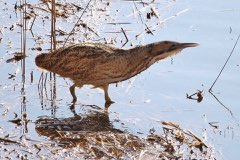 Bitterns boomingThe deep boom (fundamental around 150 Hz, carrying over 3 km), plus water rail squeals, reed and sedge warblers, and marsh harriers.
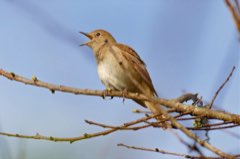 Nightingales singingFull nocturnal nightingale song, often with several males counter-singing; tawny owls and the first dawn birds behind.
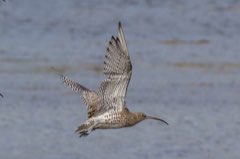 Upland wader breeding songBubbling curlew song, snipe drumming (tail feathers), lapwing display flights, the mournful golden plover whistle, and greenshank 'tew-tew' over bog pools.
More: all spectacles in Sweden · dawn choruses · Sweden in April · Sweden in May · Sweden in September · Sweden in October