
Sacred-grove monkeys at Tafi Atome and Boabeng-Fiema
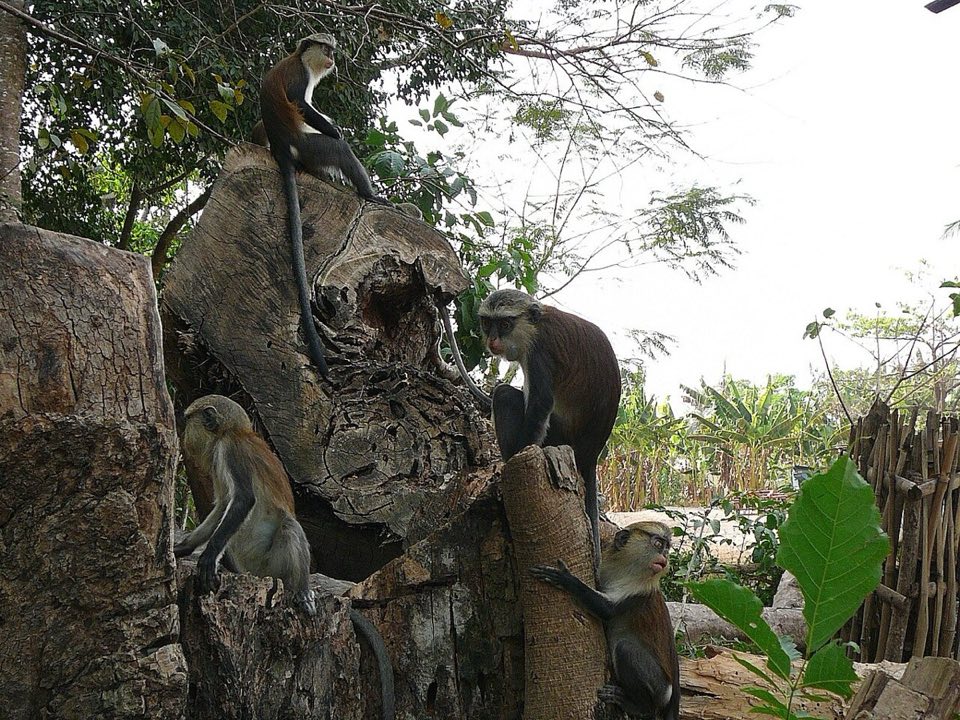
Mona monkey (Cercopithecus mona); Boabeng-Fiema also has ursine (white-thighed) colobus (Colobus vellerosus). Volta Region and Bono East, Ghana.
Best time: 1 Feb – 31 Oct (February to October). Where: Tafi Atome Monkey Sanctuary, Boabeng-Fiema Monkey Sanctuary (Ghana). Time of day: 06:00–08:00 and 15:30–18:00 when the troops come into the villages.
- Partly on your own
- Low cost
- No binoculars needed
- Sound 3/5
Open it in the interactive calendarSunrise and sunset listening times for the day you pick, and the map.
When is the best time?
Peak: 1 Feb – 31 Oct. Any month; from November to January the Tafi Atome troops range further into the surrounding forest and are only reliable at the 06:00–08:00 and late-afternoon village visits
Active from 1 Jan to 31 Dec (all year) in a typical year.
Time of day
06:00–08:00 and 15:30–18:00 when the troops come into the villages; colobus roaring at Boabeng-Fiema in the first hour of light
- Morning visit: 06:00 → 08:00
- Afternoon visit: 15:30 → 18:00
What will you hear?
Mona monkeys' booming male calls and chattering troops moving through the sacred grove, the deep rolling roar of male white-thighed colobus at dawn at Boabeng-Fiema, and a village waking up underneath.
Binoculars?
No binoculars needed. Habituated troops come to arm's length in the village groves; nothing needed.
Where to go
- Tafi Atome Monkey Sanctuary — Community-run; guided visits from the visitor centre, homestay possible. Habituated troops come to hand for bananas. Map
- Boabeng-Fiema Monkey Sanctuary — The best site for colobus; 20 km from Nkoranza. Guesthouse in the village, guide compulsory. Map
How to go on your own, and what it costs
Both are community sanctuaries: pay the visitor-centre fee and go with a village guide for the grove (tro-tro from Hohoe or Ho to Tafi Atome; from Nkoranza to Boabeng-Fiema). No permit beyond that.
Cost: Community entry fee of a few cedis plus a guide tip; check current prices.
Free or no-guide alternative: The monkeys come into the villages by themselves at 06:00–08:00 and in the late afternoon; standing in the village street is free and needs no guide.
Field-recording notes
These are village groves: the soundscape is monkeys plus goats, radios, church and a borehole pump. That is the point of the place — the animals are sacred and unafraid — but a quiet take means walking a few hundred metres into the grove with the guide before the tour groups arrive around 09:00. Feeding is the habituation method here, so troops are close and noisy in the morning; playback and flash are asked not to be used. The colobus roar at Boabeng-Fiema is one of the loudest primate sounds in West Africa and is easiest in the dry season (Nov–Mar) when the trees are barer.
Sources
Similar spectacles
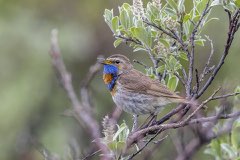 Midnight-sun taiga chorus in PasvikBluethroat and redwing song across bog and pine, brambling, cuckoo, whooper swans and cranes from the lakes, red-necked phalarope, spotted redshank, hawk owl screeching, the Pasvik river; a bear may pass — Norway's densest brown bear population.
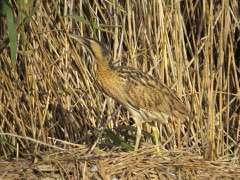 Tåkern: booming bitterns in Europe's biggest reedbedsThe deep, bottle-blown 'whump' of bitterns booming across the reeds, several males answering; reed, sedge and Savi's warblers, water rail squeals, cranes and geese; at Väversunda in late May the strange clicking display of great snipe towards nightfall.
 Cranes dancing on the dune heaths and bogsCrane pairs duetting and bugling across the wet dune slacks at first light, the dance's wing-flaps, curlew, golden plover and snipe drumming around them; ravens; the North Sea in Thy.
 Thrush nightingale nights in eastern DenmarkThe thrush nightingale's slower, more percussive song than its southern cousin — loud whistles, clacking and rattles — from damp scrub, often several males in earshot; marsh warblers mimicking, woodcock roding overhead, cuckoo, grasshopper warbler.
 Vejlerne: bitterns, cranes and Northern Europe's largest reedbedsBittern booming from several directions at once, spotted crake whiplashes, water rail squeals, cranes trumpeting at dawn, bearded reedlings pinging, greylag families, black terns over the lagoons; wind in 8 km of reed.
 Bitterns boomingThe deep boom (fundamental around 150 Hz, carrying over 3 km), plus water rail squeals, reed and sedge warblers, and marsh harriers.
More: all spectacles in Ghana · dawn choruses · Ghana in February · Ghana in March · April · Ghana in May · Ghana in June · July · August · Ghana in September · Ghana in October