
The Zwin: wader passage, ringing season and the stork colony
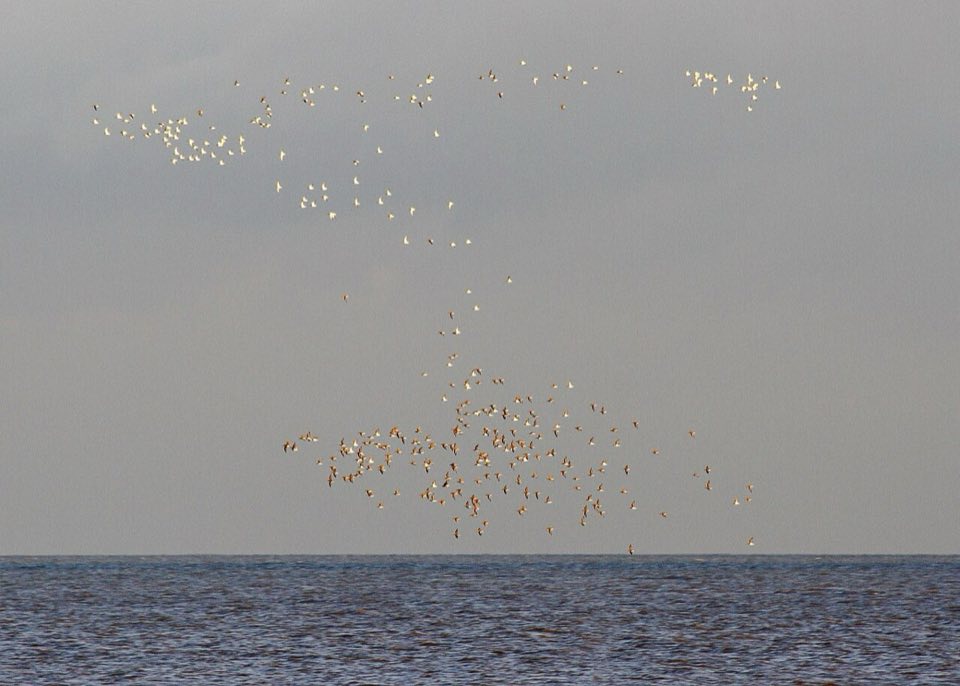
Dunlin, curlew sandpiper, ringed plover, redshank and other waders on the tidal plain; white storks breeding in and around the park (first chicks late April); autumn passerine migration ringed daily 1 Aug–11 Nov. Zwin Natuur Park, Knokke-Heist (Belgian–Dutch border), Belgium.
Best time: 20 Aug – 30 Sep and 15 Mar – 31 Jul (March to September). Where: Zwin Natuur Park, Knokke-Heist, Zwin from the Dutch side – dunes and dike at Retranchement / Cadzand-Bad (Belgium). Time of day: Waders feed on the mudflats at low tide and pack onto the salt marsh at high tide — plan around the Zwin tide and the park's 10:00–17:00 hours.
- Partly on your own
- Entry fee
- Telescope recommended
- Sound 3/5
Open it in the interactive calendarSunrise and sunset listening times for the day you pick, and the map.
When is the best time?
- Peak 1: 20 Aug – 30 Sep — Wader and passerine autumn passage
- Peak 2: 15 Mar – 31 Jul — White storks on the nests (bill-clattering, chicks)
Active from 1 Aug to 11 Nov (August to November) in a typical year.
Time of day
Waders feed on the mudflats at low tide and pack onto the salt marsh at high tide — plan around the Zwin tide and the park's 10:00–17:00 hours; ringing can be watched from 10:00. Storks clatter most at nest changeovers in the morning and evening.
- Park hours (ringing from 10:00): 10:00 → 17:00
- Dawn on the public dike (free): 30 min before sunrise → 2 h after sunrise
Depends on the tide: best around high tide. Check local tide tables.
What will you hear?
Bill-clattering of storks greeting at the nest; dunlin and redshank flocks over the salt marsh at the top of the tide; curlews; the sea behind the dunes; in autumn a steady trickle of migrating pipits and finches over the dike.
Binoculars?
Telescope recommended. The tidal plain is wide — a scope from the hides and the dike; storks are at close range on the park's nest poles.
Where to go
- Zwin Natuur Park, Knokke-Heist — Open Tue–Sun 10:00–17:00 (daily in Flemish autumn holiday); hides over the Zwin plain; daily ringing 1 Aug–11 Nov, watchable from 10:00; Zwinbus from Knokke station (1 Apr–18 Oct). Map
- Zwin from the Dutch side – dunes and dike at Retranchement / Cadzand-Bad — Het Zwin (NL) is open public dune and beach; the dike path overlooks the same tidal plain, free and open at all hours. Map
How to go on your own, and what it costs
Park entry is ticketed (€12 online in advance, €14 on the day, children 6–17 €6; 2026) and limited to 10:00–17:00 Tue–Sun; take the Zwinbus from Knokke station or drive to the park car park. For free, unrestricted access walk the dike and dune paths of the Dutch Zwin from Cadzand-Bad or Retranchement (Het Zeeuwse Landschap), open at all hours.
Cost: Zwin Natuur Park €12 adult online / €14 at the counter, €6 child 6–17, under-6 free (2026); the Dutch-side dike and dunes are free.
Free or no-guide alternative: Walk the dike and dune path of Het Zwin on the Dutch side from Cadzand-Bad or Retranchement: the same tidal plain and roosting waders, free, no hours, and you can be there at dawn.
Who runs access
- Zwin Natuur Park – weekend guided walks and migration walks (park authority) — Guided walks with park guides; 'Vogeltrekwandeling' on set October dates; ringing demonstrations.
Field-recording notes
Inside the park you are limited to its hours and hides — fine for the stork colony and the ringing station, poor for dawn. The free option is the dike and dune path on the Dutch side from Cadzand-Bad/Retranchement, open at night, with the tidal plain below; Knokke's seafront and the N49 are the noise, the beach is wide and the dunes shelter. Ringing: ask the ringers before recording near nets, and no playback anywhere in the reserve. September high tides at dawn put the wader roost at its closest to the dike.
Sources
- Zwin Natuur Park – homepage (hours, ringing dates)
- Zwin Natuur Park – tickets
- Zwin – Steltlopertrek volop bezig (wader passage, Sept)
- Zwin – satellite-tagged storks (colony in and around the park)
Similar spectacles
 Pyrenean passes: raptor, stork, pigeon & crane migrationMostly visual, but woodpigeon flocks pass with a rush of wings, cranes bugle over the pass, and pre-dawn passerine flight calls stream through — with gunfire from the neighbouring hunting passes.
 Strait of Gibraltar: raptor & stork passageMostly visual — kettles of thousands — but bee-eater flocks pour over calling all day, honey buzzards pass at head height in a levante, and the stork pre-roost at Los Lances is a bill-clattering crowd.
 Spring raptor & stork passage over the Strait — Jbel MoussaMostly a visual event: kettles of hundreds of kites and storks spilling off the Spanish side and gaining height over Belyounech. Sound is the wind, bill-clattering storks on the ground, griffons' rasping wing-noise overhead and the reintroduced griffon colony's grunts on the cliffs.
 Tree-nesting white stork colony, March floodplainBill-clattering across a colony of 40–50 nests in the oak canopy, chick hissing, black-headed gulls from the oxbows, oriole, nightingale, tree frogs and fire-bellied toads in the flooded meadows, Konik horses.
 White stork village and floodplain summer, Lonjsko poljeBill-clattering duets from every rooftop, chick hissing and begging, spoonbill and heron colonies, marsh and pool frogs from the oxbows, corncrake and quail in the meadows at night, cattle bells and village life.
 White storks bill-clattering on the Chellah walls, RabatDozens of pairs bill-clattering with heads thrown back on the minaret and the medieval walls, wings thumping on landing, and below them the cattle egret roost and the Bou Regreg valley.
More: all spectacles in Belgium · storks · bird migration hotspots · March · April · May · June · July · August · September