
Bouche du Roy: mangroves, manatees and the Mono estuary
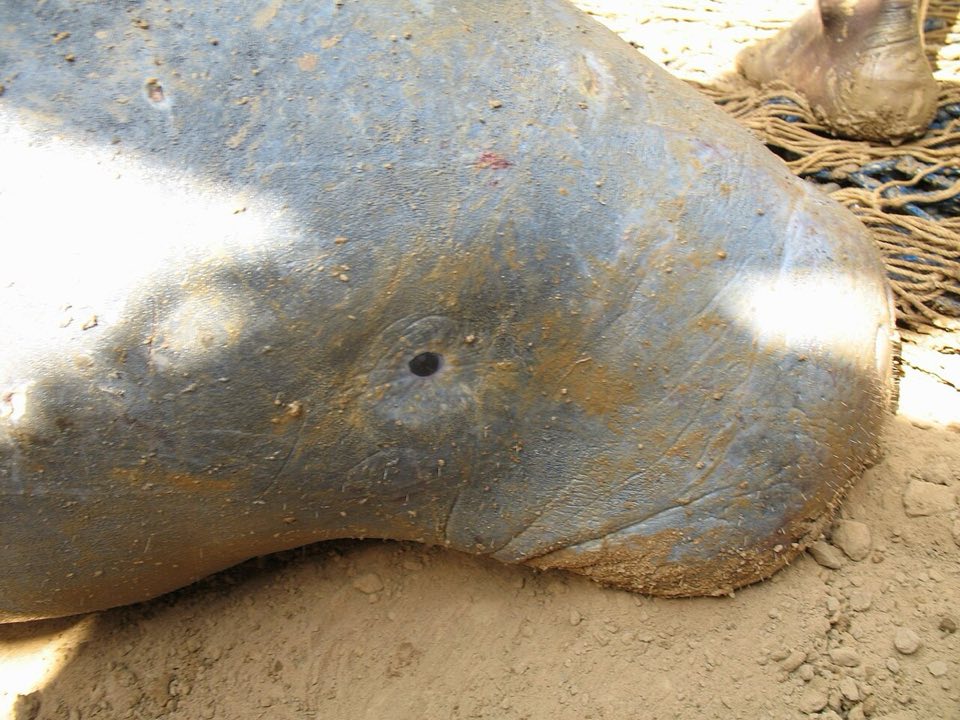
West African manatee, hippopotamus on the lower Mono, African clawless otter; herons, egrets, terns and Palearctic waders; mangrove kingfishers. Mono delta, Grand-Popo & Comè, Benin.
Best time: 15 Nov – 28 Feb (November to February). Where: Bouche du Roy – estuary and mangroves, Lake Ahémé – Possotomè (Benin). Time of day: Pirogue from sunrise for three hours.
- Guide, ranger or boat needed
- Low cost
- Binoculars helpful
- Sound 3/5
Open it in the interactive calendarSunrise and sunset listening times for the day you pick, and the map.
When is the best time?
Peak: 15 Nov – 28 Feb. Mid November to February: waders and terns on the estuary, dry-season calm on the mangrove channels
Active from 1 Oct to 15 Apr (October to April) in a typical year.
Time of day
Pirogue from sunrise for three hours; egret and heron roosts settle from an hour before sunset; manatees are most often heard surfacing at dusk in the quiet channels
- Mangrove channels: sunrise → 3 h after sunrise
- Roosts & manatees: 1 h before sunset → 30 min after last light
Depends on the tide: best around low tide. Check local tide tables.
What will you hear?
A mangrove soundscape: kingfishers and herons, mudskippers popping at low water, whimbrel and terns on the sand at the river mouth, and, rarely, the blow of a manatee in a still channel.
Binoculars?
Binoculars helpful. Kingfishers and herons close from the pirogue; binoculars for waders on the sand at the river mouth.
Where to go
- Bouche du Roy – estuary and mangroves — Community reserve within the Mono biosphere reserve; eco-guides and pirogues from Grand-Popo or Avlo. Map
- Lake Ahémé – Possotomè — Large lagoon lake upstream with fishing villages and waterbirds; boat trips from Possotomè. Map
How to go on your own, and what it costs
The reserve's channels are visited by pirogue with community eco-guides (reserve rule for the sacred mangroves); arrange at the Bouche du Roy office in Grand-Popo or Avlo.
Cost: Pirogue and guide per trip; check current prices.
Free or no-guide alternative: The Avlo beach spit and the Grand-Popo shore at the river mouth are public: terns, waders and the estuary birds for free.
Who runs access
- Bouche du Roy community reserve – eco-guides and pirogues (community project) — Community-run
Field-recording notes
The reserve's guides are the access; sacred mangrove areas have been designated by the communities and are off-limits without them. Outboards and fish traps everywhere — insist on paddled sections. Manatees are protected and shy; no pursuit, and a hydrophone hung from a stationary pirogue is the only realistic method. Morning sea breeze picks up by 10:00 and ends the calm.
Sources
Similar spectacles
 Azagny: manatees, Palearctic waders and the lagoon canalA quiet lagoon soundscape: whimbrel and greenshank calls across the flats, herons and darters from the mangroves, kingfishers along the canal and, if you are lucky, the soft blow of a manatee surfacing at dusk.
 Douala-Edéa and Lake Ossa: manatees, mangroves and the Sanaga mouthGrey parrot roost flights whistling over the mangroves at dusk, egrets and herons settling, the Sanaga estuary's terns, and at Lake Ossa the soft blows of manatees surfacing in the dark.
 Mangroves of the Congo mouth: manatees, turtle beaches and the only marine park in the DRCA mangrove dawn: the drip and click of the Rhizophora at low water, kingfishers, herons, fish eagles, the blow of a manatee surfacing in a side channel (a short, sharp exhalation, easy to miss), hippos grunting in the back creeks; at night on the beach, surf and a nesting ridley's scraping — and the Congo's current audible against the sandbanks at Banana.
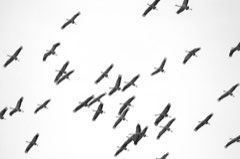 Cranes at Lac du DerTens of thousands of cranes bugling as they leave the lake at first light in wave after wave, then the evening return with the sky full of trumpeting skeins.
 Cranes at Laguna de GallocantaUp to 100,000 cranes lifting off the salt lagoon at first light in a continuous trumpeting roar that lasts half an hour, then skeins bugling over the steppe villages.
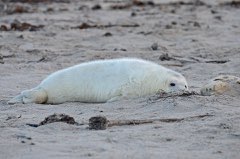 Helgoland migration falls and grey seal winterNocturnal flight calls of thrushes (redwing 'seep', song thrush, blackbird) in the thousands over the island, goldcrests in every bush at dawn; on the Düne, grey seal pups wailing and bulls roaring in December.
More: all spectacles in Benin · manatees · bird migration hotspots · Benin in January · Benin in February · Benin in November · Benin in December