
Abuko gallery forest — dawn chorus and monkeys
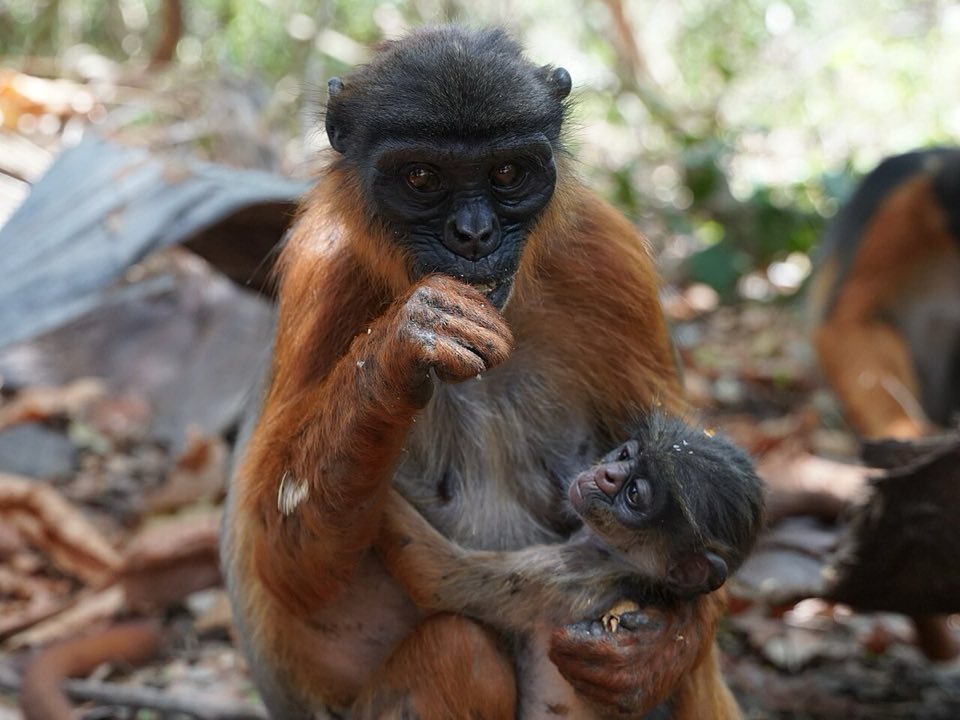
Western red colobus, green (vervet) monkey, patas; green turaco, violet turaco, western bluebill, hornbills, paradise flycatcher, Nile crocodile; Palearctic warblers in winter. Abuko Nature Reserve, Kombo North, The Gambia.
Best time: 15 Jun – 15 Aug (June to August). Where: Abuko Nature Reserve – main gate and Darwin field station, Lamin bolong (mangrove creek), Bijilo Forest Park (Kololi) (The Gambia). Time of day: Gate opens about 08:00 — the chorus is already well under way, so ask the wardens about an earlier entry.
- You can go on your own
- Low cost
- Binoculars helpful
- Sound 4/5
Open it in the interactive calendarSunrise and sunset listening times for the day you pick, and the map.
When is the best time?
Peak: 15 Jun – 15 Aug. First rains (mid June to mid August) for the fullest chorus and frog nights; November–February for Palearctic migrants and easy conditions
Active from 1 Jan to 31 Dec (all year) in a typical year.
Time of day
Gate opens about 08:00 — the chorus is already well under way, so ask the wardens about an earlier entry; the crocodile pool hide is best in the first hour; colobus call loudest at dawn and dusk
- Dawn chorus: 20 min before sunrise → 2 h after sunrise
- Evening: 1 h before sunset → sunset
What will you hear?
Red colobus barks and crashing through the canopy, turacos' rolling calls, the hornbill pairs, and a full gallery-forest dawn 15 minutes from the coast hotels — the easiest West African forest chorus to reach.
Binoculars?
Binoculars helpful. Colobus and turacos are in the canopy above the trails; binoculars help pick them out, the crocodile hide is close.
Where to go
- Abuko Nature Reserve – main gate and Darwin field station — 107 ha of gallery forest and savanna on the Brikama road; entry fee, paths and the crocodile pool hide. Map
- Lamin bolong (mangrove creek) — Mangrove creek 3 km away for a paired hydrophone/mangrove session; pirogue hire at the Lamin landing stage. Map
- Bijilo Forest Park (Kololi) — Coastal monkey park; habituated green monkeys and colobus, heavy tourist feeding — ambience only. Map
How to go on your own, and what it costs
Gelly-gelly from Serekunda towards Brikama and get off at Abuko (the gate is on the main road); pay the DPWM entry fee and walk the marked trails alone. Hours roughly 08:00–18:00; earlier entry only by arrangement with DPWM.
Cost: DPWM entry fee, small (recently a few hundred dalasi for non-residents) — check current prices.
Field-recording notes
The Brikama highway and the airport flight path (Yundum is 5 km away) are the noise; the western side of the reserve is quieter. Monkeys are fed by tourists at Bijilo — not at Abuko, keep it that way. Opening hours limit the dawn; a written request to DPWM (HQ is at Abuko) can get you in before the gate. Humidity is extreme in the rains — desiccant, and expect condensation on capsules at dawn.
Sources
Similar spectacles
 Midnight-sun taiga chorus in PasvikBluethroat and redwing song across bog and pine, brambling, cuckoo, whooper swans and cranes from the lakes, red-necked phalarope, spotted redshank, hawk owl screeching, the Pasvik river; a bear may pass — Norway's densest brown bear population.
 Thrush nightingale nights in eastern DenmarkThe thrush nightingale's slower, more percussive song than its southern cousin — loud whistles, clacking and rattles — from damp scrub, often several males in earshot; marsh warblers mimicking, woodcock roding overhead, cuckoo, grasshopper warbler.
 Vejlerne: bitterns, cranes and Northern Europe's largest reedbedsBittern booming from several directions at once, spotted crake whiplashes, water rail squeals, cranes trumpeting at dawn, bearded reedlings pinging, greylag families, black terns over the lagoons; wind in 8 km of reed.
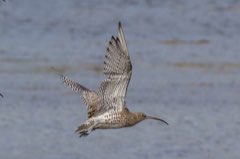 Upland wader breeding songBubbling curlew song, snipe drumming (tail feathers), lapwing display flights, the mournful golden plover whistle, and greenshank 'tew-tew' over bog pools.
 Brenne, land of a thousand pondsWhiskered tern colonies chattering over the water-lily beds, purple herons, little bittern barks, black-necked grebe trills, and at night a tree frog chorus from every pond.
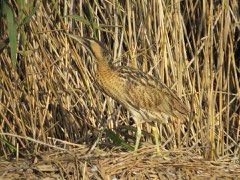 Marsh dawn chorus: Brière and DombesBittern booms across the reed, great reed warbler rasps, bluethroat song from the willows, heronries croaking, whiskered terns overhead, and a marsh frog chorus that runs all night.
More: all spectacles in The Gambia · dawn choruses · June · July · August