
Tern roosts and Palearctic waders on the Keta and Songor lagoons
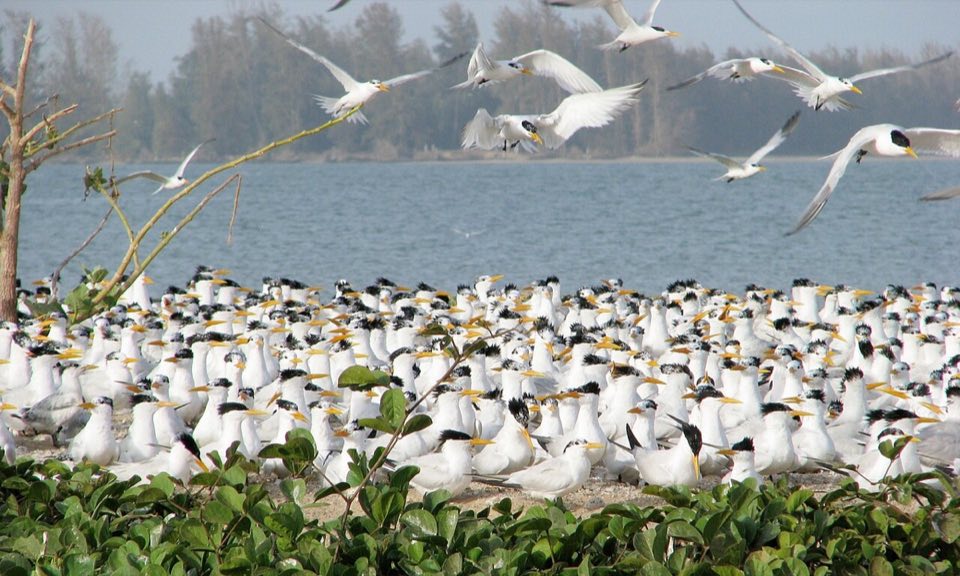
Royal, sandwich, common, black and roseate terns; spotted redshank, black-tailed godwit, curlew sandpiper, little stint, avocet; white-faced whistling ducks. Volta Region & Ada, Greater Accra, Ghana.
Best time: 1 Sep – 31 Oct (September to October). Where: Songor Lagoon – Ada Foah and the salt pans, Keta Lagoon – Anloga to Keta shore, Sakumono Lagoon, Tema (Ghana). Time of day: Terns gather on the sandflats from about 90 minutes before sunset until dark and lift again at first light.
- You can go on your own
- Free
- Binoculars essential
- Sound 4/5
Open it in the interactive calendarSunrise and sunset listening times for the day you pick, and the map.
When is the best time?
Peak: 1 Sep – 31 Oct. September–October: post-breeding tern roosts of 50,000+ on Songor; waders build through the autumn and stay to March
Active from 15 Aug to 15 Apr (August to April) in a typical year.
Time of day
Terns gather on the sandflats from about 90 minutes before sunset until dark and lift again at first light; waders feed by tide on the lagoon edges and salt pans
- Roost break-up: first light → 1 h after sunrise
- Terns settling: 90 min before sunset → 20 min after last light
Depends on the tide: best around low tide. Check local tide tables.
What will you hear?
The rasping, screaming mass of a tern roost settling at dusk, spotted redshank 'chu-it' and godwit chatter across the pans, and whistling ducks passing overhead at night.
Binoculars?
Binoculars essential. Tern roosts and wader flocks are on flats and pan bunds 100–500 m off; binoculars needed, a scope for roseate terns.
Where to go
- Songor Lagoon – Ada Foah and the salt pans — Ramsar site; the tern roosts sit on the flats and pan bunds near the mouth of the Volta. Access by road from Ada Foah, boat trips from the estuary. Map
- Keta Lagoon – Anloga to Keta shore — Ghana's most important waterbird wetland; the causeway and the fishing villages give access to the flats. Map
- Sakumono Lagoon, Tema — Small Ramsar site squeezed by the city; convenient from Accra for waders and terns at low water. Map
- Densu Delta – Panbros salt pans — West of Accra; wader and tern roost on the pan bunds. Map
How to go on your own, and what it costs
All public: tro-tro from Accra to Ada Foah for Songor (walk or motorbike taxi to the salt pans), or to Keta/Anloga for the Keta lagoon causeway and shore. No ticket, no guide needed; salt-pan workers will tell you which pans the terns are using.
Cost: Free; boat hire on the Volta estuary at Ada is negotiable, check current prices.
Field-recording notes
Terns are the target: the roosts are the largest on the Gulf of Guinea coast and the roseate terns among them are European breeders that have been ringed and, historically, trapped here. Keep well back from a settling roost — one flush at dusk costs the birds the night. Salt-pan bunds give a clean approach to a roost on a still evening but the surf line is never far, so pick the pans furthest from the beach. Fishing canoes with outboards run along the shore from first light; fishermen and salt workers are curious and friendly, and the Wildlife Division has a site office at Ada. The lagoons are tidal only near the mouths; ask locally rather than trusting tide tables.
Sources
- Songor Ramsar Site – BirdLife IBA factsheet
- Keta Lagoon Ramsar Site – Key Biodiversity Areas
- Ghana Wildlife Society
Similar spectacles
 Crane autumn staging: Rügen-Bock, Linum, Diepholz, MüritzWaves of trumpeting families flying in at dusk, the roost's night-long murmur over shallow water, dawn's mass departure with tens of thousands calling at once; greylag and white-fronted geese in the same flights.
 Wadden Sea autumn: millions of waders and geeseKnot and dunlin flocks in the tens of thousands wheeling with a rushing wing-roar, curlew and godwit calls at the roost, brent geese growling, barnacle geese yapping; wind, surf and the tide-edge trickle.
 Cranes at Lac du DerTens of thousands of cranes bugling as they leave the lake at first light in wave after wave, then the evening return with the sky full of trumpeting skeins.
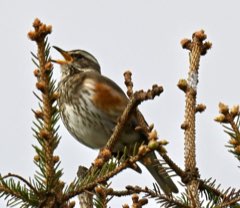 Autumn migration at Lista, Jomfruland and UtsiraDawn flight calls of thousands of thrushes, pipits and finches leaving the coast, waders on the Lista beaches, skuas and gannets passing the lighthouse in a westerly gale; at night, redwing and song thrush calls overhead.
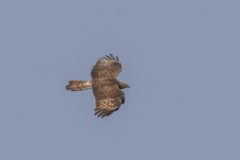 Falsterbo: Scandinavia's autumn migration funnelA continuous stream of flight calls at dawn — chaffinch, brambling, meadow pipit, yellow wagtail, siskin — thousands of birds an hour on a big day; cranes bugling high overhead in late Sept–Oct; the sea on both sides of the point.
 Gedser Odde: autumn migration off Denmark's southern tipRivers of chaffinch and brambling calls over the car park on a big October morning, wood pigeons' wing-clatter, eider flocks crooning as they round the point, little gulls' chatter, the Fehmarn Belt surf; the station's own sound recorder (PUC) logs the night migration overhead.
More: all spectacles in Ghana · bird migration hotspots · Ghana in September · Ghana in October