
Le brame: red deer rut in the Ardennes forests
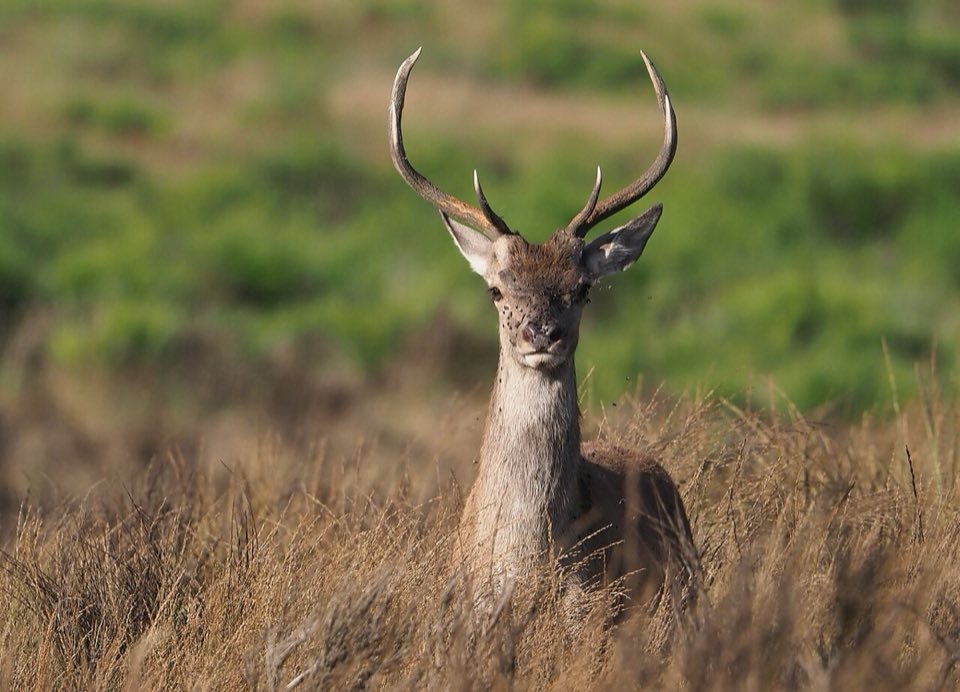
Red deer (Cervus elaphus); wild boar, roe deer, tawny owls. Grande Forêt de Saint-Hubert, Forêt d'Anlier, Nassogne, Famenne (Wallonia), Belgium.
Best time: 15 Sep – 5 Oct (September to October). Where: Fourneau Saint-Michel, Saint-Hubert (listening sectors), Forêt d'Anlier (Habay), Nassogne / Haute-Lesse forests (Belgium). Time of day: Roaring starts at dusk and runs through the night, with the second peak from an hour before dawn to sunrise.
- Partly on your own
- Low cost
- No binoculars needed
- Sound 5/5
Open it in the interactive calendarSunrise and sunset listening times for the day you pick, and the map.
When is the best time?
Peak: 15 Sep – 5 Oct. Second half of September into the first days of October; 2026 started early (first days of September) after a hot dry summer
Active from 5 Sep to 15 Oct (September to October) in a typical year.
Time of day
Roaring starts at dusk and runs through the night, with the second peak from an hour before dawn to sunrise. Cold, still nights after rain are best. Note that sensitive sectors of the Saint-Hubert forest are closed from 17:30 to 08:00 during the rut, so evening listening there is from the signed public listening spots and roads.
- Evening and night roaring: 30 min before sunset → 3 h after last light
- Dawn roaring: 1 h before sunrise → 30 min after sunrise
What will you hear?
Stags roaring in the beech and spruce valleys of the Ardennes — long, hoarse groans answered across the ridges, antler clashes in the dark, boar grunting, tawny owls; valleys give long reverb.
Binoculars?
No binoculars needed. You listen; stags are rarely seen in the forest. The DNF observation platforms at Saint-Hubert give occasional views at dusk; no torches.
Where to go
- Fourneau Saint-Michel, Saint-Hubert (listening sectors) — Free listening spots marked with pictograms around the massif; the Walloon forest service (DNF/SPW) closes sensitive sectors 17:30–08:00 during the rut. Map
- Forêt d'Anlier (Habay) — Largest beech forest in Belgium; guided dusk walks Wed/Fri/Sat/Sun from 11 to 27 September (2026), booking required. Map
- Nassogne / Haute-Lesse forests — Quieter massifs south of the N89; public forest roads from Libin and Nassogne. Map
How to go on your own, and what it costs
Go to the signed public listening spots in the Grande Forêt de Saint-Hubert (the regional environmental-education centres publish a map of free listening spots in the season) in the last hour of light, by car to the marked car parks then on foot along forest roads; sensitive sectors are closed at night and battue days are posted. Sectors closed at night can only be entered on the public listening evenings organised by the forest service and the regional environmental-education centres.
Cost: Free from the public listening spots; public listening evenings run by the forest service / environmental-education centres charge a few euros (check current dates and prices).
Free or no-guide alternative: Use the free marked listening spots around the Saint-Hubert massif and forest roads outside the closed sectors in the hour after sunset — no guide needed; respect closures and keep torches off.
Who runs access
- CRIE du Fourneau Saint-Michel – soirées brame (NGO) — Public evenings with an introduction and a guided outing into sectors normally hard to reach (reported by RTBF, Sept 2026).
- Maison du Tourisme du Pays de la Haute-Lesse – balades brame (Libin) (NGO) — Evening talk then 2.5-hour guided listening walk; booking required; dates were late September.
Field-recording notes
Wallonia's forests are public but during the rut the DNF closes sensitive sectors (17:30–08:00 in the Saint-Hubert massif) and marks the open listening points — respect the pictograms, stay on roads and tracks, no torches (the deer flee and the rut stops), no calling or playback. Stand-hunting opens around 21 September and battues from 1 October with signed closures: read the yellow notices before going in at night. Noise: the N89/E411 corridors are audible in parts of the Saint-Hubert forest; Anlier and the Lesse valleys are quieter. Frost brings the clearest nights and the longest carry.
Sources
- RTBF – Brame du cerf en avance cette année… à écouter sans déranger (9 Sept 2026, SPW forest agent; closures 17:30–08:00)
- RTBF – Brame du cerf: activités et infos (1 Oct 2026; listening spots map, rules)
- RTBF – Promeneurs, attention la chasse est ouverte (hunting dates and closures)
- Info-Lux – soirées d'écoute du brame, Haute-Lesse
Similar spectacles
 Red deer rut: Dyrehaven, Thy, Lille Vildmose, OksbølStags roaring across parkland (Dyrehaven's ~2,000 deer make it Europe's easiest big rut) or across dune heath in Thy with the North Sea behind; antler clashes, hinds, tawny owls; in Dyrehaven, also the Klampenborg trains.
 Red deer rutStags roaring and groaning, antler clashes, hinds barking alarm, animals crashing through bracken and heather.
 Red deer rut in Killarney National ParkRed stags roaring across the Killarney lakes with the mountains throwing it back; antler clashes; the eerie, rising triple whistle of sika stags from the oak woods; jackdaws and ravens at dawn; waterfalls at Torc.
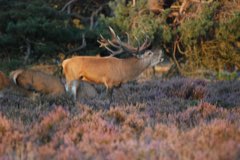 Red deer rut: Oostvaardersplassen and the VeluweStags roaring across open polder grassland with no cover to dampen it — an unusually long, clean reverb; antler clashes; geese lifting off the marsh behind; on the Veluwe, roars from the heath edge with wild boar grunting in the rides.
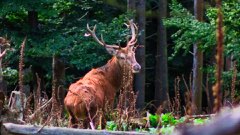 Red deer rut: Darß beaches, Schorfheide, Harz, EifelRoaring stags in pine-beech forest and, uniquely on the Darß, on open dunes with surf behind; antler fights, hind calls, cranes overhead at the Bodden in the same weeks.
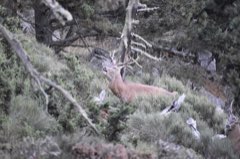 Brame du cerf in the mountainsRoars echoing between forested slopes with 3–4 s of valley reverb; several stags on opposing slopes answering each other.
More: all spectacles in Belgium · red deer rut · ruts · September · October