
Wolf howling
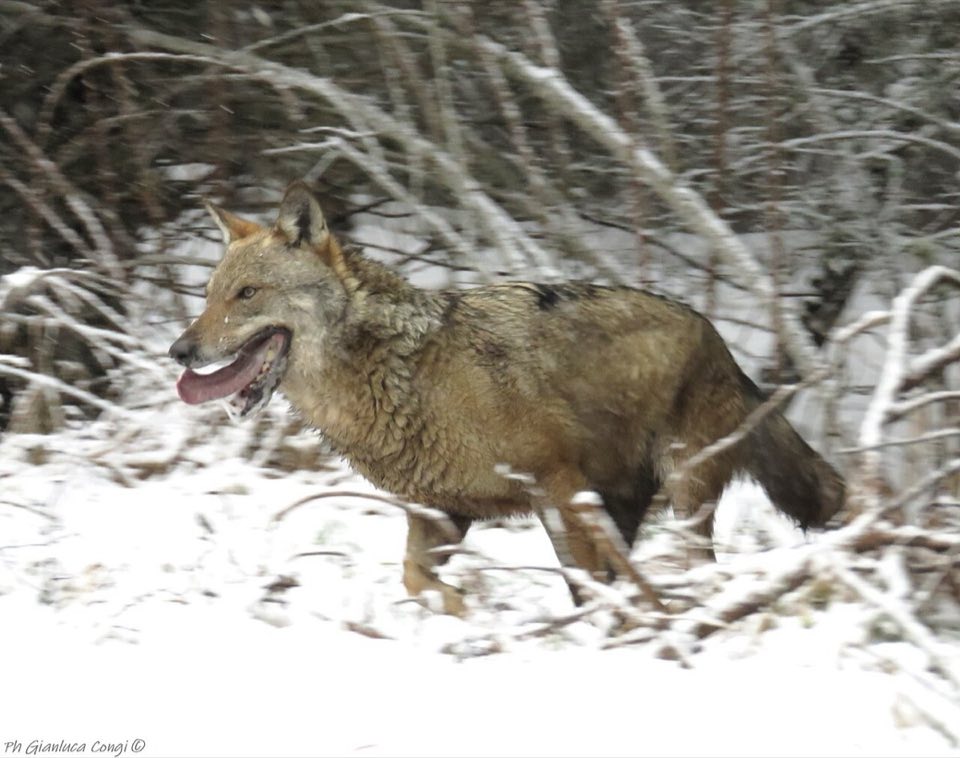
Italian wolf (Canis lupus italicus). Apennines, Alps, Italy.
Best time: 1 Aug – 30 Sep and 15 Jan – 15 Feb (January to February, August to September). Where: Foreste Casentinesi – educational wolf-howling sessions, Parco Nazionale d'Abruzzo – Civitella Alfedena, Parco Nazionale della Majella – Fara San Martino (Italy). Time of day: Spontaneous chorus howls are most frequent in the first 2–3 h after full dark and again before dawn.
- Guide, ranger or boat needed
- Paid trip only
- No binoculars needed
- Sound 5/5
Open it in the interactive calendarSunrise and sunset listening times for the day you pick, and the map.
When is the best time?
- Peak 1: 1 Aug – 30 Sep — August–September: pups at rendezvous sites
- Peak 2: 15 Jan – 15 Feb — Mid January to mid February: mating-season howling; some parks run winter sessions Nov–Jan
Active from 15 Jul to 28 Feb (July to February) in a typical year.
Time of day
Spontaneous chorus howls are most frequent in the first 2–3 h after full dark and again before dawn; official howling sessions run in the evening (start times set by the park). A rig left overnight in a rendezvous valley catches both.
- Evening howling: last light → 3 h after last light
- Pre-dawn howling: 90 min before first light → first light
What will you hear?
Chorus howls from family packs, including pups' high wavering howls, answering from across a valley.
Binoculars?
No binoculars needed. Full dark, howls answered across the valley; nothing to see. Thermal imager only for the very keen.
Where to go
- Foreste Casentinesi – educational wolf-howling sessions — Park-regulated sessions with licensed guides who do the playback; participants stay silent. Map
- Parco Nazionale d'Abruzzo – Civitella Alfedena — Guided night outings; tracking in winter snow. Map
- Parco Nazionale della Majella – Fara San Martino — Ask the park about monitoring nights. Map
How to go on your own, and what it costs
Howl playback is a regulated monitoring tool inside the parks: the only way to attend a howling session is with a licensed guide on a park-authorised 'wolf howling didattico' evening (Casentinesi: 24 sessions a year, Nov–Jan, booked directly with the guide; Abruzzo and Majella: ask the park offices). Passive listening for spontaneous howls from public roads and trails is legal and free.
Cost: Guided howling sessions — contact the individual guides for prices (check current prices).
Free or no-guide alternative: Passive and free: sit on a public ridge road at dusk in August–September and let the pack find its own voice — no playback. Passo della Calla / Campigna in the Casentinesi or the Val Fondillo trailhead at Opi are legal at all hours.
Who runs access
- Parco Nazionale Foreste Casentinesi – wolf howling a scopo didattico (park authority) — Licensed environmental guides; Nov–Jan; participants stay silent.
Field-recording notes
Howling playback is a monitoring tool and is regulated inside the parks — do not do it yourself. Join official sessions and ask beforehand about recording; a rig left running at a known rendezvous valley on a still night is the passive option. Wolves are fully protected; nothing that alters their behaviour.
Sources
Similar spectacles
 Wolf howling and Ural owls, Kočevski Rog nightsPack howls with high pup yips from rendezvous sites, carrying several km across karst dolines; Ural owl's deep barking 'wuh-wuh-wuho' and female's hoarse calls; Tengmalm's owl in late winter; red deer in the same windows from mid September.
 Iberian wolf howling, Sierra de la CulebraPack choruses with pups' yips across the heather-and-pine sierra, roe deer barks, and the deep quiet of one of the emptiest corners of Spain.
 Brown bears and wolves, Gorski kotar and VelebitBear footfalls, huffs and jaw-popping close to a hide; wolf packs howling across karst dolines in late summer; dormice and Ural owls at night; the Lika plateau is one of the quietest places in southern Europe.
 Mercantour summer: marmots, ibex and wolf countryMarmot alarm whistles across high cirques, ibex hooves on rock, alpine choughs and lammergeier wingbeats; wolf howls are possible but rare and never guaranteed.
 Golden jackal choruses of DalmatiaThe rising, yelping, quavering group howl of a jackal family — three or four voices climbing over each other for half a minute — answered from the next olive grove and the next, with scops owls, nightjars and crickets underneath on summer nights and silence and sea on winter ones.
 Cory's shearwater colonies of the CanariesThe wailing, sobbing 'pardela' chorus from thousands of birds over sea cliffs — the sound behind the Canarian mermaid legends — with the Atlantic swell and Bulwer's petrels' soft barking.
More: all spectacles in Italy · wolves · wildlife at night · Italy in January · Italy in February · Italy in August · Italy in September