
Miombo woodland at the first rains: cuckoos, barbets and frogs
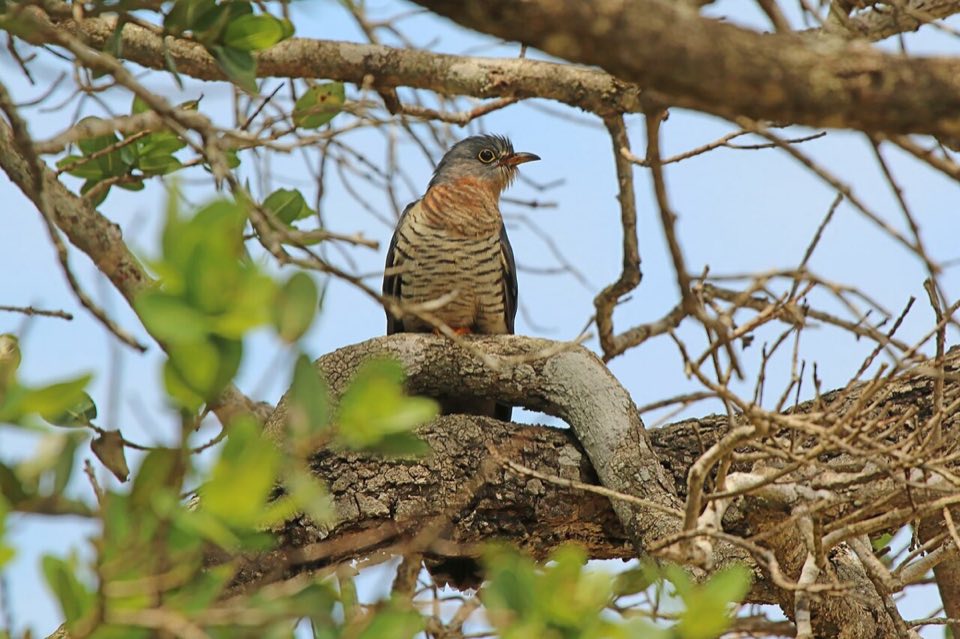
African, red-chested and black cuckoos, Klaas's and emerald cuckoos, miombo barbets and tinkerbirds, Anchieta's barbet, Angola batis; reed frogs and bullfrogs at the pans; Cangandala's giant sable nearby (not visitable without permission). Malanje, Bié and Huambo plateau miombo (Cangandala, Bicuar, the Kalandula road), Angola.
Best time: 15 Oct – 30 Nov (October to November). Where: Kalandula falls road – miombo and gallery forest, Malanje, Cangandala National Park – edge, Malanje, Bicuar National Park – Huíla (Angola). Time of day: From first light to about 09:00 for the woodland chorus.
- You can go on your own
- Free
- Binoculars helpful
- Sound 4/5
Open it in the interactive calendarSunrise and sunset listening times for the day you pick, and the map.
When is the best time?
Peak: 15 Oct – 30 Nov. Mid October to November: the miombo flush and the first storms trigger the cuckoo and barbet chorus and the first frog nights
Active from 1 Oct to 31 Dec (October to December) in a typical year.
Time of day
From first light to about 09:00 for the woodland chorus; frogs from dusk on the nights after a storm
- Miombo dawn: first light → 09:00
- Frogs after rain: last light → 00:00
What will you hear?
The full southern-African miombo dawn — cuckoos calling in every direction, barbets duetting, tinkerbirds' endless popping, orioles and the red flush of new leaves — and after the first storms the pans erupt with reed frogs and bullfrogs at night.
Binoculars?
Binoculars helpful. Cuckoos and barbets call from open woodland at close range; binoculars help find them in the new leaves.
Where to go
- Kalandula falls road – miombo and gallery forest, Malanje — Public road with woodland either side; the falls themselves are a broadband bed but the woodland a few km away is open. Map
- Cangandala National Park – edge, Malanje — Giant sable sanctuary; the park's fenced core is closed to casual visits, but the miombo along the access road is the same woodland. Map
- Bicuar National Park – Huíla — Recovering miombo park south-east of Lubango with basic camps; elephants and the dry-season waterholes. Map
How to go on your own, and what it costs
Any miombo roadside on the plateau: the Malanje–Kalandula road and the Cangandala access road are public; stop, walk in a few hundred metres at first light. Bicuar needs park entry at the gate.
Cost: Free on public roads; Bicuar park entry, check current prices.
Field-recording notes
Miombo is mostly unprotected, open land along the roads: no permits, just courtesy with villages and charcoal burners (their axes and trucks are the noise). Cangandala's giant sable are handled by the Kissama Foundation and the park; do not try to enter the sable sanctuary. Storms are violent and sudden in the afternoons; the still window is dawn. Bicuar has park entry and rangers.
Sources
Similar spectacles
 Tåkern: booming bitterns in Europe's biggest reedbedsThe deep, bottle-blown 'whump' of bitterns booming across the reeds, several males answering; reed, sedge and Savi's warblers, water rail squeals, cranes and geese; at Väversunda in late May the strange clicking display of great snipe towards nightfall.
 Upper Guinea rainforest dawn chorus — Kakum & AnkasaGreat blue turacos bubbling from the emergents, the far-carrying wailing of white-crested hornbills, yellow-casqued hornbills' whooshing wingbeats, chattering monkeys, cicadas switching on with the light and the screaming of tree hyrax at night.
 Müritz: cranes, ospreys and sea eagles in summerCrane pairs duetting at dawn from the bogs, bittern booming, osprey whistles over the lakes, eagle calls, woodlark and nightjar on the sandy heaths at dusk, marsh frogs; in autumn thousands of cranes flying into Rederangsee.
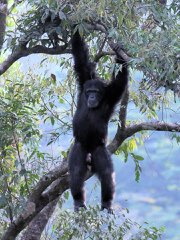 Western Area Peninsula forest — the dawn chorus above FreetownA rainforest dawn chorus 30 minutes from the capital: hornbills, turacos, greenbuls, sooty mangabey whoops, and at night the astonishing screams of tree hyrax and the pant-hoot chorus of Tacugama's 100+ rescued chimpanzees.
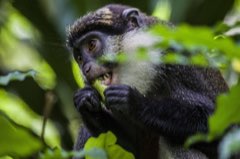 Lama forest and Lokoli swamp: red-bellied monkeys and the last forest chorus of the Dahomey GapGreat blue turacos and yellow-casqued hornbills in a 2,000 ha island of semi-deciduous forest surrounded by farmland — the fullest forest chorus in Benin — with red-bellied monkeys' soft calls in the understorey and, at Lokoli, a swamp forest of frogs, kingfishers and dripping trees from a dugout.
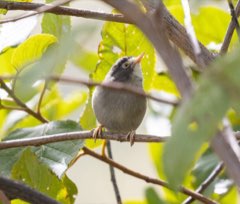 Mount Cameroon: francolin and speirops on the volcano's slopesThe rasping, far-carrying crow of the Mount Cameroon francolin from the forest edge at dawn, speirops flocks chattering through the canopy, montane greenbuls and sunbirds — the only place on earth for two of these — with the wind on the open slopes above.
More: all spectacles in Angola · dawn choruses · Angola in October · Angola in November