
Hooded vultures of the Kombo coast — Africa's densest population at the fish beaches and abattoirs
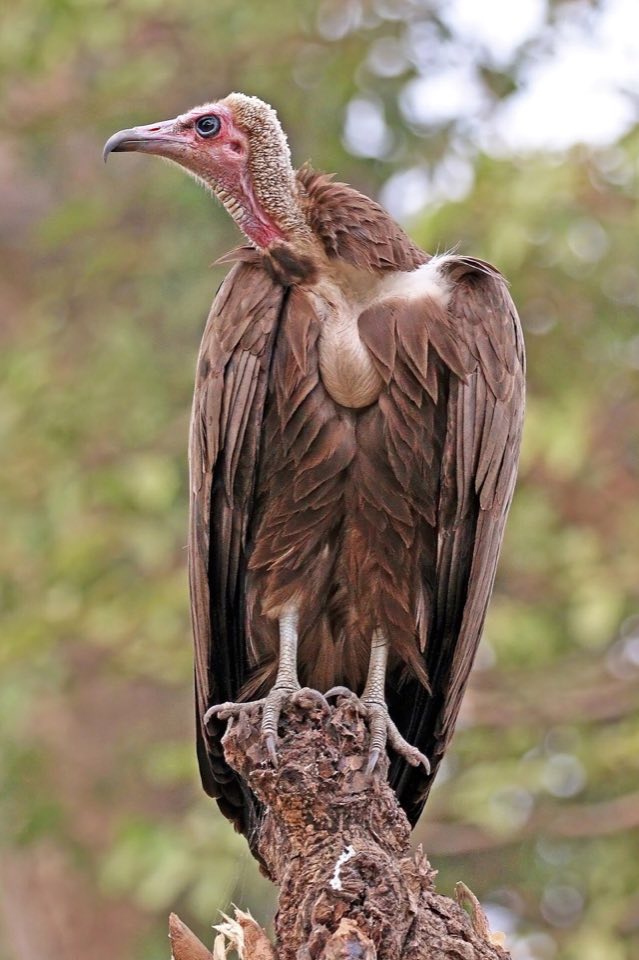
Hooded vulture (Necrosyrtes monachus, critically endangered; road counts of about 33 birds per km on the West Coast in November 2017 — the highest density in Africa), with palm-nut vulture, yellow-billed and black kites, pied crows. West Coast Region — Tanji, Kotu, Serekunda, Brikama, Abuko, The Gambia.
Best time: 1 Nov – 28 Feb (November to February). Where: Tanji fish-landing beach, Kotu bridge and the hotel strip, Abuko Nature Reserve edge (The Gambia). Time of day: Mid-morning at the fish-landing beaches when the pirogues come in and the smoking ovens are stoked (09:00–12:00).
- You can go on your own
- Free
- No binoculars needed
- Sound 2/5
Open it in the interactive calendarSunrise and sunset listening times for the day you pick, and the map.
When is the best time?
Peak: 1 Nov – 28 Feb. All year; biggest gatherings November to February in the breeding season when counts are highest and the fish beaches and abattoirs draw flocks of 50–250 birds
Active from 1 Jan to 31 Dec (all year) in a typical year.
Time of day
Mid-morning at the fish-landing beaches when the pirogues come in and the smoking ovens are stoked (09:00–12:00); evening roost flights into the tall kapoks and palms from an hour before sunset
- Fish-beach gathering: 09:00 → 12:00
- Roost flights: 1 h before sunset → sunset
What will you hear?
Mostly silent birds in enormous numbers: the hiss and thin squealing at a carcass or fish-gut pile, the clatter of 200 pairs of wings lifting at once when a dog runs through, the thud of landings in the kapok roost at dusk. The real soundscape is the fish beach itself — pirogue crews, drying racks, gulls, kites and the vultures' shuffle. A phenomenon that no longer exists anywhere else in the species' range.
Binoculars?
No binoculars needed. The vultures stand within 5–20 m of you on the beach and the roadside; no optics needed, a long lens for the squabbles.
Where to go
- Tanji fish-landing beach — The biggest single gathering: hundreds of hooded vultures among the pirogues, gulls and terns as the catch is landed and gutted. Public beach in the fishing village. Map
- Kotu bridge and the hotel strip — Vultures on every roof, lamp post and lawn of the tourist strip; the Kotu creek bridge and the sewage ponds at dusk for the roost flights. Map
- Abuko Nature Reserve edge — The reserve's kapoks and the surrounding villages hold roosts and nests; the Brikama road verge is a classic count transect. Map
How to go on your own, and what it costs
Any taxi or gelly-gelly to Tanji (coast road south of the Kombo hotels, 20 min from Kotu) — walk onto the fish beach late morning. Kotu needs no transport at all from the hotels. Abuko by taxi on the Brikama road (small reserve fee if you go in). Free, every day.
Cost: Free (2026); Abuko reserve entry about 150 GMD if you enter (check current prices).
Field-recording notes
Ethically straightforward (no disturbance — the birds ignore people) but acoustically messy: fish beaches are loud with people, outboards and gulls; the wing-clatter when a flock lifts is the moment. Avoid the abattoirs unless you are comfortable there and have asked permission. Roost trees are in villages — greet the compound owner. Poisoning and belief-based killing are the threats; do not advertise exact roost or nest trees in public posts. No permits needed; Parks and Wildlife for anything commercial.
Sources
- The Peregrine Fund – Examining Hooded Vulture habitat suitability in The Gambia (urban affinity, dumps, slaughterhouses, roadsides)
- The Peregrine Fund – Community attitudes toward Hooded Vultures in The Gambia (one of the highest densities in Africa; threats)
- Wikipedia – Hooded vulture (West Coast Region highest density; flocks of 50–250 at abattoirs; stable Gambian population)
Similar spectacles
 Marmots, ibex and vultures, Hohe TauernMarmot alarm whistles bouncing between glacier-polished walls, chough flocks, ibex hoof-clatter, the wing-rush of a griffon passing at 20 m, ptarmigan; glacier streams and cowbells below.
 Griffon cliffs: Hoces del Duratón, Hoces del Riaza and MonfragüeA griffon colony settling at dusk is a surprisingly loud thing: hisses, grunts and cackles from hundreds of birds squabbling over ledges, the rush of wings passing at head height, choughs and alpine swifts along the wall and, after dark in winter, eagle owls hooting across the gorge.
 Griffon vultures of the Bosa coast, SardiniaMostly visual: Italy's largest griffon colony riding the updraughts of volcanic sea cliffs. Sound is the Mediterranean swell under the cliffs, the wing-rush of birds passing close, hissing at the ledges, blue rock thrush and, in summer, Eleonora's falcons chattering along the coast.
 Rook & jackdaw winter roostTens of thousands of corvids arriving in waves, calling in a rising roar, then a sudden collective drop into the wood.
 The Afi Mountain barn swallow roostA rising hiss of millions of wings and contact calls as the swallows swirl and drop into the grass on the mountain's western slopes, falcons stooping through the flock, and then the extraordinary, very quiet murmur of a settled roost after dark.
 Starling murmurationsThe whoosh of tens of thousands of wings turning together, then a huge chattering as they settle into the reeds or under a pier; the dawn explosion out of the roost is even louder.
More: all spectacles in The Gambia · vultures · murmurations and roosts · The Gambia in January · The Gambia in February · The Gambia in November · The Gambia in December