
Brown bears from forest hides, Kočevsko
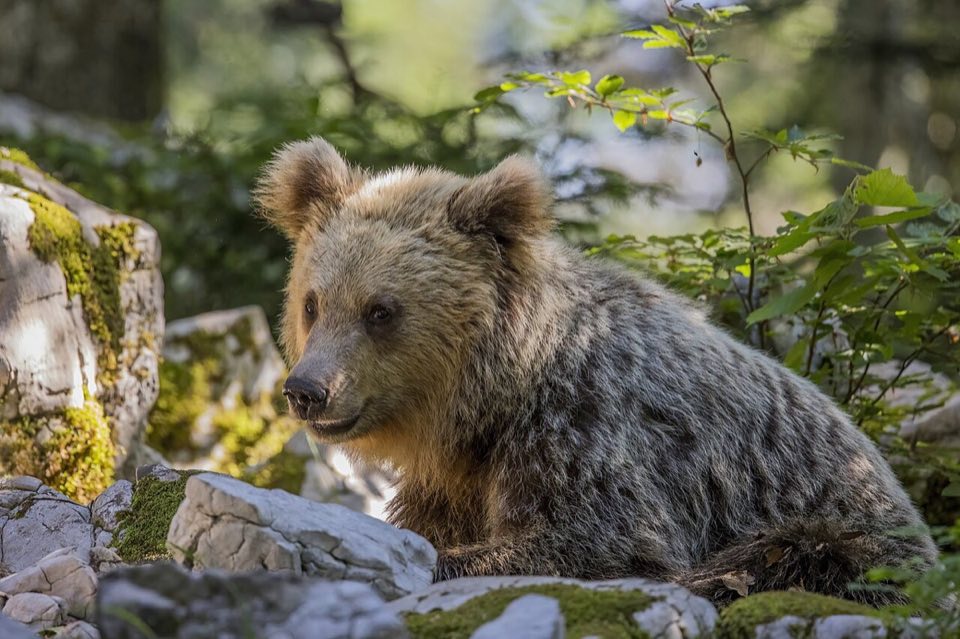
Brown bear (Ursus arctos); also red deer, wild boar, dormice at the same hides. Kočevsko / Kočevski Rog, Dinaric forests, Slovenia.
Best time: 15 May – 15 Jul (May to July). Where: Kočevska Reka / Kočevski Rog hides (Slovenia Forest Service concession), Rajhenavski Rog virgin forest and Baza 20, Mašun, Snežnik plateau (Slovenia). Time of day: Hide sessions run from mid afternoon to dark, typically 16:00–21:00 (you enter before the bears move).
- Guide, ranger or boat needed
- Paid trip only
- Binoculars helpful
- Sound 3/5
Open it in the interactive calendarSunrise and sunset listening times for the day you pick, and the map.
When is the best time?
Peak: 15 May – 15 Jul. Mid May to mid July (mating season, long evenings); guided hides run roughly April to mid September
Active from 15 Apr to 15 Oct (April to October) in a typical year.
Time of day
Hide sessions run from mid afternoon to dark, typically 16:00–21:00 (you enter before the bears move); bears come to the bait from about 2 h before sunset, most visits in the last hour of light and the first half hour of dusk.
- Hide session: 16:00 → 30 min after last light
What will you hear?
Bears are mostly quiet: heavy footfalls in beech litter, sniffing, huffing and jaw-popping when nervous, cubs squalling, mating-season moans; the surrounding evening chorus (wood warbler, Ural owl at dusk, red deer) is the real soundscape.
Binoculars?
Binoculars helpful. Bears come to 20–40 m of the hide in the last light; binoculars help in the dusk gloom, nothing more.
Where to go
- Kočevska Reka / Kočevski Rog hides (Slovenia Forest Service concession) — Raised wooden hides 4–6 people, 70–80% success. Booked through Kočevsko tourism or licensed operators — no independent hide use. Map
- Rajhenavski Rog virgin forest and Baza 20 — Old-growth beech-fir; day walks only, primeval forest reserve is off-trail forbidden. Map
- Mašun, Snežnik plateau — Southern bear core area; hides run from Ilirska Bistrica side, bear density among the highest in Europe. Map
How to go on your own, and what it costs
The hides are a Slovenia Forest Service concession and can only be used on a booked, guided session (Zavod Kočevsko or licensed operators; April to mid September, afternoon to dark). Independent bear-watching from hides is not offered. Walking the public forest roads at dusk is legal and free, but encounters are chance and you must not bait.
Cost: Kočevsko bear watching €270–€390 per person depending on group size (2026).
Free or no-guide alternative: No free hide route. Free and legal: walk the public forest roads of Kočevski Rog (Rog road, Baza 20) at dusk in June — bears cross the roads regularly, but it is luck, and the evening chorus is the reliable part. Make noise, carry no food, no baiting.
Who runs access
- Zavod Kočevsko – bear watching from hides (park authority) — Guided hide sessions, 70–80% success; booking online or bears@kocevsko.com.
Field-recording notes
Hides are baited, so you record a habituated animal at 20–40 m — acoustically honest but disclose it if you publish. Hides are wood and creak: set rigs before the guide closes the door, use a fixed boundary pair or a small tree outside the hide rather than handholding. The forest is very quiet (no roads within earshot at most hides) — mosquitoes and the guide's breathing are your noise floor. Never leave the hide, no lights, no playback; bears in Slovenia are a protected game species managed by the Forest Service and hide etiquette is a condition of the concession. Wear neutral-smelling clothing; ticks (TBE endemic) are the real hazard.
Sources
Similar spectacles
 Brown bears and wolves, Gorski kotar and VelebitBear footfalls, huffs and jaw-popping close to a hide; wolf packs howling across karst dolines in late summer; dormice and Ural owls at night; the Lika plateau is one of the quietest places in southern Europe.
 Cantabrian mountains: chamois rut, bears and wallcreepersChamois whistling alarms and clattering hooves on limestone, alpine chough flocks, wallcreeper thin whistles from the gorge walls, bells and the Cares river; bears are silent and distant.
 Manx shearwaters returning at nightHundreds of thousands of birds crashing in, with cackling, choking, hoarse calls from the air and burrows all around you.
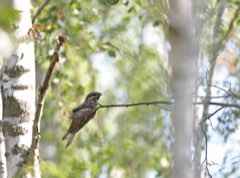 Nightjars churringContinuous mechanical churring with changes of gear, wing-claps, 'coo-ick' flight calls, with tree pipits and woodlarks at dusk.
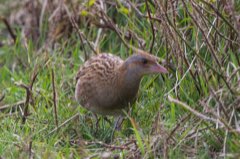 Corncrakes calling on Tory, Inishbofin and the MulletThe rasping 'crex-crex' of corncrakes from iris beds and nettle patches, several males answering across the island, with snipe drumming, the Atlantic on the rocks and sheep — one of the last places in western Europe you can still hear a corncrake night.
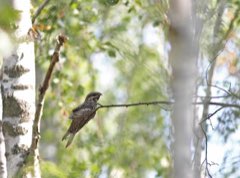 Nightjars churring on the Kalmthoutse HeideThe dry, sustained churr of nightjars from the pine edges, rising and falling as the bird turns its head, broken by 'kwik' calls and wing-claps; woodlarks' song at dusk, natterjacks rasping from the fens; the hum of the port of Antwerp on the horizon.
More: all spectacles in Slovenia · brown bears · wildlife at night · Slovenia in May · Slovenia in June · Slovenia in July