
Iona and the Namib coast: desert dawn, flamingos and the Cunene mouth
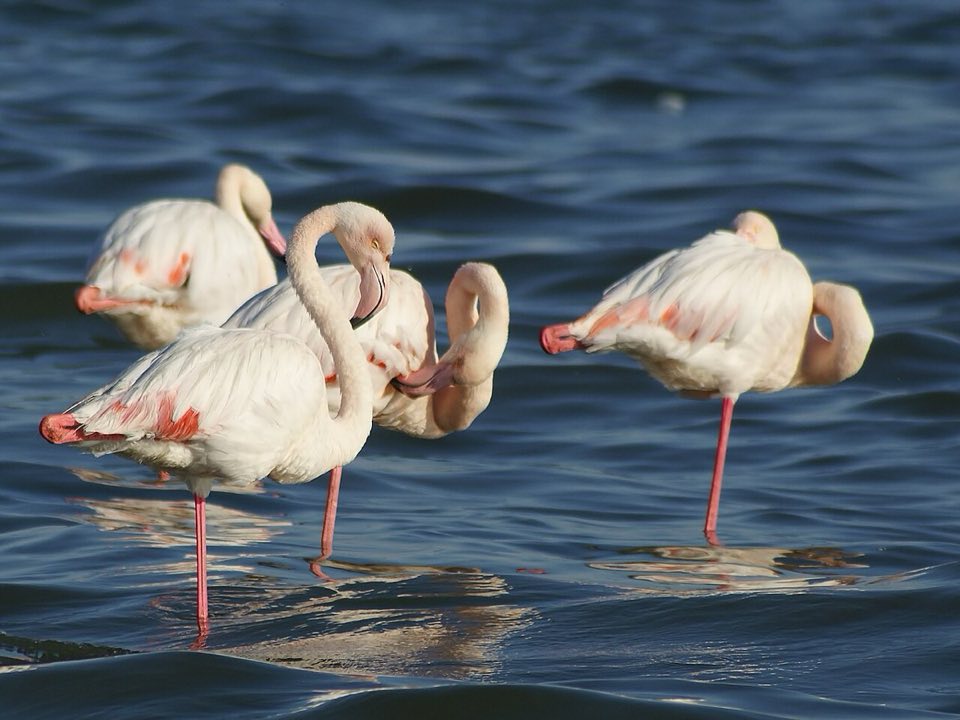
Greater flamingo flocks at Baía dos Tigres and the Cunene mouth, Cape cormorant, Damara tern, Palearctic waders; springbok, gemsbok, Hartmann's mountain zebra, brown hyena; Gray's lark, Benguela long-billed lark, Rüppell's korhaan. Parque Nacional do Iona, Namibe province, Angola.
Best time: 1 Aug – 15 Nov (August to November). Where: Baía dos Tigres, Foz do Cunene – Cunene river mouth, Iona village – park headquarters (Angola). Time of day: Desert birds and korhaans call from first light.
- Partly on your own
- Entry fee
- Binoculars essential
- Sound 3/5
Open it in the interactive calendarSunrise and sunset listening times for the day you pick, and the map.
When is the best time?
Peak: 1 Aug – 15 Nov. August to mid November: cool, dry and passable; flamingos and cormorants along the coast are best in October–November, and Palearctic waders arrive from September
Active from 1 May to 30 Nov (May to November) in a typical year.
Time of day
Desert birds and korhaans call from first light; flamingo flocks on the bay flats through the day; jackal and brown hyena at night around camp
- Desert dawn: first light → 09:00
- Flamingos on the flats: 3 h after sunrise → sunset
- Jackals & hyena: last light → 00:00
Depends on the tide: best around low tide. Check local tide tables.
What will you hear?
Rüppell's korhaan and larks in the absolute silence of the Namib at dawn, flamingo flocks on the Baía dos Tigres shallows, Cape cormorant colonies, the surf and fog of the Skeleton Coast's northern end, and jackals at night.
Binoculars?
Binoculars essential. Flamingo flocks on vast bay flats and korhaans on open gravel plains are far off; binoculars needed, scope for the bay.
Where to go
- Baía dos Tigres — Vast shallow bay with the flamingos and cormorants, reached along the beach at low tide from Tômbwa (4x4 convoy). Map
- Foz do Cunene – Cunene river mouth — The Namibian border; wetland with waders, flamingos and pelicans at the end of the Iona track. Map
- Iona village – park headquarters — African Parks base inland; the welwitschia plains and the Curoca river. Map
How to go on your own, and what it costs
Own 4x4 (or a shared one from Namibe) with fuel and water; register and pay entry at the Iona headquarters or the park's posts; the coast road to Tômbwa is public and the beach run to Baía dos Tigres is done in convoy on a low tide.
Cost: African Parks entry per person and vehicle; check current prices.
Free or no-guide alternative: The public Namibe–Tômbwa road and the Tômbwa bay itself are outside the park: flamingos, cormorants and the desert dawn for free. Baía dos Tigres and the Cunene need the park entry and the 4x4.
Field-recording notes
Iona has been managed by African Parks since 2019: entry fee and check-in at the headquarters, a guide where the park requires it, and a 4x4 with fuel and water for hundreds of kilometres — the beach route to Baía dos Tigres is tide-dependent and done in convoy. Landmine clearance in Namibe province is well advanced but stay on used tracks. Fog most mornings on the coast; wind from mid-morning; nights cold and silent. Photographing near the Namibian border post can draw questions.
Sources
Similar spectacles
 Flamingos and Palearctic waders on the Mussulo lagoonFlamingo flocks honking and murmuring on the shallows of the inner lagoon, whimbrel and grey plover across the flats at low tide, terns over the channel and, on the city side, Luanda's traffic and the port.
 Diawling floodplain — pelicans, flamingos and Palearctic ducksPelican flotillas grunting, garganey and pintail flocks whirring off the flooded basins, flamingo chorus, and the low background of the Diama dam and the Senegal river.
 Tagus estuary in winter: flamingos, avocets and 100,000 waterbirdsFlamingo flocks honking as they move between the estuary and the Lezíria rice fields, avocet and godwit roosts chattering on the salinas at high tide, teal whistling on the lagoons and the great winter silence of the open marsh broken by hunters' shots outside the reserve.
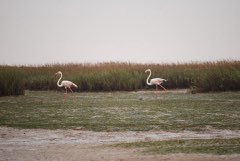 Saharan lagoons — Khnifiss and Dakhla Bay in winterFlamingo honking in the hundreds across a lagoon with no other sound at all, wader flocks lifting, the rattle of royal and Caspian terns, and on Dakhla Bay the blow of a humpback dolphin close to shore.
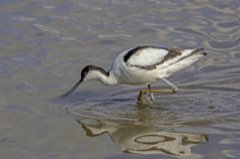 Sidi Moussa–Oualidia lagoons — 10,000 waders, flamingos and the salt-pan roostsAvocet and stilt yelping over the salt pans, godwit and dunlin flocks whirring up at each marsh harrier, flamingo honking from the lagoon, slender-billed gulls — against surf on the dune bar and the oyster farms' outboards.
 Somone lagoon — pelicans, flamingos and the sandbank roost on the Petite CôtePelican wings and bill-clapping as the flock lands, tern and gull roost clamour, flamingo honks, spoonbills and herons in the mangrove, osprey whistles — small-scale next to the Saloum but the closest proper lagoon roost to the Saly resorts, and quiet at dawn before the jet-skis.
More: all spectacles in Angola · flamingos · bird migration hotspots · Angola in August · Angola in September · Angola in October · Angola in November