
Sagres: the south-west corner — raptor passage and seabirds off Cape St Vincent
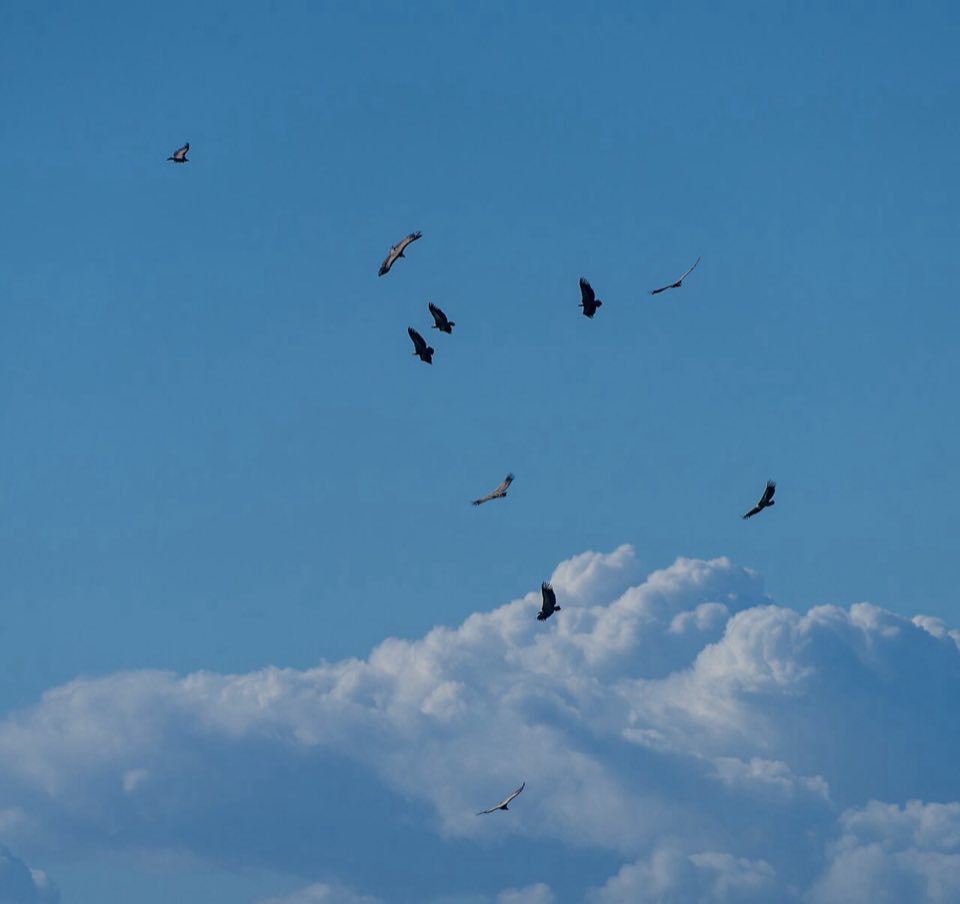
Griffon & Egyptian vulture, booted & short-toed eagle, honey buzzard, black kite, Montagu's harrier, sparrowhawk, hobby; Cory's & Balearic shearwater, gannet offshore; red-billed chough. Sagres peninsula, Vila do Bispo, Algarve, Portugal.
Best time: 20 Sep – 25 Oct (September to October). Where: Cerro da Cabranosa, Vale Santo plateau, Cabo de São Vicente lighthouse (Portugal). Time of day: Soaring birds start lifting off the Vale Santo plateau as thermals build, about 2–3 h after sunrise, and pass over Cabranosa until mid afternoon.
- You can go on your own
- Free
- Telescope recommended
- Sound 2/5
Open it in the interactive calendarSunrise and sunset listening times for the day you pick, and the map.
When is the best time?
Peak: 20 Sep – 25 Oct. Late September to late October; the Sagres Birdwatching Festival sits on the peak in the first week of October, and the big griffon flocks come through last, at the end of October
Active from 15 Aug to 15 Nov (August to November) in a typical year.
Time of day
Soaring birds start lifting off the Vale Santo plateau as thermals build, about 2–3 h after sunrise, and pass over Cabranosa until mid afternoon; seabirds move past Cape St Vincent from first light, best in the first 2 h and again before sunset.
- Raptor passage: 2 h after sunrise → 15:30
- Seawatch, Cape St Vincent: sunrise → 2 h after sunrise
- Evening seawatch: 2 h before sunset → sunset
What will you hear?
Mostly a sky spectacle, but the Sagres plateau has its own soundtrack: red-billed chough flocks (one of Portugal's few colonies) calling over the fields, bee-eaters passing in September, and the Atlantic swell under the Cape St Vincent cliffs. The raptors themselves are silent.
Binoculars?
Telescope recommended. Kettles climb high over Vale Santo and griffons drift out to sea; binoculars for the choughs, a scope for the seabirds off the cape.
Where to go
- Cerro da Cabranosa — The classic watch point: a low hill north of Sagres where SPEA's volunteers and the festival count soaring birds; free, roadside, exposed. Map
- Vale Santo plateau — Private farmland between Sagres and Cape St Vincent where the raptors gather before crossing; watch from the public tracks, do not enter the fields. Map
- Cabo de São Vicente lighthouse — Seawatching headland: shearwaters, gannets and skuas stream past the lighthouse; choughs on the cliffs. Map
- Forte do Beliche — Festival base in early October (registration, free shuttle bus, talks). Map
How to go on your own, and what it costs
Cabranosa: from Sagres take the N268 north and turn on to the signed dirt track to Cabranosa (about 2 km north of the town); park on the verge and walk to the top of the hill. Vale Santo: the public track from Sagres towards the cape runs along its edge. Cape St Vincent: the N268 ends at the lighthouse car park. Everything is free and open at all hours; the festival (first weekend of October, registration at Forte do Beliche) adds guided counts, ringing demonstrations and boat trips, many free with the participant wristband.
Cost: Free. Festival registration free; some festival boat trips are paid (check current prices at birdwatchingsagres.com).
Who runs access
- Sagres Birdwatching & Nature Activities Festival (CM Vila do Bispo / SPEA / Almargem) (NGO) — Early October; 200+ activities incl. guided counts at Cabranosa, ringing sessions, pelagic and dolphin boat trips
Field-recording notes
Open, windswept plateau — the SW wind is the limiting factor for any outdoor rig; a calm, clear morning after a northerly is what you want, and that is also when the birds move. Little to record from the raptors; target the chough flocks (unfenced fields, keep to tracks) and the cliff-base swell at the cape (tourist traffic and coaches at the lighthouse from mid morning — be there at dawn). Festival week brings 1,000+ birders onto Cabranosa. No restrictions on recording; the fields are private.
Sources
- Sagres Birdwatching & Nature Activities Festival
- SPEA – Birdwatching festival returns to Sagres
- Barlavento – migration watching at Cabranosa (2021)
Similar spectacles
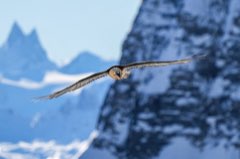 Bearded vultures and golden eagles of the EngadinSilence and wind — the recording is of the alpine air, chough flocks, marmots and the occasional whoosh of a 2.8 m wingspan overhead; the visual spectacle is the point.
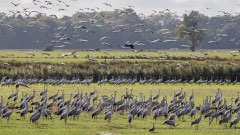 Crane autumn staging: Rügen-Bock, Linum, Diepholz, MüritzWaves of trumpeting families flying in at dusk, the roost's night-long murmur over shallow water, dawn's mass departure with tens of thousands calling at once; greylag and white-fronted geese in the same flights.
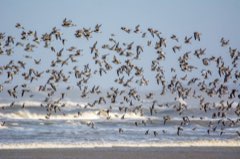 Wadden Sea autumn: millions of waders and geeseKnot and dunlin flocks in the tens of thousands wheeling with a rushing wing-roar, curlew and godwit calls at the roost, brent geese growling, barnacle geese yapping; wind, surf and the tide-edge trickle.
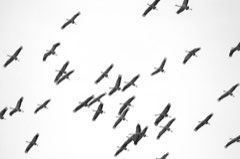 Cranes at Lac du DerTens of thousands of cranes bugling as they leave the lake at first light in wave after wave, then the evening return with the sky full of trumpeting skeins.
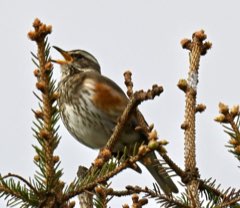 Autumn migration at Lista, Jomfruland and UtsiraDawn flight calls of thousands of thrushes, pipits and finches leaving the coast, waders on the Lista beaches, skuas and gannets passing the lighthouse in a westerly gale; at night, redwing and song thrush calls overhead.
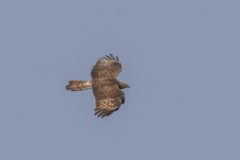 Falsterbo: Scandinavia's autumn migration funnelA continuous stream of flight calls at dawn — chaffinch, brambling, meadow pipit, yellow wagtail, siskin — thousands of birds an hour on a big day; cranes bugling high overhead in late Sept–Oct; the sea on both sides of the point.
More: all spectacles in Portugal · vultures · bird migration hotspots · Portugal in September · Portugal in October