
Saloum Delta — tern roosts, mangrove herons and wintering waders
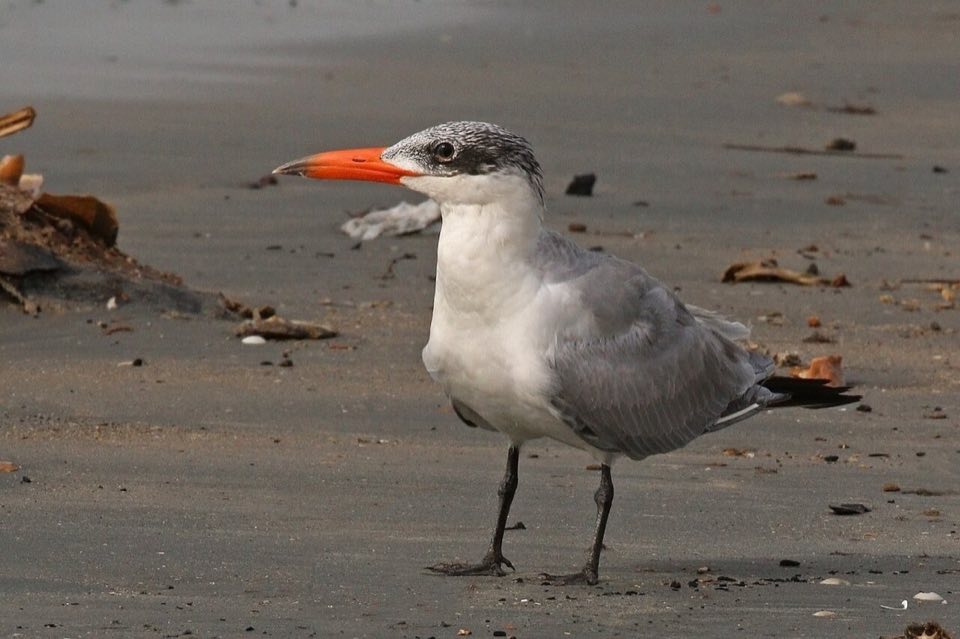
Royal, Caspian, sandwich and little terns; whimbrel, bar-tailed godwit, grey plover; goliath heron, African spoonbill, pelicans; West African manatee and bottlenose dolphins in the bolongs. Parc National du Delta du Saloum — Palmarin, Djiffer, Toubacouta, Senegal.
Best time: 15 Nov – 28 Feb (November to February). Where: Palmarin – lagoons and the Djiffer sandspit, Toubacouta – Bamboung bolong, Île des Oiseaux (Saloum mouth) (Senegal). Time of day: High-tide roosts in the 2 hours around high water.
- Partly on your own
- Low cost
- Binoculars essential
- Sound 4/5
Open it in the interactive calendarSunrise and sunset listening times for the day you pick, and the map.
When is the best time?
Peak: 15 Nov – 28 Feb. Mid November to end of February for Palearctic waders and terns; the royal tern colonies on the mouth islets form April–June
Active from 1 Oct to 30 Apr (October to April) in a typical year.
Time of day
High-tide roosts in the 2 hours around high water; dawn in the bolongs for herons, kingfishers and the mangrove chorus
- Mangrove dawn: first light → 2 h after sunrise
- Evening roost: 90 min before sunset → last light
Depends on the tide: best around high tide. Check local tide tables.
What will you hear?
Thousands of terns and waders on the sandbars of the Saloum mouth, the click and hiss of mangrove at low tide (mudskippers, fiddler crabs, snapping shrimp with a hydrophone), goliath heron's bark, and pied kingfishers everywhere.
Binoculars?
Binoculars essential. Tern roosts on sandbars across the river mouth from Djiffer are 300 m+ off; binoculars needed, scope better. Mangrove creeks are close.
Where to go
- Palmarin – lagoons and the Djiffer sandspit — Village lodges on the coast road; the Djiffer point looks across to the tern islets (Île des Oiseaux) at the river mouth. Map
- Toubacouta – Bamboung bolong — Pirogue base for the mangrove channels and the community marine protected area of Bamboung; night pirogues possible with local boatmen. Map
- Île des Oiseaux (Saloum mouth) — Sandbank islet with the royal tern colony and mass roosts; no landing in the breeding season, boats keep off. Map
How to go on your own, and what it costs
Sept-place to Joal or Palmarin, or Toubacouta on the Gambia road. The Palmarin lagoons and the Djiffer beach are free and walkable; the Bamboung community reserve and the park core need a boat (village pirogue hired on the spot) and inside the national park boundary a park fee and guide.
Cost: Shore free; village pirogue a few thousand to 15,000 CFA per boat-trip; park entry where it applies about 2,000 CFA (recent reports) — check current prices.
Free or no-guide alternative: Walk the Djiffer sandspit at high tide: the roosts and the tern islets are a few hundred metres across the mouth, free and without a boat.
Field-recording notes
Mangrove is a hydrophone landscape as much as an airborne one. Outboard pirogues are the main noise source — many boatmen will pole or paddle the last kilometre if asked and paid. Humidity is high even in the dry season and salt spray gets into everything on the coast side. UNESCO World Heritage and a national park: the Île des Oiseaux and other colony islets are closed in the breeding season, and a park fee and guide apply inside the park core, while the villages' community reserves (Bamboung, Palmarin) run their own cheap pirogue trips.
Sources
Similar spectacles
 Rook & jackdaw winter roostTens of thousands of corvids arriving in waves, calling in a rising roar, then a sudden collective drop into the wood.
 The Afi Mountain barn swallow roostA rising hiss of millions of wings and contact calls as the swallows swirl and drop into the grass on the mountain's western slopes, falcons stooping through the flock, and then the extraordinary, very quiet murmur of a settled roost after dark.
 Starling murmurationsThe whoosh of tens of thousands of wings turning together, then a huge chattering as they settle into the reeds or under a pier; the dawn explosion out of the roost is even louder.
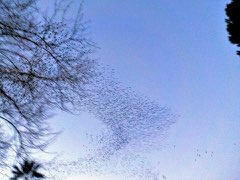 Starling murmurations in RomeMillions of starlings wheeling over the Tiber and EUR, then a massive chattering roar in the city trees against traffic and bells.
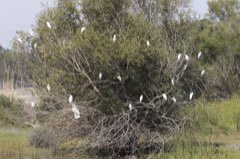 Marshall and Mesurado wetlands — Monrovia's mangrove roostsThousands of egrets and herons settling into mangrove roosts on the edge of the capital, waders on the Marshall bar, mangrove crackle, and from the Farmington river islands the pant-hoots of the rescued chimpanzee colonies at dusk.
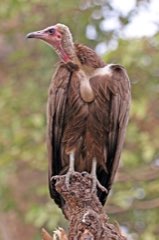 Hooded vultures of the Kombo coast — Africa's densest population at the fish beaches and abattoirsMostly silent birds in enormous numbers: the hiss and thin squealing at a carcass or fish-gut pile, the clatter of 200 pairs of wings lifting at once when a dog runs through, the thud of landings in the kapok roost at dusk. The real soundscape is the fish beach itself — pirogue crews, drying racks, gulls, kites and the vultures' shuffle. A phenomenon that no longer exists anywhere else in the species' range.
More: all spectacles in Senegal · murmurations and roosts · Senegal in January · Senegal in February · Senegal in November · Senegal in December