
Iberian wolf howling, Sierra de la Culebra
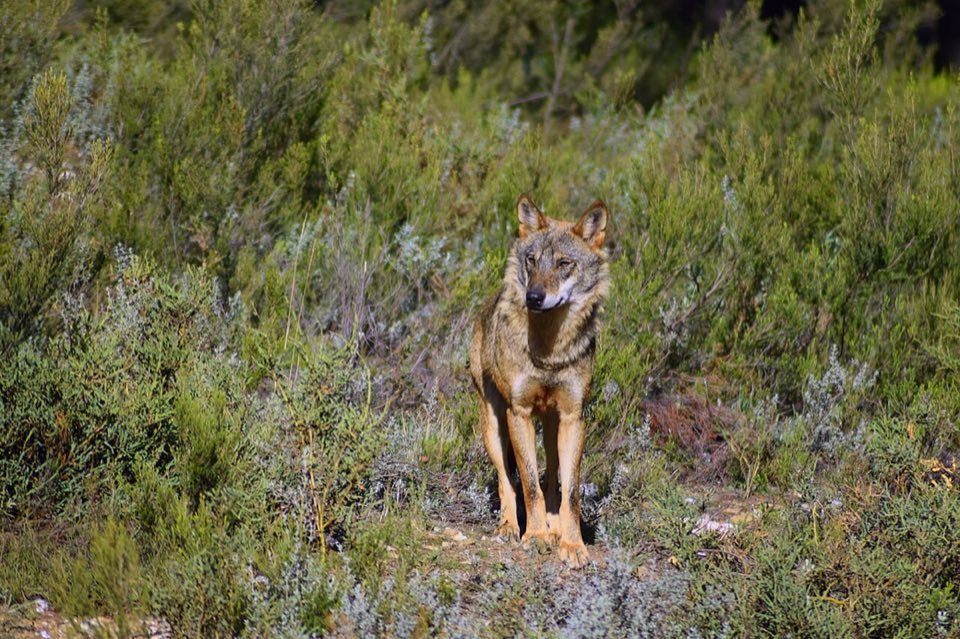
Iberian wolf (Canis lupus signatus). Zamora, Castilla y León, Spain.
Best time: 1 Aug – 30 Sep and 15 Jan – 28 Feb (January to February, August to September). Where: Villardeciervos, Centro del Lobo Ibérico, Robledo (Puebla de Sanabria), Ferreras de Arriba / Sesnández tracks (Spain). Time of day: Evening vigil from 2 h before sunset until dark, dawn vigil from an hour before sunrise.
- You can go on your own
- Free
- Telescope recommended
- Sound 4/5
Open it in the interactive calendarSunrise and sunset listening times for the day you pick, and the map.
When is the best time?
- Peak 1: 1 Aug – 30 Sep — August–September: pups at rendezvous sites answer best
- Peak 2: 15 Jan – 28 Feb — Mid January to February: mating season, pair and pack howling
Active from 1 Jan to 31 Dec (all year) in a typical year.
Time of day
Evening vigil from 2 h before sunset until dark, dawn vigil from an hour before sunrise; spontaneous howling is most frequent in the first 2–3 h after full dark and again before first light.
- Dusk vigil and howling: 2 h before sunset → 3 h after last light
- Dawn vigil: 1 h before first light → 2 h after sunrise
What will you hear?
Pack choruses with pups' yips across the heather-and-pine sierra, roe deer barks, and the deep quiet of one of the emptiest corners of Spain.
Binoculars?
Telescope recommended. Wolves are watched across clear-fells at 500 m+ in the last light; scope essential for sightings, howls need nothing.
Where to go
- Villardeciervos — Base village for the reserve; wolf-watching guides and the traditional viewpoints on the surrounding tracks. Map
- Centro del Lobo Ibérico, Robledo (Puebla de Sanabria) — Interpretation centre with captive wolves; useful for the ecology, not for wild recording. Map
- Ferreras de Arriba / Sesnández tracks — Open forestry tracks with long views over clear-fells and the fire-scarred 2022 area. Map
How to go on your own, and what it costs
Base yourself in Villardeciervos: the reserve's forestry tracks (Ferreras de Arriba, Sesnández, the Villardeciervos–Cional road) are public and open at all hours — drive to a viewpoint over a clear-fell 2 h before sunset, stay by the car, scan and listen. No playback (illegal without a research permit). Local guides know the current rendezvous valleys and are worth one night.
Cost: Free; local wolf-watching guides optional (check current prices).
Field-recording notes
The Culebra is a regional hunting reserve with among Europe's highest wolf densities; wolves are now fully protected in Spain, but deer and boar hunting continues (autumn–winter, daytime). Local guides know the rendezvous valleys — hire one for the first night. No howl playback: it is illegal here without a research permit and the local guides police it. Nights are cold and dry; noise floor is excellent.
Sources
- Centro del Lobo Ibérico de Castilla y León
- Junta de Castilla y León – Reserva Regional de Caza Sierra de la Culebra
Similar spectacles
 Wolf howling and Ural owls, Kočevski Rog nightsPack howls with high pup yips from rendezvous sites, carrying several km across karst dolines; Ural owl's deep barking 'wuh-wuh-wuho' and female's hoarse calls; Tengmalm's owl in late winter; red deer in the same windows from mid September.
 Wolf howlingChorus howls from family packs, including pups' high wavering howls, answering from across a valley.
 Brown bears and wolves, Gorski kotar and VelebitBear footfalls, huffs and jaw-popping close to a hide; wolf packs howling across karst dolines in late summer; dormice and Ural owls at night; the Lika plateau is one of the quietest places in southern Europe.
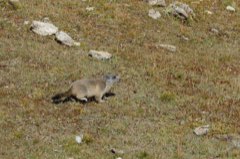 Mercantour summer: marmots, ibex and wolf countryMarmot alarm whistles across high cirques, ibex hooves on rock, alpine choughs and lammergeier wingbeats; wolf howls are possible but rare and never guaranteed.
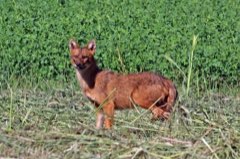 Golden jackal choruses of DalmatiaThe rising, yelping, quavering group howl of a jackal family — three or four voices climbing over each other for half a minute — answered from the next olive grove and the next, with scops owls, nightjars and crickets underneath on summer nights and silence and sea on winter ones.
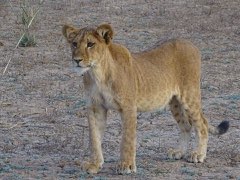 Pendjari: lions, elephants and hippos at the dry-season poolsLions roaring across the Pendjari plain in the small hours — one of the few places in West Africa where this is still likely — hippos bellowing at Mare Bali, elephants at the pools, hyena whoops and a savanna dawn of francolins, ground hornbills and doves.
More: all spectacles in Spain · wolves · wildlife at night · Spain in January · Spain in February · Spain in August · Spain in September