
Dawn choruses
62 dawn choruses along the East Atlantic Flyway, from Norway to Angola: when each one peaks, where to go on your own, what it costs and what you will hear. Wild animals only, no zoos.
Best time, place by place
Where to go, north to south
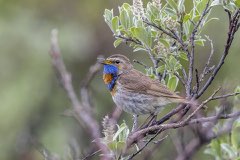 Midnight-sun taiga chorus in PasvikBluethroat and redwing song across bog and pine, brambling, cuckoo, whooper swans and cranes from the lakes, red-necked phalarope, spotted redshank, hawk owl screeching, the Pasvik river; a bear may pass — Norway's densest brown bear population.
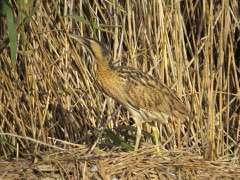 Tåkern: booming bitterns in Europe's biggest reedbedsThe deep, bottle-blown 'whump' of bitterns booming across the reeds, several males answering; reed, sedge and Savi's warblers, water rail squeals, cranes and geese; at Väversunda in late May the strange clicking display of great snipe towards nightfall.
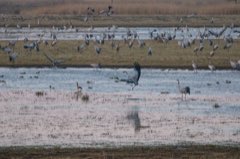 Cranes dancing on the dune heaths and bogsCrane pairs duetting and bugling across the wet dune slacks at first light, the dance's wing-flaps, curlew, golden plover and snipe drumming around them; ravens; the North Sea in Thy.
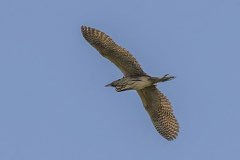 Vejlerne: bitterns, cranes and Northern Europe's largest reedbedsBittern booming from several directions at once, spotted crake whiplashes, water rail squeals, cranes trumpeting at dawn, bearded reedlings pinging, greylag families, black terns over the lagoons; wind in 8 km of reed.
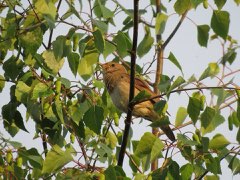 Thrush nightingale nights in eastern DenmarkThe thrush nightingale's slower, more percussive song than its southern cousin — loud whistles, clacking and rattles — from damp scrub, often several males in earshot; marsh warblers mimicking, woodcock roding overhead, cuckoo, grasshopper warbler.
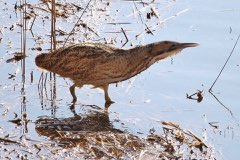 Bitterns boomingThe deep boom (fundamental around 150 Hz, carrying over 3 km), plus water rail squeals, reed and sedge warblers, and marsh harriers.
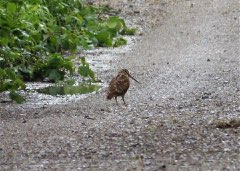 Woodcock rodingCroaking 'grunt-grunt-tswick' of males flying circuits over the canopy, often with nightjar or tawny owl later.
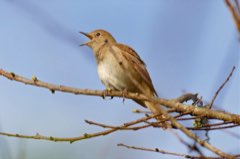 Nightingales singingFull nocturnal nightingale song, often with several males counter-singing; tawny owls and the first dawn birds behind.
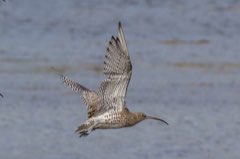 Upland wader breeding songBubbling curlew song, snipe drumming (tail feathers), lapwing display flights, the mournful golden plover whistle, and greenshank 'tew-tew' over bog pools.
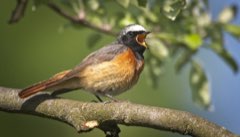 Woodland dawn chorus peakFull layered chorus: robin, blackbird and song thrush first, then wren, warblers, chaffinch; in western oakwoods add wood warbler trills, redstart and pied flycatcher.
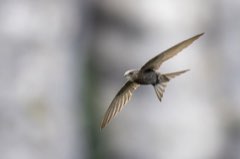 Swift screaming partiesHigh-speed screaming packs racing around rooftops, doppler passes at head height, and the sound of summer evenings.
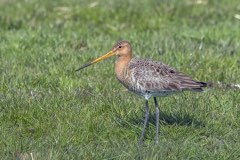 Meadow-bird chorus: godwits, redshanks and lapwings over the Frisian poldersThe 'grutto-grutto' yodel of godwits in tumbling display flight, redshanks' ringing calls, lapwings' wheezing aerobatics and wing-thrum, skylarks, snipe drumming and the bleating of hundreds of birds at once — the sound of the Dutch spring polder.
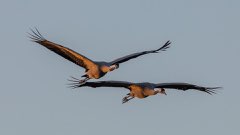 Müritz: cranes, ospreys and sea eagles in summerCrane pairs duetting at dawn from the bogs, bittern booming, osprey whistles over the lakes, eagle calls, woodlark and nightjar on the sandy heaths at dusk, marsh frogs; in autumn thousands of cranes flying into Rederangsee.
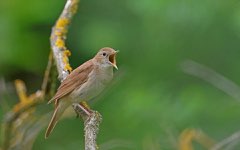 Berlin: the nightingale capitalDense nightingale song with several males counter-singing within 100 m, over a city bed — trains, sirens, the airport approach; in the Grunewald and on the Havel shores, a cleaner mix with tawny owl and reed warblers.
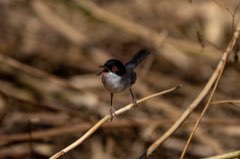 Garrigue dawn chorusA Mediterranean chorus quite different from the north: rattling Sardinian warblers, woodlark descending phrases, hoopoes, nightingales in every gully, bee-eaters overhead and cicada-free silence between.
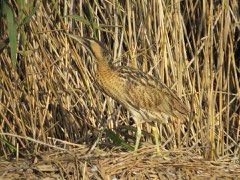 Marsh dawn chorus: Brière and DombesBittern booms across the reed, great reed warbler rasps, bluethroat song from the willows, heronries croaking, whiskered terns overhead, and a marsh frog chorus that runs all night.
 Brenne, land of a thousand pondsWhiskered tern colonies chattering over the water-lily beds, purple herons, little bittern barks, black-necked grebe trills, and at night a tree frog chorus from every pond.
 Bolle di Magadino: spring fall-outs and nightingalesNightingale night chorus in the riverside scrub, Cetti's explosions, reed and great reed warblers, cuckoo, penduline tit; tree frogs; waders on the delta mud; Lake Maggiore lapping.
 Reedbed dawn on Europe's largest steppe lakeGreat reed warbler's grating song from every reed clump, Savi's reeling, moustached warbler, bittern booming, marsh frogs, spoonbill colony chatter, black-headed gull colonies, the reeds themselves in the morning breeze.
 Thayatal: river gorge dawn, eagle owl and wildcat countryOak-hornbeam dawn chorus with collared flycatcher, wood warbler, both nightingale species meeting (thrush nightingale reaches here), golden oriole, kingfisher along the meandering Thaya, eagle owl from the gorge cliffs in late winter.
 Lake Cerknica reedbed chorus: bittern, crakes, great reed warblerBittern booming across open water, spotted crake's 'whit' whiplash all night, little crake, great reed and Savi's warblers, cuckoo, a huge pool/edible frog chorus underneath, corncrake from the wet meadows on the fringes.
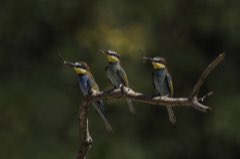 Mura floodplain dawn: orioles, bee-eaters, heronriesOriole fluting, cuckoo, nightingale, bee-eater 'prrup' flocks over the river, night heron croaks at dusk, stork bill-clattering from village nests, tree frogs from the oxbows.
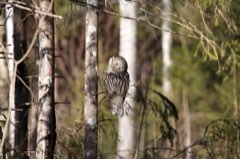 Plitvice and Lika beech-fir forests: owls, woodpeckers, dawn chorusMountain beech-fir chorus with collared flycatcher and wood warbler, three-toed and white-backed woodpecker drumming, pygmy owl whistles at dusk, Ural owl barking in March, the constant waterfall bed on the lakes themselves.
 Reedbed dawn chorus: great reed warbler, bittern, purple heronGrating great reed warbler song from every reed stem, bittern booms, little bittern barks, whiskered terns overhead and marsh frogs beneath.
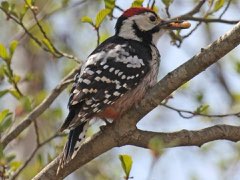 Apennine beech-forest dawn chorusOld-growth beech forest chorus with woodpecker drumming, flycatcher songs, and resonant forest acoustics.
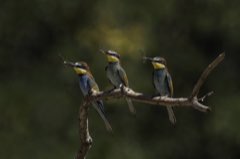 Bee-eater & roller coloniesRolling 'prruip' calls of bee-eaters overhead all day, the crow-like chatter of rollers.
 Swift screaming parties over old townsScreaming packs racing between palazzi, the deeper trilling of alpine swifts from cliff-like towers, bells and evening passeggiata below.
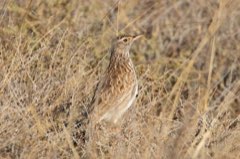 Steppe dawn: Dupont's lark and the Belchite larksDupont's lark's strange nasal, ventriloquial phrases from the dark steppe, then a wall of calandra lark song at sunrise, sandgrouse and stone-curlews — one of Europe's rarest dawn choruses.
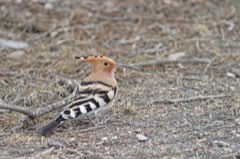 Dawn chorus of the Mediterranean scrub and dehesaNightingales as the backbone, golden orioles fluting from the poplars, azure-winged magpie flocks rasping through the cork oaks, hoopoes, bee-eaters and cuckoos — the classic Iberian spring chorus.
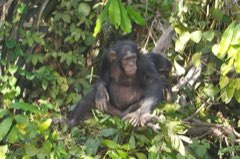 Dindéfélo — savanna chimpanzees pant-hooting under the Fouta Djallon escarpmentThe northern-most chimpanzee chorus in Africa: pant-hoots climbing to screams from the gallery forest under the escarpment, buttress drumming echoing off the cliff, baboons barking in reply, then the waterfall and a hornbill dawn. The village wakes with cockerels, mortars and the mosque — walk 20 minutes out and it is gone.
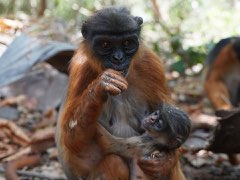 Abuko gallery forest — dawn chorus and monkeysRed colobus barks and crashing through the canopy, turacos' rolling calls, the hornbill pairs, and a full gallery-forest dawn 15 minutes from the coast hotels — the easiest West African forest chorus to reach.
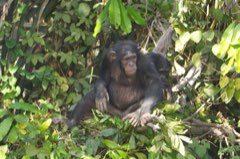 Chimpanzee dawn chorus in the Cantanhez forestsChimpanzee pant-hoot choruses and drumming carrying through the northernmost primary forest in Africa, colobus roars, hornbills' wingbeats and grey parrots' screeching over the oil-palm villages of the Nalu people.
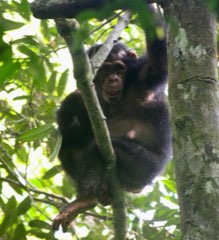 Mount Nimba — chimpanzees of Bossou and the Nimba highlandsStone-on-stone nut cracking and pant-hoots from the Bossou hills — the most-studied wild chimpanzees in West Africa — and above them the grassland-and-cloud-forest soundscape of Nimba: montane birds, wind in the ridge grass, and the tiny viviparous toad's calls in the wet season.
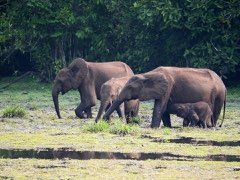 Ziama massif — forest elephants and the Guinean rainforest dawnA full Upper Guinea rainforest dawn — casqued hornbills' wingbeats and whooping, Diana monkeys, chimps, the great blue turaco — and at night the crash and rumble of forest elephants in one of their last Guinean refuges.
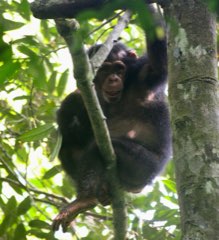 Loma Mountains: chimpanzees, rockfowl and the climb to BintumaniThe Upper Guinea forest below Bintumani at dawn: chimpanzee choruses carrying across the valleys, colobus roars, hornbills, greenbuls and the fluting of the forest robins; the streams at Camp 1; on the high ridge, wind, francolins and the calls of swifts around the summit rocks. Rockfowl are silent and found by their mud nests on the rock faces — a visual, not a sound.
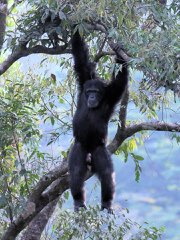 Western Area Peninsula forest — the dawn chorus above FreetownA rainforest dawn chorus 30 minutes from the capital: hornbills, turacos, greenbuls, sooty mangabey whoops, and at night the astonishing screams of tree hyrax and the pant-hoot chorus of Tacugama's 100+ rescued chimpanzees.
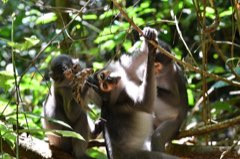 Tiwai Island — eleven primates and the Moa river dawnOne of the densest primate soundscapes in Africa: Diana monkeys' explosive alarm calls, red colobus chatter, the roar of king colobus, chimps' pant-hoots across the river, hornbills whooshing overhead, and the Moa river's rapids underneath.
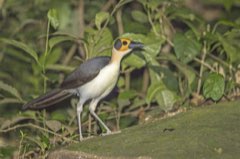 Gola Rainforest — picathartes, hornbills and the forest chorusThe Upper Guinea forest at full volume — hornbills, chimps, the bubbling of yellow-bearded greenbul, guineafowl clucking on the trail — and the near-silent arrival of picathartes to their mud nests under a boulder, with only wing-noise and soft croaks.
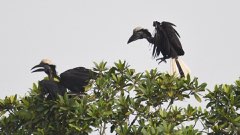 Gola Forest National Park (Liberia) — hornbills, picathartes and pygmy hippo countryHornbill wingbeats like distant trains, the whooping of yellow-casqued hornbills, chimps and colobus, and the near-silence of a picathartes colony arriving under a boulder at dusk.
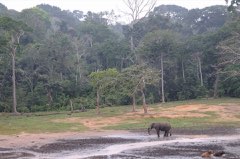 Sapo National Park — pygmy hippo, elephants and the deepest forest in West AfricaPrimary Upper Guinea rainforest with nothing man-made within a day's walk: casqued hornbills, chimps, Diana monkeys, the whistles of duikers, elephants rumbling at night, tree hyrax, and the full insect and frog layer of a forest that has never been logged.
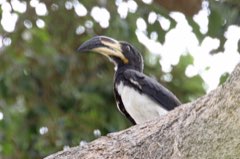 Banco forest dawn chorus inside AbidjanA relict rainforest chorus — greenbuls, cuckoos, hornbills and monkeys — with the Abidjan motorway as a constant low bed. Useful as a first morning in the country and as a way of understanding what the forest belt sounded like.
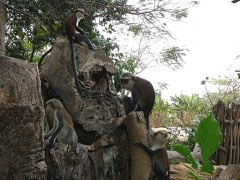 Sacred-grove monkeys at Tafi Atome and Boabeng-FiemaMona monkeys' booming male calls and chattering troops moving through the sacred grove, the deep rolling roar of male white-thighed colobus at dawn at Boabeng-Fiema, and a village waking up underneath.
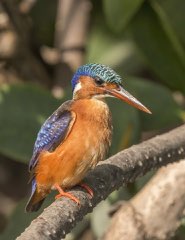 Amansuri wetland by canoe: Ghana's largest swamp forest and the Nzulezo stilt villageA paddled dugout through blackwater swamp forest: kingfishers, the yelps of monkeys, hornbills, herons lifting off the raffia, frogs along the channel and the drip of the forest canopy — then the open Amansuri lake and the sounds of a village on stilts: children, chickens, paddles.
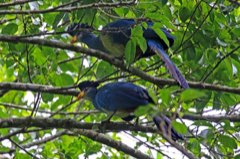 Upper Guinea rainforest dawn chorus — Kakum & AnkasaGreat blue turacos bubbling from the emergents, the far-carrying wailing of white-crested hornbills, yellow-casqued hornbills' whooshing wingbeats, chattering monkeys, cicadas switching on with the light and the screaming of tree hyrax at night.
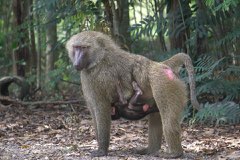 Baboons, bat caves and savanna dawn at Shai HillsBaboon barks echoing off the inselbergs, stone partridge and helmeted guineafowl at first light, and the squeaks and wing-flutter of bats streaming from the Sayu caves at dusk.
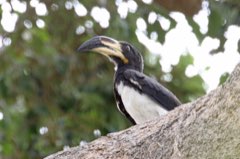 Forest dawn and butterflies around KpaliméThe fullest forest chorus in Togo — hornbills, cuckoos and greenbuls in the Klouto hills — with village cocks, cocoa farmers and the occasional motorbike.
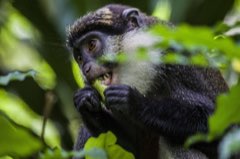 Lama forest and Lokoli swamp: red-bellied monkeys and the last forest chorus of the Dahomey GapGreat blue turacos and yellow-casqued hornbills in a 2,000 ha island of semi-deciduous forest surrounded by farmland — the fullest forest chorus in Benin — with red-bellied monkeys' soft calls in the understorey and, at Lokoli, a swamp forest of frogs, kingfishers and dripping trees from a dugout.
 Amurum Forest and the Jos Plateau: rock-fig dawn and wet-season songA plateau soundscape at 1,200 m: rock firefinches and indigobirds among the boulders, sunbirds in the gallery forest, cisticolas over the grassland, with Jos's mosques and traffic far below on still mornings.
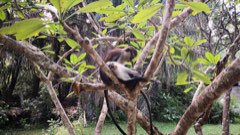 Lekki Conservation Centre: mona monkeys and swamp-forest birds in LagosMona monkeys' calls and crashes in the swamp forest, weavers and kingfishers along the boardwalk, and the Lekki–Epe expressway as a constant bed. A place to test rigs and get a first Nigerian forest recording, not a wilderness.
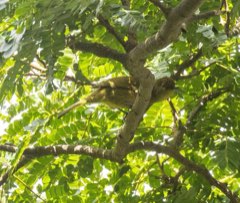 Obudu Plateau and Becheve: montane forest song of the Cameroon highlandsA cool, high-altitude chorus at 1,600 m — montane greenbuls, robin-chats and babblers from the forest patches, weavers on the edges — with cattle bells on the grassland and, on clear mornings, almost nothing else.
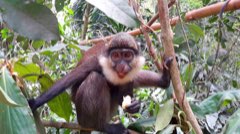 Okomu: the white-throated monkey's forest and a 43-metre tree house at dawnA lowland forest dawn from above the canopy: hornbills whooshing past at eye level, the chatter and 'pyow' alarm of white-throated and putty-nosed monkeys, mangabey whoops, grey parrots screaming to the fig trees, cicadas rising with the light; at night from the stilt chalets, tree hyrax, owls and, with luck, the crash of elephants in the swamp forest.
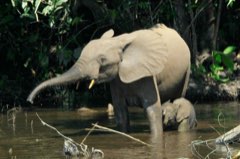 Omo Forest: forest elephants and a lowland-forest dawnA lowland rainforest dawn an hour and a half from Lagos — hornbills, turacos, chattering mangabeys — and at night the breaking branches, rumbles and occasional trumpet of elephants moving past the camp.
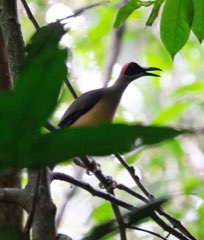 Korup: drills, red colobus and the oldest rainforest dawn in AfricaDrill and mangabey troops crashing and grunting through the understorey, red colobus shrieks, chimpanzee pant-hoots at a distance, hornbills, the buzz of cicadas at first light and, from the Rengo camp, a night of tree hyrax and frogs over the Mana river.
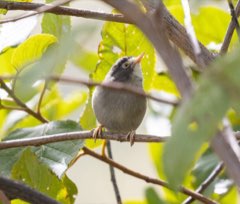 Mount Cameroon: francolin and speirops on the volcano's slopesThe rasping, far-carrying crow of the Mount Cameroon francolin from the forest edge at dawn, speirops flocks chattering through the canopy, montane greenbuls and sunbirds — the only place on earth for two of these — with the wind on the open slopes above.
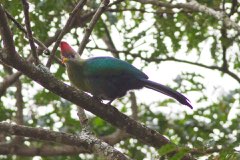 Kilum-Ijim: Bannerman's turaco and the Mount Oku forestThe deep, hoarse 'kow-kow-kow' of Bannerman's turaco rolling across the last big montane forest of the Bamenda highlands, wattle-eyes and apalises in the understorey, and cattle and church bells from the villages below.
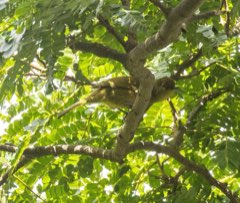 Mount Kupe and the Bakossi mountains: montane forest songThe loud, ringing whistles of the Mount Kupe bushshrike — one of Africa's rarest birds — from the mid-altitude forest, babbler flocks, montane greenbuls and, at the rockfowl rocks, the near-silent presence of the birds themselves.
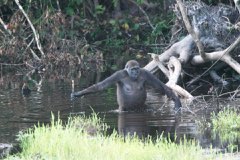 Monte Alén: the Río Muni rainforest dawn, elephants and the goliath frog riversA Central African lowland chorus: hornbills whooshing overhead, the bubbling of greenbuls and the far pant-hoots of chimpanzees, mandrill grunts, elephant rumbles at the swamp edge. The goliath frog itself is nearly silent (no vocal sac) — its rivers are a night of other frogs and the roar of water over rock.
 Obô forest dawn: São Tomé's endemic birds above Bom SucessoA dawn chorus made of species found nowhere else: the oriole's fluting, the thrush, the weavers' chatter, the giant sunbird's rattle from the canopy, speirops flocks; the croak of the dwarf olive ibis in the deep forest at Monte Carmo in the first light, and the scops owl's whistle after dark. Dripping forest, streams, no traffic.
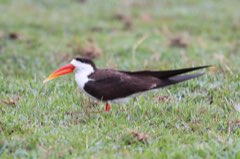 Brazzaville: the Congo river and the Djoué at dawnNot a spectacle but a way in: the Congo river's rapids below the city, kingfishers and herons at the Djoué mouth, weaver colonies in the riverside trees, and the two capitals' noise across the water.
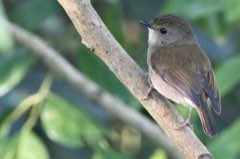 Kumbira forest: the Gabela endemics at dawnRed-crested turacos croaking through the coffee-forest canopy, the loud, ringing calls of Monteiro's and Gabela bushshrikes, the akalat's thin song in the understorey — a set of species found nowhere else on earth — with farm cocks, goats and the Conda road in the background.
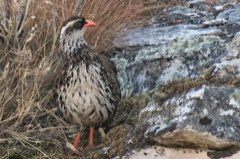 Mount Moco: Swierstra's francolin and the Afromontane forestThe loud, rasping crow of Swierstra's francolin — Angola's most wanted bird — from the remnant forest patches at dawn, sunbirds and batises in the trees, and the wind over montane grassland at 2,400 m with a village waking far below.
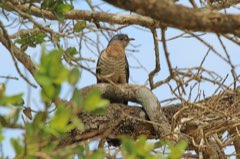 Miombo woodland at the first rains: cuckoos, barbets and frogsThe full southern-African miombo dawn — cuckoos calling in every direction, barbets duetting, tinkerbirds' endless popping, orioles and the red flush of new leaves — and after the first storms the pans erupt with reed frogs and bullfrogs at night.