
Reedbed dawn on Europe's largest steppe lake
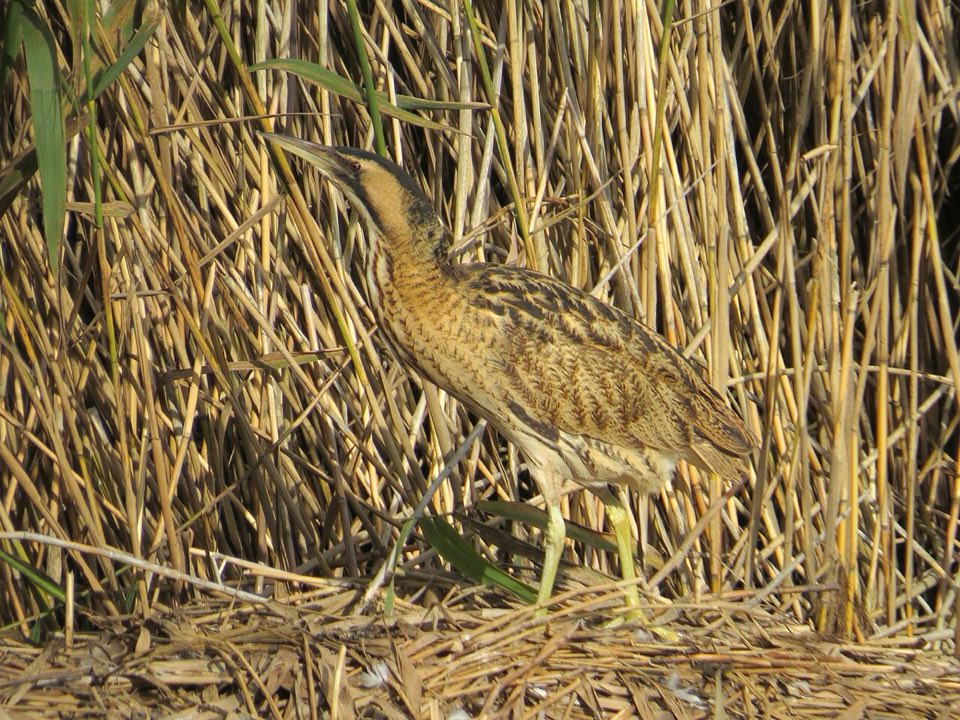
Bittern, little bittern, moustached, great reed and Savi's warbler, bearded reedling, bluethroat, spoonbill and heron colonies, marsh harrier; frogs. Neusiedler See reed belt, Burgenland, Austria.
Best time: 25 Apr – 5 Jun (April to June). Where: Illmitz – Seedamm reed path and Biologische Station, Oggau – Schilfgürtel (west shore), Hanság – Waasen (Tadten) (Austria). Time of day: Chorus from 04:00 (an hour before sunrise in May) to 08:00, before the wind.
- You can go on your own
- Free
- Binoculars helpful
- Sound 5/5
Open it in the interactive calendarSunrise and sunset listening times for the day you pick, and the map.
When is the best time?
Peak: 25 Apr – 5 Jun. Last week of April to early June
Active from 1 Apr to 10 Jul (April to July) in a typical year.
Time of day
Chorus from 04:00 (an hour before sunrise in May) to 08:00, before the wind; bittern and little bittern from sunset into the night.
- Dawn chorus: 1 h before sunrise → 150 min after sunrise
- Dusk bitterns: 30 min before sunset → 2 h after last light
What will you hear?
Great reed warbler's grating song from every reed clump, Savi's reeling, moustached warbler, bittern booming, marsh frogs, spoonbill colony chatter, black-headed gull colonies, the reeds themselves in the morning breeze.
Binoculars?
Binoculars helpful. Warblers sing from the reeds beside the Seedamm road; binoculars for spoonbills and harriers over the belt.
Where to go
- Illmitz – Seedamm reed path and Biologische Station — Road through the 3 km reed belt to the lake bath; night-quiet, every reed species within reach. Map
- Oggau – Schilfgürtel (west shore) — Reed canals and observation tower; west shore is quieter than the east. Map
- Hanság – Waasen (Tadten) — Drained fen meadows and canals east of the lake; cranes, bluethroat, corncrake at night. Map
How to go on your own, and what it costs
Illmitz Seedamm: drive or cycle the 3 km reed road to the lake bath before dawn — free. Oggau: the reed canals and tower from the village. Hanság: the Tadten roads. Boat access to the reed channels only on ranger boat tours (park permit).
Cost: Free; ranger boat tours (check current prices).
Who runs access
- Nationalpark Neusiedler See – Seewinkel ranger boat tours (park authority) — Guided boat tours into the reed belt in season.
Field-recording notes
The reed belt is mostly unreachable except along canals and the Seedamm roads — which is fine, because the sound comes to you. Wind is the enemy from mid-morning; the reed itself becomes a noise source above Beaufort 3. Mosquitoes from May. Bird colonies in the reed are core zones; boat access to the reed channels needs a national park permit (rangers run boat tours). The Illmitz Seedamm road has bathers' traffic from 09:00 in summer, none at dawn. No playback for bittern or crakes.
Sources
Similar spectacles
 Midnight-sun taiga chorus in PasvikBluethroat and redwing song across bog and pine, brambling, cuckoo, whooper swans and cranes from the lakes, red-necked phalarope, spotted redshank, hawk owl screeching, the Pasvik river; a bear may pass — Norway's densest brown bear population.
 Tåkern: booming bitterns in Europe's biggest reedbedsThe deep, bottle-blown 'whump' of bitterns booming across the reeds, several males answering; reed, sedge and Savi's warblers, water rail squeals, cranes and geese; at Väversunda in late May the strange clicking display of great snipe towards nightfall.
 Cranes dancing on the dune heaths and bogsCrane pairs duetting and bugling across the wet dune slacks at first light, the dance's wing-flaps, curlew, golden plover and snipe drumming around them; ravens; the North Sea in Thy.
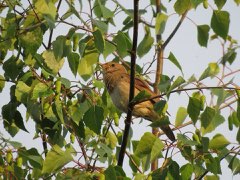 Thrush nightingale nights in eastern DenmarkThe thrush nightingale's slower, more percussive song than its southern cousin — loud whistles, clacking and rattles — from damp scrub, often several males in earshot; marsh warblers mimicking, woodcock roding overhead, cuckoo, grasshopper warbler.
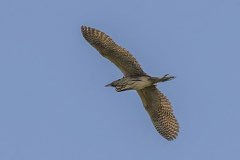 Vejlerne: bitterns, cranes and Northern Europe's largest reedbedsBittern booming from several directions at once, spotted crake whiplashes, water rail squeals, cranes trumpeting at dawn, bearded reedlings pinging, greylag families, black terns over the lagoons; wind in 8 km of reed.
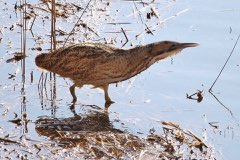 Bitterns boomingThe deep boom (fundamental around 150 Hz, carrying over 3 km), plus water rail squeals, reed and sedge warblers, and marsh harriers.
More: all spectacles in Austria · dawn choruses · Austria in April · Austria in May · Austria in June