
Mount Nimba — chimpanzees of Bossou and the Nimba highlands
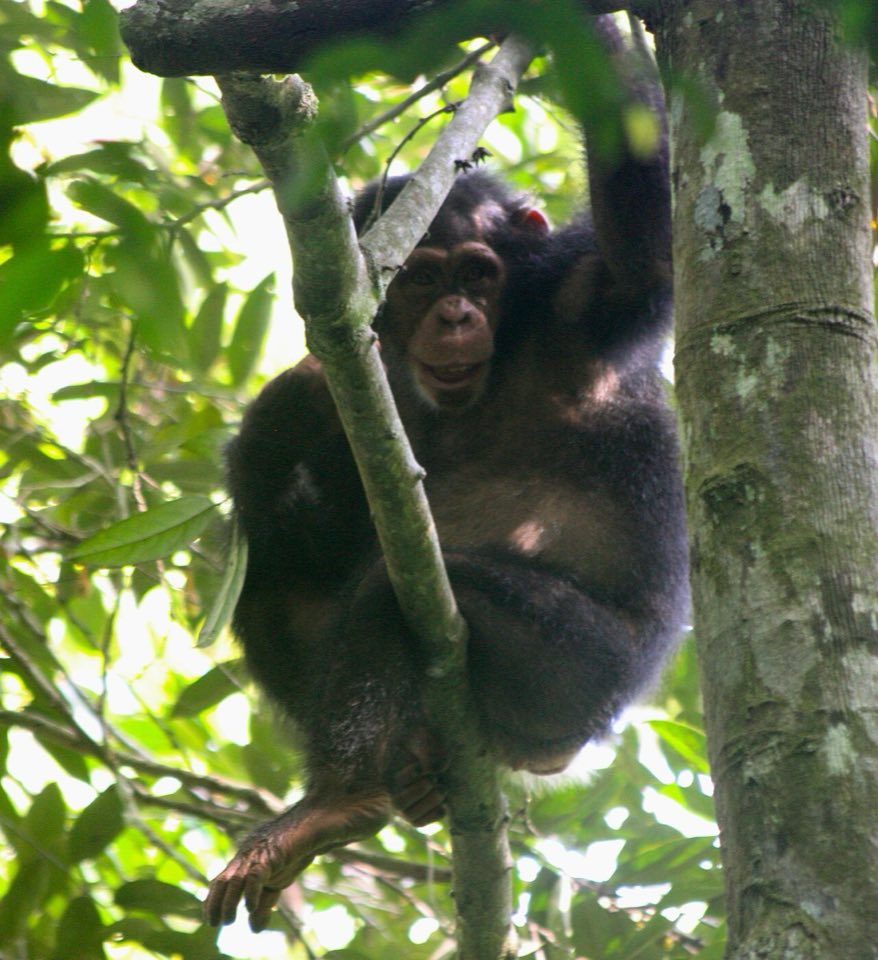
Western chimpanzee (Pan troglodytes verus — the Bossou stone-tool-using community), Nimba viviparous toad (Nimbaphrynoides occidentalis), Nimba otter shrew, Lamotte's roundleaf bat; montane frogs and birds. Monts Nimba, Lola prefecture (Guinée forestière), Guinea.
Best time: 1 Dec – 31 Mar (December to March). Where: Bossou village and hills, Mont Nimba Strict Nature Reserve (Guinean sector), Lola (Guinea). Time of day: Pant-hoots and nut-cracking from first light to mid morning.
- Guide, ranger or boat needed
- Entry fee
- Binoculars helpful
- Sound 4/5
Open it in the interactive calendarSunrise and sunset listening times for the day you pick, and the map.
When is the best time?
Peak: 1 Dec – 31 Mar. December to March (dry season, oil-palm nut cracking); the Bossou community is tiny and ageing and, after a 2024 incident, the research centre was destroyed by villagers — visits may not be possible. Check before travelling.
Active from 15 Nov to 15 May (November to May) in a typical year.
Time of day
Pant-hoots and nut-cracking from first light to mid morning; a second bout before nesting in the last hour of light; the highland frog chorus after dark in the rains
- Morning: 30 min before sunrise → 3 h after sunrise
- Nesting: 1 h before sunset → last light
What will you hear?
Stone-on-stone nut cracking and pant-hoots from the Bossou hills — the most-studied wild chimpanzees in West Africa — and above them the grassland-and-cloud-forest soundscape of Nimba: montane birds, wind in the ridge grass, and the tiny viviparous toad's calls in the wet season.
Binoculars?
Binoculars helpful. Bossou chimps, if visits happen, are within 20–50 m; binoculars for montane birds on the ridge.
Where to go
- Bossou village and hills — Village 10 km from Lola with the habituated community (a handful of animals). Formerly the KUPRI/IREB research station; status after 2024 uncertain — enquire in Lola or Conakry before going. Map
- Mont Nimba Strict Nature Reserve (Guinean sector) — World Heritage in Danger; entry only with a research permit from the reserve management (CEGENS) — no tourism access to the core. Map
- Lola — Prefecture town and the practical base; the road from N'Zérékoré. Map
How to go on your own, and what it costs
Chimpanzee visits are only with local guides and village/authority permission (custom and safety), and the reserve core is permit-only. Cheapest legal route: bush taxi to Lola, ask the prefecture's environment office and the Bossou village chief; expect to pay a village guide by the day. Assume it may not be possible.
Cost: Village guide and community fee — check current arrangements locally; reserve research permit via CEGENS/Ministry of Environment.
Free or no-guide alternative: The N'Zérékoré–Lola–Bossou road and the village fields at Bossou are public: at dawn the pant-hoots carry from the hills and can be heard from the road edge free of charge. There is no legal free way into the forest patches or the reserve.
Field-recording notes
Honestly uncertain territory. Bossou's chimps are the most habituated in the region but relations with the village broke down in 2024; treat any visit as a negotiation with the village chief and the authorities, not a booking. Nimba's core is closed to all but permitted research (mining exploration goes on around it). Village noise (mortars, motorbikes) is inside the Bossou forest patches; the ridge is silent but windy. Great-ape hygiene rules — distance, masks, no visit if you are ill.
Sources
- Wikipedia – Bossou (2024 events)
- Wikipedia – Mount Nimba Strict Nature Reserve
- UNESCO – Mount Nimba Strict Nature Reserve
Similar spectacles
 Dindéfélo — savanna chimpanzees pant-hooting under the Fouta Djallon escarpmentThe northern-most chimpanzee chorus in Africa: pant-hoots climbing to screams from the gallery forest under the escarpment, buttress drumming echoing off the cliff, baboons barking in reply, then the waterfall and a hornbill dawn. The village wakes with cockerels, mortars and the mosque — walk 20 minutes out and it is gone.
 Chimpanzee dawn chorus in the Cantanhez forestsChimpanzee pant-hoot choruses and drumming carrying through the northernmost primary forest in Africa, colobus roars, hornbills' wingbeats and grey parrots' screeching over the oil-palm villages of the Nalu people.
 Loma Mountains: chimpanzees, rockfowl and the climb to BintumaniThe Upper Guinea forest below Bintumani at dawn: chimpanzee choruses carrying across the valleys, colobus roars, hornbills, greenbuls and the fluting of the forest robins; the streams at Camp 1; on the high ridge, wind, francolins and the calls of swifts around the summit rocks. Rockfowl are silent and found by their mud nests on the rock faces — a visual, not a sound.
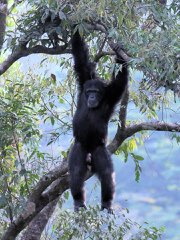 Western Area Peninsula forest — the dawn chorus above FreetownA rainforest dawn chorus 30 minutes from the capital: hornbills, turacos, greenbuls, sooty mangabey whoops, and at night the astonishing screams of tree hyrax and the pant-hoot chorus of Tacugama's 100+ rescued chimpanzees.
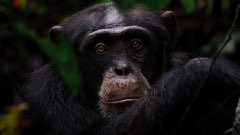 Habituated chimpanzees and the Taï forest dawnPant-hoot choruses and buttress drumming rolling through primary rainforest, the crashing and screaming of a Diana colobus troop, hornbills' wingbeats over the canopy, cicadas and, at night, tree hyrax and Demidoff's galago.
 Hippos and the chimpanzee islands of the River Gambia National ParkHippo pods grunting and blowing on the river bends below Janjanbureh, chimpanzee pant-hoots carrying across the water from the Baboon Islands, baboon troops on the banks and fish eagles at every bend.
More: all spectacles in Guinea · chimpanzees · dawn choruses · Guinea in January · Guinea in February · Guinea in March · Guinea in December