
Apennine beech-forest dawn chorus
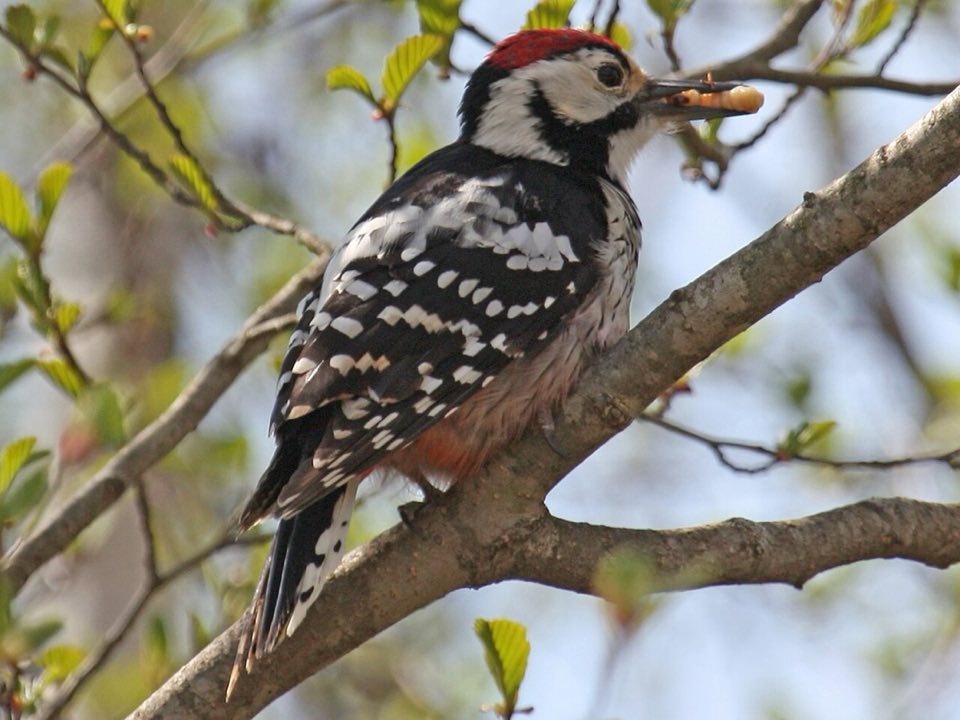
White-backed woodpecker, collared & red-breasted flycatcher, wood warbler, firecrest, cuckoo. Central & southern Apennines, Gargano, Italy.
Best time: 15 May – 15 Jun (May to June). Where: Campigna / edge of Sasso Fratino, Foreste Casentinesi, Val Cervara, Villavallelonga (Abruzzo), Foresta Umbra, Gargano (Italy). Time of day: Be in place in the dark.
- You can go on your own
- Free
- Binoculars helpful
- Sound 5/5
Open it in the interactive calendarSunrise and sunset listening times for the day you pick, and the map.
When is the best time?
Peak: 15 May – 15 Jun. Mid May to mid June (later at altitude)
Active from 15 Apr to 30 Jun (April to June) in a typical year.
Time of day
Be in place in the dark; song starts about 45 min before sunrise, peaks around sunrise and holds for 2 h; woodpecker drumming is strongest in the first hour after sunrise.
- Dawn chorus: 45 min before sunrise → 2 h after sunrise
What will you hear?
Old-growth beech forest chorus with woodpecker drumming, flycatcher songs, and resonant forest acoustics.
Binoculars?
Binoculars helpful. Song in the dark, then binoculars for woodpeckers and flycatchers in the high beech canopy.
Where to go
- Campigna / edge of Sasso Fratino, Foreste Casentinesi — Sasso Fratino itself is a closed integral reserve (UNESCO) — record from its edges on the Calla road. Map
- Val Cervara, Villavallelonga (Abruzzo) — Among Europe's oldest beeches (UNESCO); the valley is walkable from the village. Map
- Foresta Umbra, Gargano — Southern beech forest; the SP road through it carries some morning traffic. Map
How to go on your own, and what it costs
Campigna: park at the Calla pass or Campigna village and walk the marked trails along the edge of Sasso Fratino (the reserve itself is closed). Val Cervara: park in Villavallelonga and walk the valley track (about 1 h) in the dark. Foresta Umbra: free forest tracks from the Casa Forestale car park on the SP52bis.
Cost: Free.
Field-recording notes
Remote, with little road noise. Mountain weather changes quickly — carry spare wind protection. White-backed woodpecker is a priority species: no playback, and keep away from nest trees.
Sources
Similar spectacles
 Midnight-sun taiga chorus in PasvikBluethroat and redwing song across bog and pine, brambling, cuckoo, whooper swans and cranes from the lakes, red-necked phalarope, spotted redshank, hawk owl screeching, the Pasvik river; a bear may pass — Norway's densest brown bear population.
 Tåkern: booming bitterns in Europe's biggest reedbedsThe deep, bottle-blown 'whump' of bitterns booming across the reeds, several males answering; reed, sedge and Savi's warblers, water rail squeals, cranes and geese; at Väversunda in late May the strange clicking display of great snipe towards nightfall.
 Thrush nightingale nights in eastern DenmarkThe thrush nightingale's slower, more percussive song than its southern cousin — loud whistles, clacking and rattles — from damp scrub, often several males in earshot; marsh warblers mimicking, woodcock roding overhead, cuckoo, grasshopper warbler.
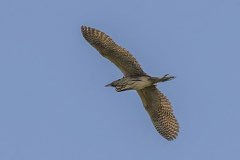 Vejlerne: bitterns, cranes and Northern Europe's largest reedbedsBittern booming from several directions at once, spotted crake whiplashes, water rail squeals, cranes trumpeting at dawn, bearded reedlings pinging, greylag families, black terns over the lagoons; wind in 8 km of reed.
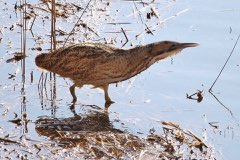 Bitterns boomingThe deep boom (fundamental around 150 Hz, carrying over 3 km), plus water rail squeals, reed and sedge warblers, and marsh harriers.
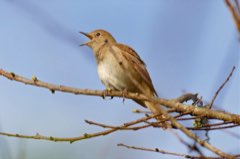 Nightingales singingFull nocturnal nightingale song, often with several males counter-singing; tawny owls and the first dawn birds behind.
More: all spectacles in Italy · dawn choruses · Italy in May · Italy in June