
Mura floodplain dawn: orioles, bee-eaters, heronries
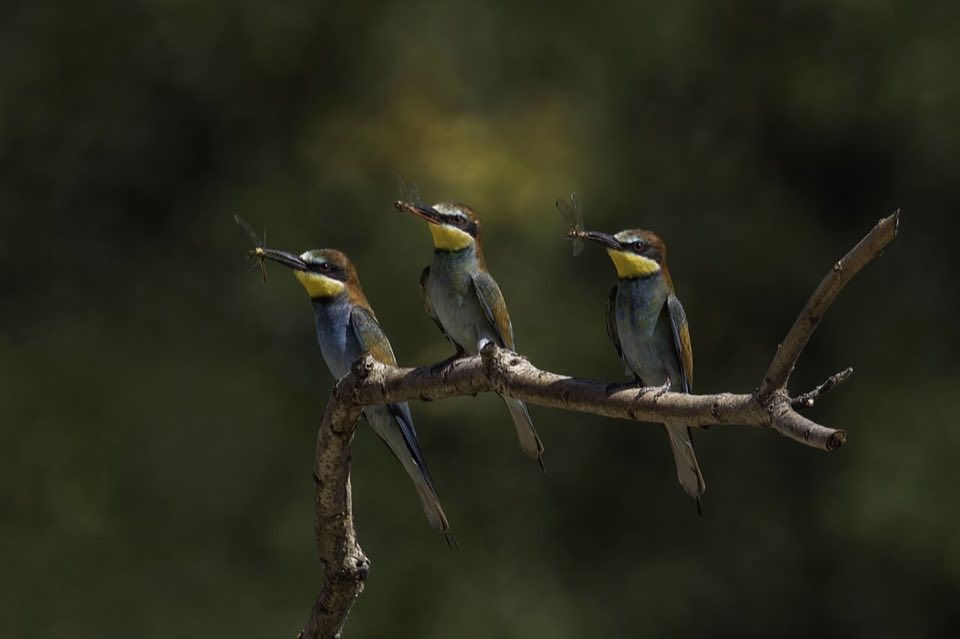
Golden oriole, bee-eater colonies in the sand banks, night heron and little egret colonies, black stork, white stork villages, corncrake in the meadows, tree frogs. Mura river, Prekmurje (UNESCO Mura–Drava–Danube biosphere), Slovenia.
Best time: 5 May – 10 Jun (May to June). Where: Petanjci – Mura riverside forest, Veržej – Bunčani floating mill area, Velika Polana stork village (Slovenia). Time of day: Chorus from about 04:30 (an hour before sunrise) to 08:00.
- You can go on your own
- Free
- Binoculars helpful
- Sound 4/5
Open it in the interactive calendarSunrise and sunset listening times for the day you pick, and the map.
When is the best time?
Peak: 5 May – 10 Jun. Early May to early June
Active from 20 Apr to 10 Jul (April to July) in a typical year.
Time of day
Chorus from about 04:30 (an hour before sunrise) to 08:00; tree frogs and corncrakes from dusk, and night herons leave the colony around sunset.
- Dawn chorus: 1 h before sunrise → 150 min after sunrise
- Dusk herons, frogs, corncrake: 30 min before sunset → 2 h after last light
What will you hear?
Oriole fluting, cuckoo, nightingale, bee-eater 'prrup' flocks over the river, night heron croaks at dusk, stork bill-clattering from village nests, tree frogs from the oxbows.
Binoculars?
Binoculars helpful. Orioles and bee-eaters from the dyke at 50 m+; binoculars for the heronries and stork nests.
Where to go
- Petanjci – Mura riverside forest — Softwood floodplain forest, oxbows; access on flood-dyke tracks. Map
- Veržej – Bunčani floating mill area — Sand banks with bee-eaters; the mill itself is a nice mechanical sound. Map
- Velika Polana stork village — One of Europe's stork villages — dozens of nests; bill-clattering from mid March. Map
How to go on your own, and what it costs
Flood-dyke tracks along the Mura are public: park at Petanjci or the Veržej floating mill (Babičev mlin) and walk the dyke at dawn. Velika Polana: the village streets under the stork nests. Record from the dyke, never enter the colony trees.
Cost: Free.
Field-recording notes
Flat, agricultural, and the Mura is the Austrian/Croatian border in places — border-police boats occasionally. Little traffic at night; the main noise is gravel extraction on the Croatian bank and farm machinery from May. Heronries are sensitive (DOPPS monitors them): record from the dyke, don't enter the colony trees. Corncrakes in the Mura meadows are a LIFE-project population — same rules as the Ljubljana marsh.
Sources
Similar spectacles
 Bee-eater & roller coloniesRolling 'prruip' calls of bee-eaters overhead all day, the crow-like chatter of rollers.
 Midnight-sun taiga chorus in PasvikBluethroat and redwing song across bog and pine, brambling, cuckoo, whooper swans and cranes from the lakes, red-necked phalarope, spotted redshank, hawk owl screeching, the Pasvik river; a bear may pass — Norway's densest brown bear population.
 Tåkern: booming bitterns in Europe's biggest reedbedsThe deep, bottle-blown 'whump' of bitterns booming across the reeds, several males answering; reed, sedge and Savi's warblers, water rail squeals, cranes and geese; at Väversunda in late May the strange clicking display of great snipe towards nightfall.
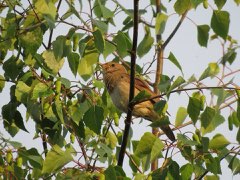 Thrush nightingale nights in eastern DenmarkThe thrush nightingale's slower, more percussive song than its southern cousin — loud whistles, clacking and rattles — from damp scrub, often several males in earshot; marsh warblers mimicking, woodcock roding overhead, cuckoo, grasshopper warbler.
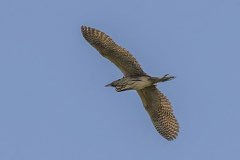 Vejlerne: bitterns, cranes and Northern Europe's largest reedbedsBittern booming from several directions at once, spotted crake whiplashes, water rail squeals, cranes trumpeting at dawn, bearded reedlings pinging, greylag families, black terns over the lagoons; wind in 8 km of reed.
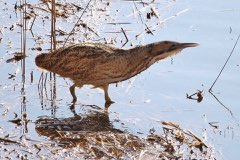 Bitterns boomingThe deep boom (fundamental around 150 Hz, carrying over 3 km), plus water rail squeals, reed and sedge warblers, and marsh harriers.
More: all spectacles in Slovenia · bee-eaters · dawn choruses · Slovenia in May · Slovenia in June