
Plitvice and Lika beech-fir forests: owls, woodpeckers, dawn chorus
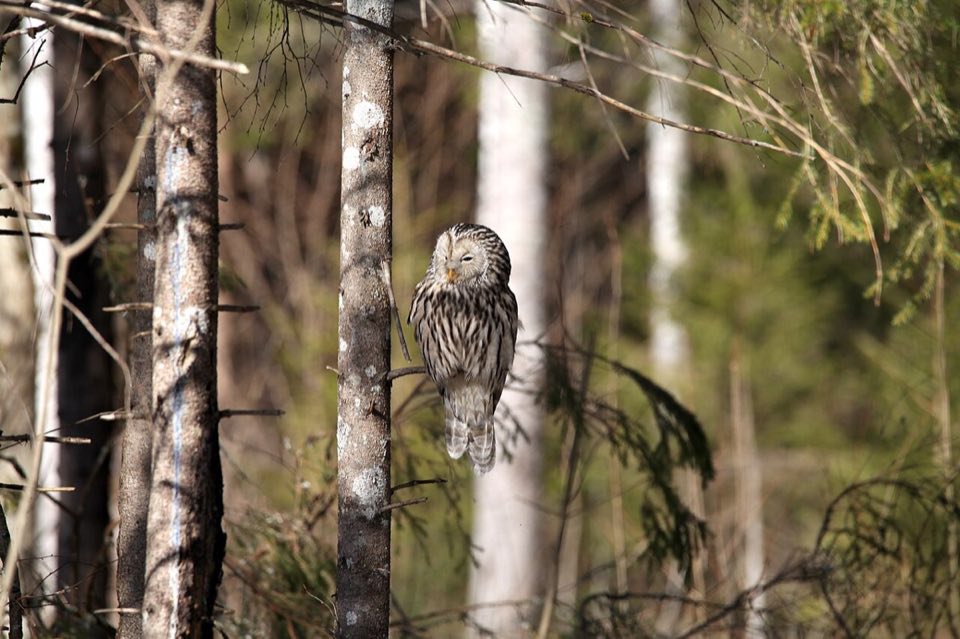
Ural, Tengmalm's and pygmy owl; white-backed, three-toed and black woodpecker; collared flycatcher, red-breasted flycatcher, firecrest; brown bear, wolf, lynx present. Plitvice Lakes National Park and Lika (Čorkova uvala, Mala Kapela), Croatia.
Best time: 20 Apr – 31 May (April to May). Where: Plitvice Entrance 1 (Veliki slap) at opening, Čorkova uvala primeval forest (north-west park), Northern Velebit NP, Zavižan – Štirovača (Croatia). Time of day: Owls at dusk and in the hour before dawn.
- Partly on your own
- Entry fee
- Binoculars helpful
- Sound 4/5
Open it in the interactive calendarSunrise and sunset listening times for the day you pick, and the map.
When is the best time?
Peak: 20 Apr – 31 May. Late April to end of May for the chorus; owls and drumming March–April
Active from 1 Mar to 30 Jun (March to June) in a typical year.
Time of day
Owls at dusk and in the hour before dawn; the forest chorus from an hour before sunrise to about 09:00. Plitvice gates open 07:00–08:00 (check), so dawn is only on the peripheral forest trails.
- Dawn chorus: 1 h before sunrise → 09:00
- Dusk owls: sunset → 90 min after last light
What will you hear?
Mountain beech-fir chorus with collared flycatcher and wood warbler, three-toed and white-backed woodpecker drumming, pygmy owl whistles at dusk, Ural owl barking in March, the constant waterfall bed on the lakes themselves.
Binoculars?
Binoculars helpful. Song and drumming in old forest; binoculars for woodpeckers and flycatchers in the canopy.
Where to go
- Plitvice Entrance 1 (Veliki slap) at opening — Waterfalls are the dominant sound — spectacular, but the birds are better away from the cascades. Day-ticket only, no night access on the lake trails. Map
- Čorkova uvala primeval forest (north-west park) — Old-growth beech-fir strict reserve; the forest trail approaches its edge; white-backed woodpecker and owls. Map
- Northern Velebit NP, Zavižan – Štirovača — High karst forest and Štirovača reserve; wolves, bears, owls; the park road is closed at night (walk in). Map
How to go on your own, and what it costs
Plitvice: ticketed (seasonal prices, buy online), gates open 07:00–08:00, no night access to the lake trails. Dawn needs the peripheral forest trails outside the ticket zone — the road to Čorkova uvala from Plitvički Ljeskovac, or Lika forest roads. Northern Velebit: park entry ticket in season; the Zavižan road closes at night, walk in.
Cost: Plitvice day ticket €10 (Nov–Mar), €23 (Apr–May, Oct), €40 (Jun–Sep; €25 after mid-afternoon) adult (2026); Northern Velebit entry €7 adult 1-day (current price list).
Free or no-guide alternative: Free: the forest trail towards Čorkova uvala on the park's north-west edge, walked from the Plitvički Ljeskovac side before dawn — owls at dusk, chorus at first light, no ticket gate on the forest side.
Field-recording notes
Plitvice's lake boardwalks are wall-to-wall people from 08:00 in season and the park closes them at night; the ticket gate opens 07:00–08:00 (earlier in summer) so the dawn hour is only available on the peripheral forest trails, which are legal but unlit. The bear-and-wolf forests of Lika have almost zero traffic at night; hunting exists outside the parks (Lika hunting grounds — autumn). Owls are protected; no playback, especially for Ural owl (which will also attack you). Plitvice sits at 500–1,000 m: frost and fog in April, so pick warm fronts.
Sources
Similar spectacles
 Thayatal: river gorge dawn, eagle owl and wildcat countryOak-hornbeam dawn chorus with collared flycatcher, wood warbler, both nightingale species meeting (thrush nightingale reaches here), golden oriole, kingfisher along the meandering Thaya, eagle owl from the gorge cliffs in late winter.
 Provençal nights: nightingale, scops owl & stone-curlewNightingales in every tamarisk, scops owls' 'tiu' on a 2–3 s metronome, stone-curlew wails from the Crau, nightjars churring on the garrigue, tree frogs from the marsh.
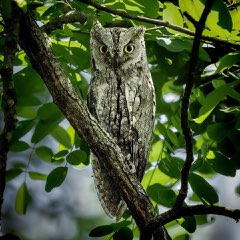 Karst nights: scops owl, nightjar and cicadasScops owl's monotone 'tyuh' every 2–3 s from village edges, nightjar churring on the dry meadows, sub-Mediterranean bush-cricket wall of sound, cicadas at 90+ dB at midday in July, eagle owl from the Vipava cliffs in late winter.
 Mediterranean nights: nightingale & scops owlNightingales everywhere, the metronomic 'tiu' of scops owls (often several in duet), stone-curlew wails, tree frogs.
 Bavarian Forest: pygmy and Tengmalm's owls, woodpeckers, lynx countryPygmy owl's piping series at dusk, Tengmalm's 'po-po-po-po' from the bark-beetle deadwood forest, Ural owl barking, three-toed woodpecker drumming rolls, nutcrackers; the loudest silence in Germany in the dead-spruce stands.
 Tåkern: booming bitterns in Europe's biggest reedbedsThe deep, bottle-blown 'whump' of bitterns booming across the reeds, several males answering; reed, sedge and Savi's warblers, water rail squeals, cranes and geese; at Väversunda in late May the strange clicking display of great snipe towards nightfall.
More: all spectacles in Croatia · owls · dawn choruses · Croatia in April · Croatia in May