
Swift screaming parties over old towns
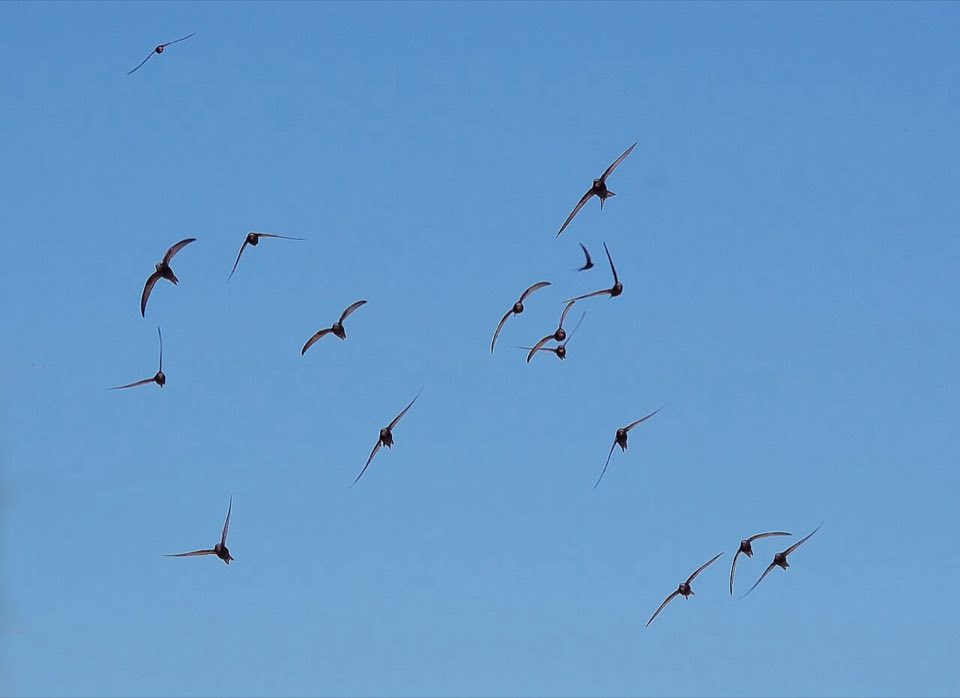
Common swift, pallid swift (Apus pallidus), alpine swift (Tachymarptis melba). Historic town centres nationwide, Italy.
Best time: 1 Jun – 20 Jul (June to July). Where: Rome historic centre (Trastevere, Aventino), Siena, Cagliari, Castello quarter (Italy). Time of day: Screaming parties in the last hour before sunset and through dusk.
- You can go on your own
- Free
- No binoculars needed
- Sound 4/5
Open it in the interactive calendarSunrise and sunset listening times for the day you pick, and the map.
When is the best time?
Peak: 1 Jun – 20 Jul. June to mid July; pallid swifts stay into October
Active from 15 Apr to 30 Sep (April to September) in a typical year.
Time of day
Screaming parties in the last hour before sunset and through dusk; a shorter bout in the first hour after sunrise (Sunday dawn is the cleanest).
- Evening screaming: 1 h before sunset → last light
- Morning parties: sunrise → 1 h after sunrise
What will you hear?
Screaming packs racing between palazzi, the deeper trilling of alpine swifts from cliff-like towers, bells and evening passeggiata below.
Binoculars?
No binoculars needed. Racing between the palazzi at head height; naked eye.
Where to go
- Rome historic centre (Trastevere, Aventino) — Common and pallid swifts in huge numbers; alpine swifts on some monuments. Map
- Siena — Parties over the Campo and the Duomo; enclosed piazze give strong reflections. Map
- Cagliari, Castello quarter — Pallid swift stronghold; sea breeze. Map
How to go on your own, and what it costs
Public piazze and streets at dusk: Piazza del Campo in Siena, Trastevere lanes, the Castello quarter of Cagliari. A rooftop terrace (hotel or B&B) beats street level.
Cost: Free.
Field-recording notes
Rooftop terraces (hotel or B&B) beat street level. The doppler passes are the material; ambisonic rigs handle the 360° movement well. Restaurant terraces and scooters are the noise floor — Sunday dawn is cleanest.
Sources
Similar spectacles
 Midnight-sun taiga chorus in PasvikBluethroat and redwing song across bog and pine, brambling, cuckoo, whooper swans and cranes from the lakes, red-necked phalarope, spotted redshank, hawk owl screeching, the Pasvik river; a bear may pass — Norway's densest brown bear population.
 Thrush nightingale nights in eastern DenmarkThe thrush nightingale's slower, more percussive song than its southern cousin — loud whistles, clacking and rattles — from damp scrub, often several males in earshot; marsh warblers mimicking, woodcock roding overhead, cuckoo, grasshopper warbler.
 Vejlerne: bitterns, cranes and Northern Europe's largest reedbedsBittern booming from several directions at once, spotted crake whiplashes, water rail squeals, cranes trumpeting at dawn, bearded reedlings pinging, greylag families, black terns over the lagoons; wind in 8 km of reed.
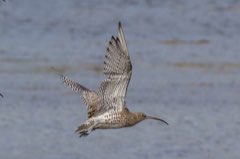 Upland wader breeding songBubbling curlew song, snipe drumming (tail feathers), lapwing display flights, the mournful golden plover whistle, and greenshank 'tew-tew' over bog pools.
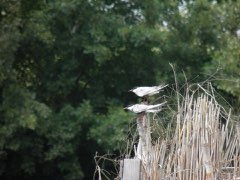 Brenne, land of a thousand pondsWhiskered tern colonies chattering over the water-lily beds, purple herons, little bittern barks, black-necked grebe trills, and at night a tree frog chorus from every pond.
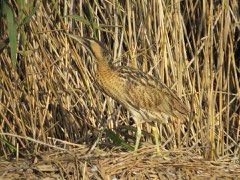 Marsh dawn chorus: Brière and DombesBittern booms across the reed, great reed warbler rasps, bluethroat song from the willows, heronries croaking, whiskered terns overhead, and a marsh frog chorus that runs all night.
More: all spectacles in Italy · dawn choruses · Italy in June · Italy in July