
Loma Mountains: chimpanzees, rockfowl and the climb to Bintumani
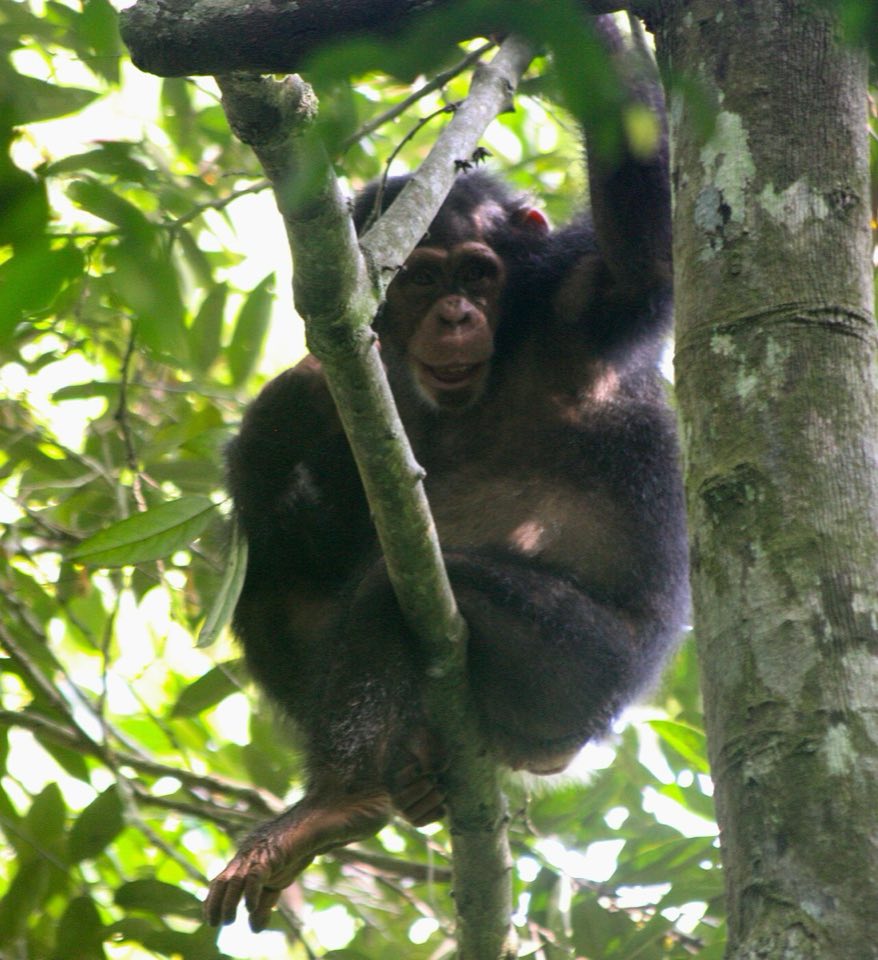
Western chimpanzee (a population quoted at over 1,000 in the national park), western red colobus, sooty mangabey; white-necked rockfowl (picathartes), rufous fishing-owl, about 245–300 bird species; pygmy hippo and dwarf crocodile in the lower streams; forest buffalo. Loma Mountains National Park, Koinadugu District (Mount Bintumani, 1,945 m), Sierra Leone.
Best time: 1 Jan – 31 Mar (January to March). Where: Sinekoro – trailhead village, Mount Bintumani – summit and Camp 2 forest edge, Kabala – base town (Sierra Leone). Time of day: From first light to about 09:00 in the forest between Sinekoro and Camp 1 and again around Camp 2's forest edge.
- Partly on your own
- Entry fee
- Binoculars helpful
- Sound 4/5
Open it in the interactive calendarSunrise and sunset listening times for the day you pick, and the map.
When is the best time?
Peak: 1 Jan – 31 Mar. January to March: the dry season, when the streams are low, the trails are walkable and the two-day climb from Sinekoro is possible; the rains from May make the route a bog and local advice is simply 'don't go'
Active from 1 Dec to 15 Apr (December to April) in a typical year.
Time of day
From first light to about 09:00 in the forest between Sinekoro and Camp 1 and again around Camp 2's forest edge; chimpanzee pant-hoots at dawn and dusk; the summit grassland is a wind-and-larks place at sunrise
- Forest dawn: first light → 09:00
- Evening chimpanzees: 1 h before sunset → last light
What will you hear?
The Upper Guinea forest below Bintumani at dawn: chimpanzee choruses carrying across the valleys, colobus roars, hornbills, greenbuls and the fluting of the forest robins; the streams at Camp 1; on the high ridge, wind, francolins and the calls of swifts around the summit rocks. Rockfowl are silent and found by their mud nests on the rock faces — a visual, not a sound.
Binoculars?
Binoculars helpful. Chimpanzees are heard across valleys more than seen; binoculars for colobus, hornbills and the rockfowl cliffs.
Where to go
- Sinekoro – trailhead village — Village of about 150 people at the foot of the mountains; the chief's permission and the community fee are paid here and guides and porters are hired; 4+ hours by motorbike from Kabala on unpaved road. Map
- Mount Bintumani – summit and Camp 2 forest edge — Camp 1 is about 4 hours above Sinekoro, Camp 2 another 4 hours up the steep, often burned section; the summit is a morning from Camp 2. Map
- Kabala – base town — Shared cars from Freetown (about 5 hours); motorbikes to Sinekoro are arranged here. Map
How to go on your own, and what it costs
Shared car Freetown–Kabala (from the Shell car park, early morning), motorbike Kabala–Firawa–Sinekoro, then the chief's permission, a village guide and porters for the 3-night climb; no operator needed, but the community fees are not optional.
Cost: 2020 figures from a trip report: $20 per foreigner at Banda Karafaia, about $10 to the Sinekoro chief, up to $50 asked by the paramount chief (goes to community projects), guide about $70 for the trek, motorbike about $28–35 each way; Check current prices — communities raise fees at short notice.
Free or no-guide alternative: The forest and farm-bush around Sinekoro itself at dawn — hornbills, greenbuls, colobus and sometimes chimpanzees heard from the village — needs only the chief's greeting and a night in the village.
Field-recording notes
Everything is carried: tents, water filter, food, so weight is the limit. Hunters' fires and slash-and-burn farming are inside the park — a 2020 report describes smouldering fires on the trail to Camp 2 and the forest is shrinking; the chimpanzee population figure comes from tour operators and should be treated as a claim. No park office on the mountain: permission is the chief's at Sinekoro (and a police checkpoint at Firawa may ask for a 'hiking permit' that does not exist). Rockfowl nest sites are not to be approached in the breeding season; ask the guide. Nights at Camp 2 are cold and windy for the tropics. No playback for chimpanzees or rockfowl.
Sources
- National Tourist Board – Loma Mountains and Mount Bintumani (Kabala base, Sinekoro/Sokurala/Yifin routes)
- Mount Bintumani (Wikipedia)
Similar spectacles
 Dindéfélo — savanna chimpanzees pant-hooting under the Fouta Djallon escarpmentThe northern-most chimpanzee chorus in Africa: pant-hoots climbing to screams from the gallery forest under the escarpment, buttress drumming echoing off the cliff, baboons barking in reply, then the waterfall and a hornbill dawn. The village wakes with cockerels, mortars and the mosque — walk 20 minutes out and it is gone.
 Chimpanzee dawn chorus in the Cantanhez forestsChimpanzee pant-hoot choruses and drumming carrying through the northernmost primary forest in Africa, colobus roars, hornbills' wingbeats and grey parrots' screeching over the oil-palm villages of the Nalu people.
 Mount Nimba — chimpanzees of Bossou and the Nimba highlandsStone-on-stone nut cracking and pant-hoots from the Bossou hills — the most-studied wild chimpanzees in West Africa — and above them the grassland-and-cloud-forest soundscape of Nimba: montane birds, wind in the ridge grass, and the tiny viviparous toad's calls in the wet season.
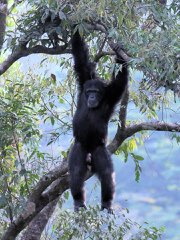 Western Area Peninsula forest — the dawn chorus above FreetownA rainforest dawn chorus 30 minutes from the capital: hornbills, turacos, greenbuls, sooty mangabey whoops, and at night the astonishing screams of tree hyrax and the pant-hoot chorus of Tacugama's 100+ rescued chimpanzees.
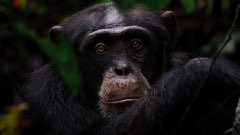 Habituated chimpanzees and the Taï forest dawnPant-hoot choruses and buttress drumming rolling through primary rainforest, the crashing and screaming of a Diana colobus troop, hornbills' wingbeats over the canopy, cicadas and, at night, tree hyrax and Demidoff's galago.
 Hippos and the chimpanzee islands of the River Gambia National ParkHippo pods grunting and blowing on the river bends below Janjanbureh, chimpanzee pant-hoots carrying across the water from the Baboon Islands, baboon troops on the banks and fish eagles at every bend.
More: all spectacles in Sierra Leone · chimpanzees · dawn choruses · Sierra Leone in January · Sierra Leone in February · Sierra Leone in March