
Bee-eater & roller colonies
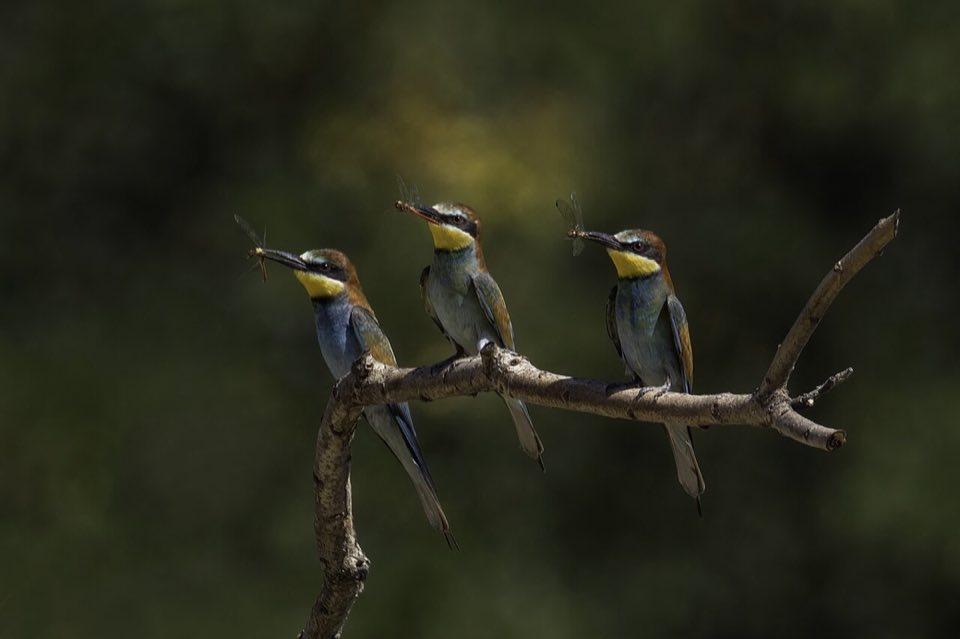
European bee-eater (Merops apiaster), European roller (Coracias garrulus). Po river, Tuscany, Puglia, Italy.
Best time: 1 Jun – 20 Jul (June to July). Where: Po river sandbanks, Boretto–Brescello (Reggio Emilia), Val di Cornia, Suvereto (Tuscany), Gravine di Laterza, Puglia (Italy). Time of day: Colony calling is densest from about an hour after sunrise to 10:00 as birds forage from the bank, quieter in the midday heat, and busy again from 17:00 to sunset.
- You can go on your own
- Free
- Binoculars essential
- Sound 4/5
Open it in the interactive calendarSunrise and sunset listening times for the day you pick, and the map.
When is the best time?
Peak: 1 Jun – 20 Jul. June to mid July
Active from 1 May to 31 Aug (May to August) in a typical year.
Time of day
Colony calling is densest from about an hour after sunrise to 10:00 as birds forage from the bank, quieter in the midday heat, and busy again from 17:00 to sunset.
- Morning colony: 30 min after sunrise → 10:00
- Evening colony: 17:00 → sunset
What will you hear?
Rolling 'prruip' calls of bee-eaters overhead all day, the crow-like chatter of rollers.
Binoculars?
Binoculars essential. Keep 50 m+ off the colony banks — binoculars needed to watch the birds at the burrows.
Where to go
- Po river sandbanks, Boretto–Brescello (Reggio Emilia) — Colonies in sand cliffs and gravel pits. Map
- Val di Cornia, Suvereto (Tuscany) — Farmland colonies. Map
- Gravine di Laterza, Puglia — Rollers and lesser kestrels in the ravines (LIPU oasis). Map
How to go on your own, and what it costs
Po at Boretto–Brescello: walk the public river embankments and beaches (golena) — the colonies are in the sand banks; keep 50 m off. Val di Cornia: farm roads around Suvereto. Gravina di Laterza: LIPU oasis with free access to the ravine viewpoints from the town.
Cost: Free.
Field-recording notes
Colonies are sensitive — record from 50 m+ away; a static rig near the colony flight line works well. Sandpits are often private quarries: ask.
Sources
Similar spectacles
 Mura floodplain dawn: orioles, bee-eaters, heronriesOriole fluting, cuckoo, nightingale, bee-eater 'prrup' flocks over the river, night heron croaks at dusk, stork bill-clattering from village nests, tree frogs from the oxbows.
 Midnight-sun taiga chorus in PasvikBluethroat and redwing song across bog and pine, brambling, cuckoo, whooper swans and cranes from the lakes, red-necked phalarope, spotted redshank, hawk owl screeching, the Pasvik river; a bear may pass — Norway's densest brown bear population.
 Thrush nightingale nights in eastern DenmarkThe thrush nightingale's slower, more percussive song than its southern cousin — loud whistles, clacking and rattles — from damp scrub, often several males in earshot; marsh warblers mimicking, woodcock roding overhead, cuckoo, grasshopper warbler.
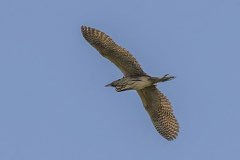 Vejlerne: bitterns, cranes and Northern Europe's largest reedbedsBittern booming from several directions at once, spotted crake whiplashes, water rail squeals, cranes trumpeting at dawn, bearded reedlings pinging, greylag families, black terns over the lagoons; wind in 8 km of reed.
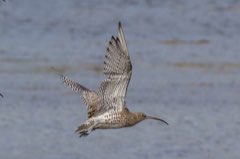 Upland wader breeding songBubbling curlew song, snipe drumming (tail feathers), lapwing display flights, the mournful golden plover whistle, and greenshank 'tew-tew' over bog pools.
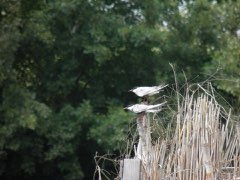 Brenne, land of a thousand pondsWhiskered tern colonies chattering over the water-lily beds, purple herons, little bittern barks, black-necked grebe trills, and at night a tree frog chorus from every pond.
More: all spectacles in Italy · bee-eaters · dawn choruses · Italy in June · Italy in July