
Garrigue dawn chorus
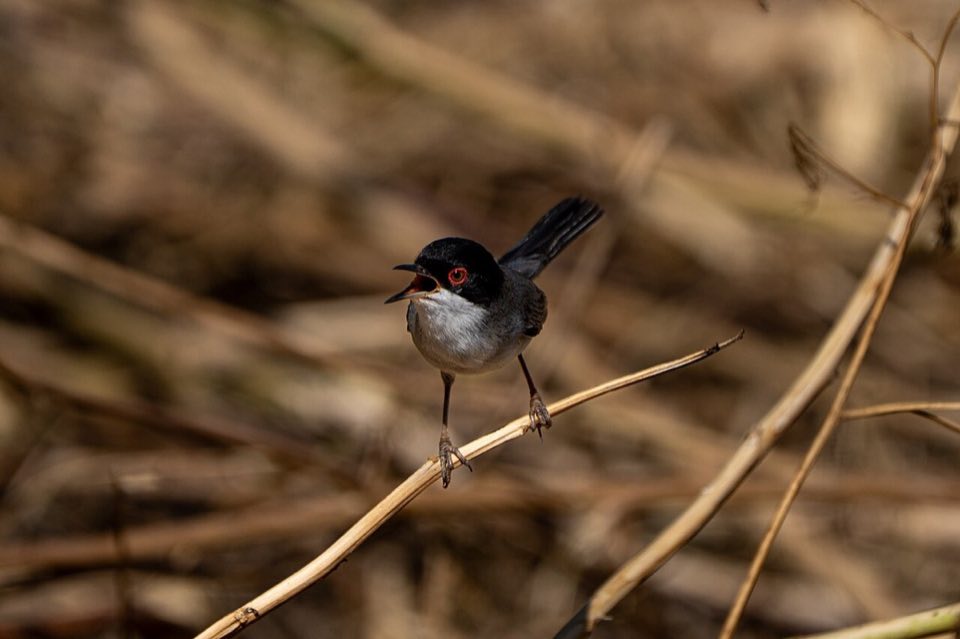
Sardinian, subalpine and Dartford warblers, nightingale, hoopoe, woodlark, Bonelli's warbler, blue rock thrush, bee-eater. Alpilles, Luberon, Corbières, Clape, France.
Best time: 20 Apr – 25 May (April to May). Where: Alpilles (Les Baux / Vallon de la Fontaine), Luberon (Bonnieux), Massif de la Clape, Narbonne (France). Time of day: Song from 45 min before sunrise, densest around sunrise and holding until about 2 h after, before wind and heat.
- You can go on your own
- Free
- Binoculars helpful
- Sound 4/5
Open it in the interactive calendarSunrise and sunset listening times for the day you pick, and the map.
When is the best time?
Peak: 20 Apr – 25 May. Late April to late May
Active from 1 Apr to 15 Jun (April to June) in a typical year.
Time of day
Song from 45 min before sunrise, densest around sunrise and holding until about 2 h after, before wind and heat; a lighter evening bout in the hour before sunset.
- Dawn chorus: 45 min before sunrise → 2 h after sunrise
- Evening song: 1 h before sunset → sunset
What will you hear?
A Mediterranean chorus quite different from the north: rattling Sardinian warblers, woodlark descending phrases, hoopoes, nightingales in every gully, bee-eaters overhead and cicada-free silence between.
Binoculars?
Binoculars helpful. Song from the scrub at close range; binoculars for hoopoes, blue rock thrush and bee-eaters overhead.
Where to go
- Alpilles (Les Baux / Vallon de la Fontaine) — Limestone garrigue and olive groves; Eagle owl and Bonelli's eagle country — stay on tracks. Map
- Luberon (Bonnieux) — Terraced hillsides, low light and noise. Map
- Massif de la Clape, Narbonne — Coastal limestone with blue rock thrush; A9 audible in the west. Map
How to go on your own, and what it costs
Public tracks and small roads: the Vallon de la Fontaine below Les Baux, the terraces above Bonnieux, the Clape tracks from Narbonne-Plage. Free; respect the Bonelli's eagle seasonal closures in the Alpilles.
Cost: Free.
Field-recording notes
Dry, hard ground and sparse scrub mean little natural reverb — close, detailed recordings rather than spacious ones. The mistral and tramontane are the enemies; still mornings after rain are rare and worth chasing. Bonelli's eagle nesting zones have seasonal access bans in the Alpilles.
Sources
Similar spectacles
 Tåkern: booming bitterns in Europe's biggest reedbedsThe deep, bottle-blown 'whump' of bitterns booming across the reeds, several males answering; reed, sedge and Savi's warblers, water rail squeals, cranes and geese; at Väversunda in late May the strange clicking display of great snipe towards nightfall.
 Cranes dancing on the dune heaths and bogsCrane pairs duetting and bugling across the wet dune slacks at first light, the dance's wing-flaps, curlew, golden plover and snipe drumming around them; ravens; the North Sea in Thy.
 Thrush nightingale nights in eastern DenmarkThe thrush nightingale's slower, more percussive song than its southern cousin — loud whistles, clacking and rattles — from damp scrub, often several males in earshot; marsh warblers mimicking, woodcock roding overhead, cuckoo, grasshopper warbler.
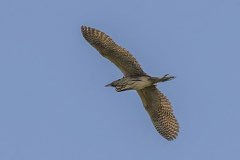 Vejlerne: bitterns, cranes and Northern Europe's largest reedbedsBittern booming from several directions at once, spotted crake whiplashes, water rail squeals, cranes trumpeting at dawn, bearded reedlings pinging, greylag families, black terns over the lagoons; wind in 8 km of reed.
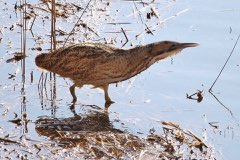 Bitterns boomingThe deep boom (fundamental around 150 Hz, carrying over 3 km), plus water rail squeals, reed and sedge warblers, and marsh harriers.
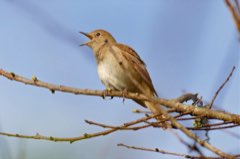 Nightingales singingFull nocturnal nightingale song, often with several males counter-singing; tawny owls and the first dawn birds behind.
More: all spectacles in France · dawn choruses · France in April · France in May