
Amansuri wetland by canoe: Ghana's largest swamp forest and the Nzulezo stilt village
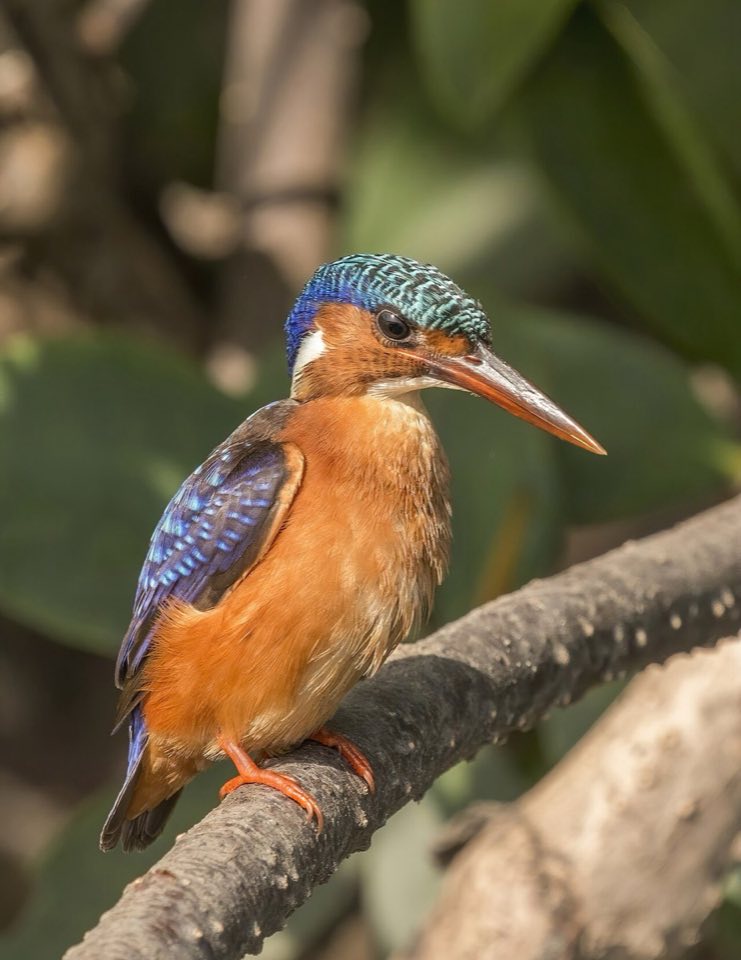
Herons, egrets, kingfishers (giant, pied, malachite), African finfoot, hornbills and swamp-forest birds; mona and spot-nosed monkeys; Nile and dwarf crocodile; sitatunga (rare); sea turtles on the Beyin beach October–August. Amansuri wetland, Beyin, Jomoro (Western Region), Ghana.
Best time: 1 Jun – 31 Jul (June to July). Where: Beyin – Amansuri visitor centre and canoe landing, Nzulezo – stilt village on the Amansuri lake (Ghana). Time of day: The visitor centre sells tickets from 08:00 to 16:00, so the first canoe leaves around 08:15 — ask the day before for an earlier paddle.
- Partly on your own
- Entry fee
- Binoculars helpful
- Sound 4/5
Open it in the interactive calendarSunrise and sunset listening times for the day you pick, and the map.
When is the best time?
Peak: 1 Jun – 31 Jul. June and July: the wetland is full after the May rains, the canoe runs the whole 5 km from Beyin without the walk-in, and the visitor centre says birds and monkeys are at their most numerous in the rainy season
Active from 15 May to 31 Aug (May to August) in a typical year.
Time of day
The visitor centre sells tickets from 08:00 to 16:00, so the first canoe leaves around 08:15 — ask the day before for an earlier paddle; the swamp forest is loudest in the first hour and the open lake is best in the late afternoon light
- Morning canoe: 08:15 → 11:00
- Afternoon canoe: 15:00 → sunset
What will you hear?
A paddled dugout through blackwater swamp forest: kingfishers, the yelps of monkeys, hornbills, herons lifting off the raffia, frogs along the channel and the drip of the forest canopy — then the open Amansuri lake and the sounds of a village on stilts: children, chickens, paddles.
Binoculars?
Binoculars helpful. Kingfishers and herons at 10–30 m from the canoe; binoculars for monkeys in the raffia and finfoot along the banks.
Where to go
- Beyin – Amansuri visitor centre and canoe landing — Tickets, lifejackets and the community paddlers; the canal into the wetland starts a short walk from the end of the drivable road. Phone 0553 488 755 (visitor centre). Map
- Nzulezo – stilt village on the Amansuri lake — The village at the end of the canoe route, about 5 km (45–60 minutes); the lake margins and raffia swamp around it are the birding. Map
How to go on your own, and what it costs
Tro-tro or taxi Takoradi–Beyin (about 2 hours), tickets at the visitor centre (08:00–16:00), a community paddler takes you; no private canoes. Stay at the Beyin beach guesthouses for an early start and the turtle beach at night.
Cost: Canoe and village fee per person at the visitor centre (a few tens of cedis for non-Ghanaians, plus paddler) — check current prices.
Free or no-guide alternative: The Beyin beach and the lagoon edge behind the visitor centre at dawn are free: herons, kingfishers and the forest-edge chorus, and sea-turtle tracks on the beach in season.
Field-recording notes
The canoe is paddled, not motored — one of the few quiet boat trips in West Africa; ask the paddler to stop in the swamp forest section and drift. The village is a working community that charges and welcomes visitors; ask before recording people. Beyin is the end of the tarmac from Takoradi and the only noise is the sea; the Ghana Wildlife Society runs the conservation project here and its sea-turtle project is on the beach beside the visitor centre. Life jackets provided. Rain daily in June–July — dry bags.
Sources
- Visit Ghana – Nzulezu stilt village (canoe from Beyin, hours, wildlife, rainy-season advice)
- Exploring Ghana's Amansuri wetland (Ghana Wildlife Society project, 93 species of conservation importance)
- Ghana Wildlife Society (BirdLife partner; Amansuri conservation project)
Similar spectacles
 Midnight-sun taiga chorus in PasvikBluethroat and redwing song across bog and pine, brambling, cuckoo, whooper swans and cranes from the lakes, red-necked phalarope, spotted redshank, hawk owl screeching, the Pasvik river; a bear may pass — Norway's densest brown bear population.
 Thrush nightingale nights in eastern DenmarkThe thrush nightingale's slower, more percussive song than its southern cousin — loud whistles, clacking and rattles — from damp scrub, often several males in earshot; marsh warblers mimicking, woodcock roding overhead, cuckoo, grasshopper warbler.
 Vejlerne: bitterns, cranes and Northern Europe's largest reedbedsBittern booming from several directions at once, spotted crake whiplashes, water rail squeals, cranes trumpeting at dawn, bearded reedlings pinging, greylag families, black terns over the lagoons; wind in 8 km of reed.
 Upland wader breeding songBubbling curlew song, snipe drumming (tail feathers), lapwing display flights, the mournful golden plover whistle, and greenshank 'tew-tew' over bog pools.
 Brenne, land of a thousand pondsWhiskered tern colonies chattering over the water-lily beds, purple herons, little bittern barks, black-necked grebe trills, and at night a tree frog chorus from every pond.
 Marsh dawn chorus: Brière and DombesBittern booms across the reed, great reed warbler rasps, bluethroat song from the willows, heronries croaking, whiskered terns overhead, and a marsh frog chorus that runs all night.
More: all spectacles in Ghana · dawn choruses · Ghana in June · July