
Wildlife to see in the United Kingdom in June
9 spectacles at their peak in the United Kingdom in June, and 6 more still going on. Wild animals only: no zoos, no wildlife parks, no hunting. Open United Kingdom in June in the interactive calendar for listening times on the day you pick.
At their peak in June
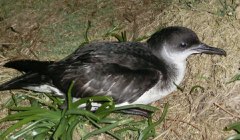 Manx shearwaters returning at nightHundreds of thousands of birds crashing in, with cackling, choking, hoarse calls from the air and burrows all around you.
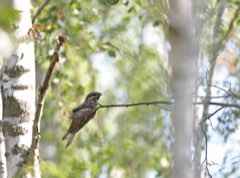 Nightjars churringContinuous mechanical churring with changes of gear, wing-claps, 'coo-ick' flight calls, with tree pipits and woodlarks at dusk.
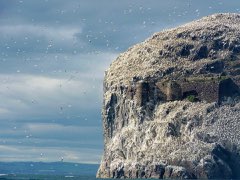 Seabird citiesA wall of seabird calls: gannet grating, kittiwakes calling their name, guillemot growls, puffin burrow moans, sea and wind below.
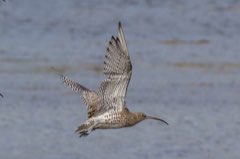 Upland wader breeding songBubbling curlew song, snipe drumming (tail feathers), lapwing display flights, the mournful golden plover whistle, and greenshank 'tew-tew' over bog pools.
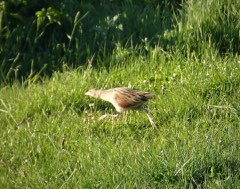 Corncrakes callingThe rasping 'crex-crex' from iris beds and meadows, with snipe, redshank and the sea behind.
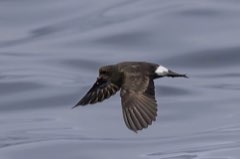 Storm petrels at Mousa BrochPurring and hiccupping from inside the Iron Age broch walls, and the bat-like flutter of returning birds passing your head.
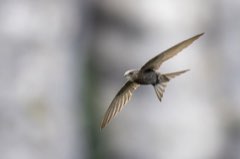 Swift screaming partiesHigh-speed screaming packs racing around rooftops, doppler passes at head height, and the sound of summer evenings.
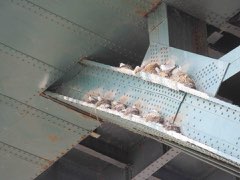 Tyne kittiwakes — the urban colonyAbout 800 pairs of oceanic gulls calling 'kitti-wake' from the Tyne Bridge girders and the Baltic art gallery ledges, echoing between the bridges over the river and city traffic.
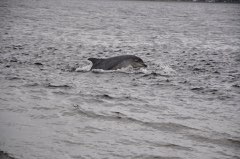 Bottlenose dolphins from the shoreWith a hydrophone: whistles, clicks, and burst pulses. Above water: blows and splashes very close to shore.
Also going on in June
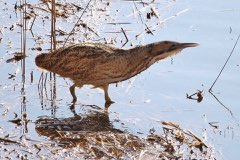 Bitterns boomingThe deep boom (fundamental around 150 Hz, carrying over 3 km), plus water rail squeals, reed and sedge warblers, and marsh harriers.
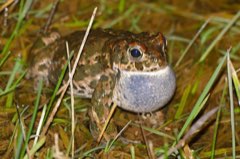 Natterjack toad chorusThe loudest amphibian in Britain — a rolling, ratcheting chorus audible up to 2 km away across dunes.
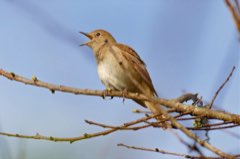 Nightingales singingFull nocturnal nightingale song, often with several males counter-singing; tawny owls and the first dawn birds behind.
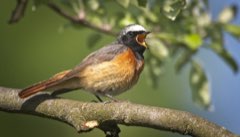 Woodland dawn chorus peakFull layered chorus: robin, blackbird and song thrush first, then wren, warblers, chaffinch; in western oakwoods add wood warbler trills, redstart and pied flycatcher.
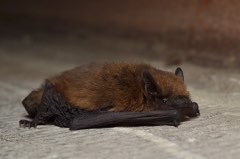 Bat emergence & autumn swarmingMostly ultrasonic: echolocation and feeding buzzes, social calls. Noctule social calls and some horseshoe calls are partly audible.
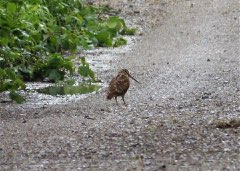 Woodcock rodingCroaking 'grunt-grunt-tswick' of males flying circuits over the canopy, often with nightjar or tawny owl later.