
Bottlenose dolphins from the shore
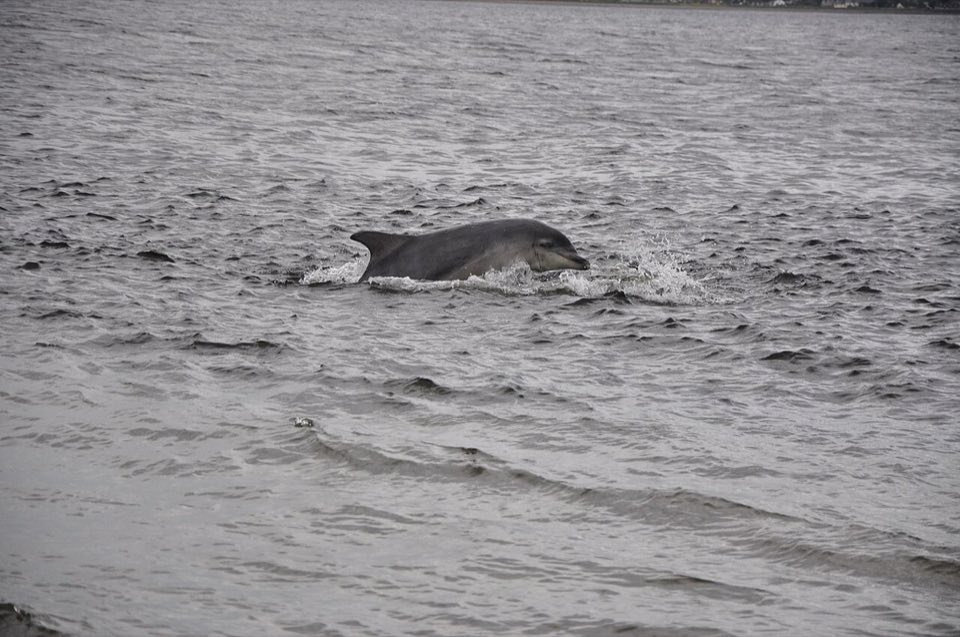
Bottlenose dolphin (Tursiops truncatus). Moray Firth, Cardigan Bay, United Kingdom.
Best time: 1 Jun – 31 Aug (June to August). Where: Chanonry Point, Black Isle, New Quay, Cardigan Bay (United Kingdom). Time of day: Chanonry works on the rising tide: from about 1 h after low water for 2–3 h as salmon come in on the flood.
- You can go on your own
- Low cost
- Binoculars helpful
- Sound 3/5
Open it in the interactive calendarSunrise and sunset listening times for the day you pick, and the map.
When is the best time?
Peak: 1 Jun – 31 Aug. June–August; best on a rising tide
Active from 1 May to 30 Sep (May to September) in a typical year.
Time of day
Chanonry works on the rising tide: from about 1 h after low water for 2–3 h as salmon come in on the flood. Any time of day, but early morning has the fewest people and boats.
- Rising tide (tide-timed): sunrise → 3 h after sunrise
Depends on the tide: best around low tide. Check local tide tables.
What will you hear?
With a hydrophone: whistles, clicks, and burst pulses. Above water: blows and splashes very close to shore.
Binoculars?
Binoculars helpful. Dolphins a few metres off Chanonry beach; binoculars for New Quay and quieter days.
Where to go
- Chanonry Point, Black Isle — Dolphins hunt salmon a few metres from the beach. Very busy car park in summer; the shingle spit is walkable at any hour. Map
- New Quay, Cardigan Bay — Sea Watch Foundation land-based watches; harbour boat traffic in summer. Map
How to go on your own, and what it costs
Chanonry Point: drive through Fortrose to the pay-and-display car park by the lighthouse (very busy in summer — arrive early) or walk the 1.5 km from Fortrose; the shingle point is open at any hour. New Quay: watch from the harbour wall or the headland by the Sea Watch Foundation office — free.
Cost: Free; Chanonry Point car park pay-and-display (check current prices).
Field-recording notes
A hydrophone from the shore or a boat opens this up; boat engine noise dominates underwater, so shore drops at Chanonry on the rising tide are the cleanest. Cetaceans are protected from deliberate disturbance — no approaching by kayak or paddleboard.
Sources
Similar spectacles
 Bottlenose dolphins of the Kvarnerić, LošinjWith a hydrophone: whistles, echolocation click trains and burst-pulse squawks; above water, blows and tail-slaps; unfortunately also every outboard within 10 km.
 The Sado's resident bottlenose dolphinsA visual spectacle above water — blows and the slap of a breach — but a hydrophone over the side of the ferry or a kayak in the channel catches the clicks and whistles of a small, closely studied pod; the estuary is otherwise ferry engines, the Setúbal docks and the Atlantic swell at the bar.
 Iroise: grey seals of Molène and Sein dolphinsSeal moans and pup calls from the reef islets, a resident bottlenose pod around Sein and Molène, and the Iroise swell — France's most oceanic soundscape.
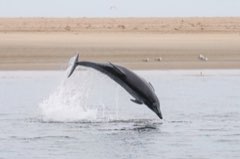 Imraguen mullet fishing with dolphins, Banc d'ArguinMen slapping the surface with sticks to call the dolphins, the dolphins' blows as they drive the shoal into the shallows, and the whole village on the beach hauling nets. Rare now — most mullet are taken by lanche — so ask in the village whether a beach net is planned.
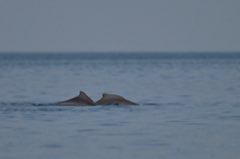 Atlantic humpback dolphins of the Saloum delta — the species' last strongholdThrough a hydrophone: whistles and click-trains of a species almost never recorded (the surveys deploy SoundTraps and F-PODs to build its first sound library). Above water: blows, the slap of a fluke, pied kingfishers, and the mangrove's own chorus of herons and fiddler crabs at low water.
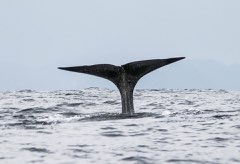 Sperm whales of the Bleik canyon, AndenesWith a hydrophone: sperm whale click trains and creaks from 1,000 m down (the operators locate whales acoustically), occasional codas; above water, the explosive blow every 10–15 s at the surface and the tail-fluke dive; fulmars and gannets around the boat.
More: all spectacles in the United Kingdom · dolphins · whales, dolphins and seals · the United Kingdom in June · the United Kingdom in July · the United Kingdom in August