
Fazao-Malfakassa: elephants, colobus and ground hornbills in the hills
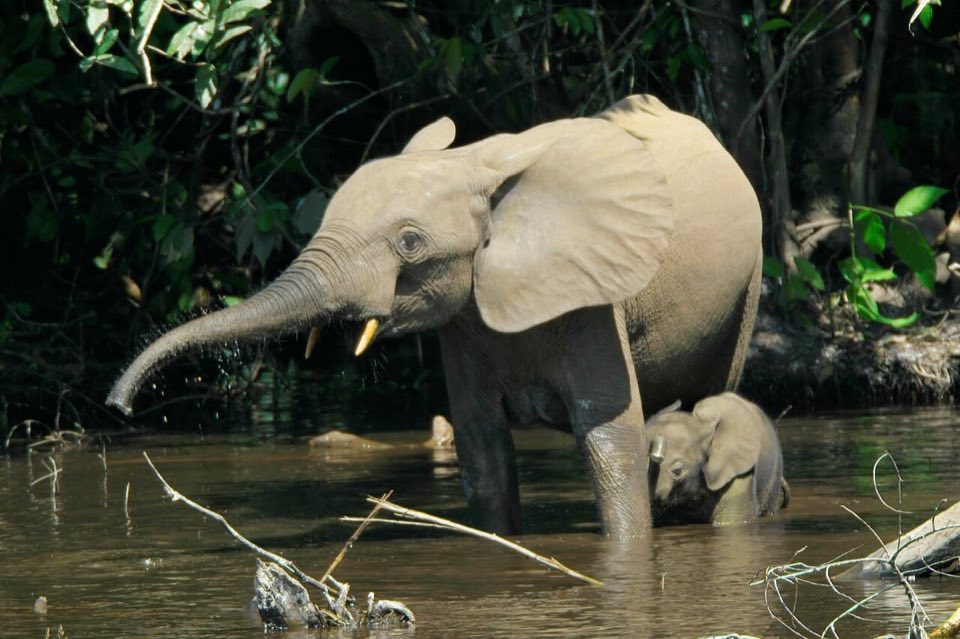
Savanna/forest elephant (about 40 animals), ursine colobus, olive baboon, kob, Abyssinian ground hornbill, bateleur, martial eagle. Parc national de Fazao-Malfakassa, Centrale & Kara regions, Togo.
Best time: 1 Jan – 31 Mar (January to March). Where: Fazao village – park entrance and former hotel, Malfakassa – northern sector escarpment (Togo). Time of day: Walks with a ranger from sunrise to about 10:00.
- Guide, ranger or boat needed
- Entry fee
- Binoculars essential
- Sound 3/5
Open it in the interactive calendarSunrise and sunset listening times for the day you pick, and the map.
When is the best time?
Peak: 1 Jan – 31 Mar. January to March, late dry season, when the elephants are tied to the remaining pools and the tracks are passable
Active from 15 Nov to 30 Apr (November to April) in a typical year.
Time of day
Walks with a ranger from sunrise to about 10:00; ground hornbills boom in the first hour of light; colobus roar at dawn and again before dusk
- Morning walk: 20 min before sunrise → 10:00
- Evening colobus: 1 h before sunset → last light
What will you hear?
The deep booming duet of ground hornbills across dry woodland, the rolling roar of ursine colobus from gallery forest, baboons on the escarpment and — with luck and patience — elephants at a pool at night.
Binoculars?
Binoculars essential. Colobus and hornbills in gallery forest and elephants at pools seen from 100 m+ with rangers; binoculars needed.
Where to go
- Fazao village – park entrance and former hotel — The Hôtel de Fazao ran the park under the Fondation Franz Weber until 2015 and is now derelict; rangers are based here and organise walks. Basic lodging in the village. Map
- Malfakassa – northern sector escarpment — Wooded hills and waterfalls; the wetter, more forested sector. Map
How to go on your own, and what it costs
Rangers accompany all visits (park rule). Cheapest legal way: bus to Sokodé or Bafilo, taxi-moto to Fazao village, and arrange the rangers and fee at the park post there; bring food and camping gear.
Cost: Park entry and ranger fee; check current prices at the Fazao post.
Free or no-guide alternative: Fazao village and the woodland along the public track to it are outside the boundary; ground hornbills, colobus and the dawn chorus carry over the fence and cost nothing.
Field-recording notes
The park is under state management with minimal infrastructure: bring everything, hire the rangers, and expect walking rather than driving. Wildlife is thin and wary after years of poaching, so this is a dawn-chorus and hornbill trip with elephants as a bonus, not a safari. Harmattan mornings are cold and hazy; bush fires from January onwards are audible for kilometres and are the main noise event. The Sokodé–Kara highway is far enough away not to matter.
Sources
- Fazao Malfakassa National Park (Wikipedia)
- Park rangers and residents speak up to save Togo's last national park (phys.org, Sept 2026)
Similar spectacles
 Lobéké bais: elephants, gorillas and grey parrots at the clearingsGrey parrot flocks whistling and screeching over Djangui, elephants splashing, rumbling and trumpeting in the mud of Petite Savane, gorilla chest-beats from the edge, forest hogs grunting, and the rainforest dawn behind it all.
 Odzala-Kokoua: forest elephants and grey parrots at Lango baiElephants blowing, splashing and rumbling in the bai's mineral pools a few metres below the deck, families greeting with trumpets and roars, grey parrot flocks whistling in to drink, forest buffalo grunting in the sedge, and a night of frogs, hyrax and distant hyena.
 Comoé: elephants, hippos and the savanna-forest mosaicHippos bellowing on the Comoé at dusk, elephants at the river pools, lions are not to be expected but spotted hyena whoop; the ground hornbill's booming duet at dawn and the harmattan wind in the gallery forest.
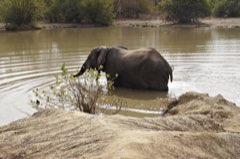 Elephants at the Mole waterholesElephants splashing, rumbling and trumpeting at the waterhole, baboon alarm barks off the escarpment, hyena whoops after dark, and a savanna dawn of helmeted guineafowl, hornbills and doves.
 Yankari: elephants on the Gaji river and Wikki nightsElephants at the Gaji river pools, baboon troops around Wikki camp, a savanna dawn of francolins, doves and hornbills, and at night the warm-spring valley's bats, nightjars and owls.
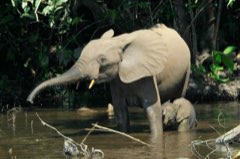 Nouabalé-Ndoki: gorillas and elephants at Mbeli BaiA silverback's chest-beats and a family's contented feeding grunts in the open, from a platform 20 m above one of the Congo Basin's most-watched clearings; elephants splashing at night, sitatunga barking, parrots at dawn, and a rainforest with no engine within a day's walk.
More: all spectacles in Togo · elephants · mountain wildlife · Togo in January · Togo in February · Togo in March