
Comoé: elephants, hippos and the savanna-forest mosaic
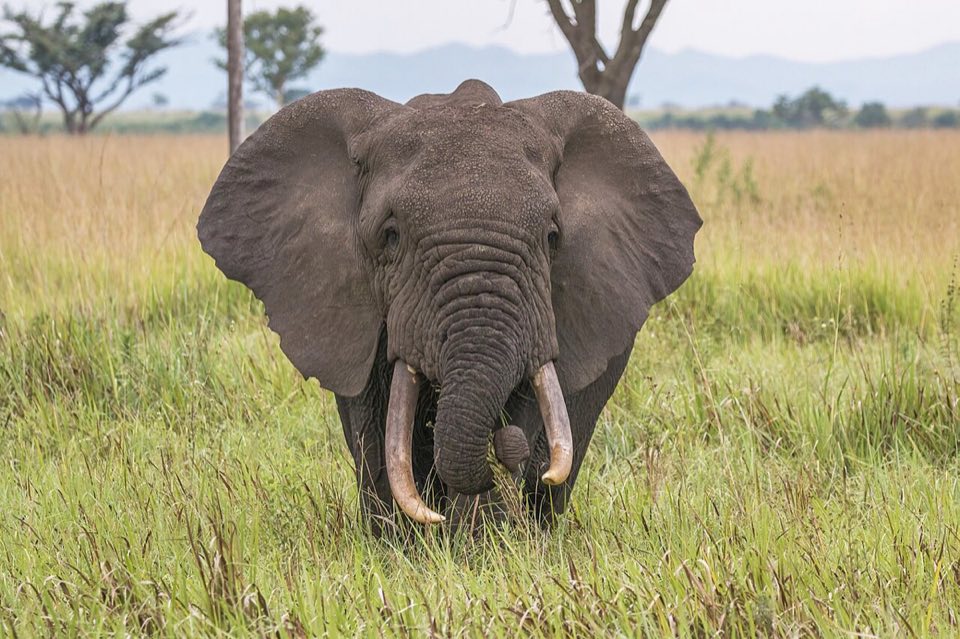
Savanna elephant, hippopotamus, western chimpanzee (not habituated), buffalo, kob, roan, Abyssinian ground hornbill, Egyptian plover on the river. Parc national de la Comoé, north-east, Côte d'Ivoire.
Best time: 15 Jan – 31 Mar (January to March). Where: Kakpin – park entrance and lodges, Comoé river – Gansé sector, Bouna – northern access (Côte d'Ivoire). Time of day: Game drives and river walks from sunrise to 10:00 and again from 16:00.
- Guide, ranger or boat needed
- Entry fee
- Binoculars essential
- Sound 4/5
Open it in the interactive calendarSunrise and sunset listening times for the day you pick, and the map.
When is the best time?
Peak: 15 Jan – 31 Mar. Mid January to March, late dry season: the Comoé river is the only water and the game is on it
Active from 15 Nov to 30 Apr (November to April) in a typical year.
Time of day
Game drives and river walks from sunrise to 10:00 and again from 16:00; hippos grunt through the night and are loudest in the two hours after dark
- Morning drive: sunrise → 10:00
- Afternoon on the river: 16:00 → sunset
- Hippos: last light → 2 h after last light
What will you hear?
Hippos bellowing on the Comoé at dusk, elephants at the river pools, lions are not to be expected but spotted hyena whoop; the ground hornbill's booming duet at dawn and the harmattan wind in the gallery forest.
Binoculars?
Binoculars essential. Elephants and hippos at river pools seen from 100–300 m with the ranger; binoculars needed, a scope from the vehicle.
Where to go
- Kakpin – park entrance and lodges — Main tourist gate on the south-western edge; ecolodges and the Comoé Chimpanzee Conservation Project research camp are near here. Map
- Comoé river – Gansé sector — River crossings and pools where hippos and elephants concentrate late in the dry season; guided 4x4 or on foot with a ranger. Map
- Bouna – northern access — Town on the eastern side; OIPR sector office. Map
How to go on your own, and what it costs
Ranger escort and an OIPR entry permit are required (park rule). Cheapest legal way: bus to Bouna or Kakpin, arrange rangers and the fee at the OIPR sector office rather than through an Abidjan agency; the Kakpin ecolodges can call the rangers.
Cost: OIPR entry plus ranger/guide fee per day; check current prices.
Free or no-guide alternative: Kakpin and Gansé villages sit on the Comoé river outside the boundary: hippos, ground hornbills and the savanna dawn are audible for free from the village banks and the public road, especially at dusk in the late dry season.
Who runs access
- Office Ivoirien des Parcs et Réserves – Comoé sector (park authority) — Park-run ranger escort
Field-recording notes
Access is by advance arrangement with OIPR — the park was on the World Heritage danger list until 2017 and ranger escort is standard. Chimpanzees here are a research population, not a tourist one. Harmattan (Dec–Feb) gives dry, hazy air and cool nights; the river gallery forest is the sheltered place to leave a rig overnight for hippos. Gold-mining camps and transhumant cattle are the noise you may meet at the edges. The north-east borders Burkina Faso and Ghana; check current travel advice.
Sources
- Comoé National Park – UNESCO World Heritage
- Office Ivoirien des Parcs et Réserves
- Comoé National Park (national-parks.org)
Similar spectacles
 Loango: forest elephants, buffalo and hippos on the ocean beachSurf behind everything. Elephants are near-silent on sand, but the rumbles and the crack of branches at the forest edge carry at dawn; hippo grunts from the lagoons at dusk; red river hog groups snuffling through the leaf litter; the chatter of river-martin flocks over the water in August–October and chimpanzee pant-hoots from the forest behind Akaka in the wet season.
 Sapo National Park — pygmy hippo, elephants and the deepest forest in West AfricaPrimary Upper Guinea rainforest with nothing man-made within a day's walk: casqued hornbills, chimps, Diana monkeys, the whistles of duikers, elephants rumbling at night, tree hyrax, and the full insect and frog layer of a forest that has never been logged.
 Pendjari: lions, elephants and hippos at the dry-season poolsLions roaring across the Pendjari plain in the small hours — one of the few places in West Africa where this is still likely — hippos bellowing at Mare Bali, elephants at the pools, hyena whoops and a savanna dawn of francolins, ground hornbills and doves.
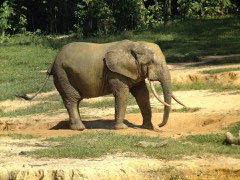 Lobéké bais: elephants, gorillas and grey parrots at the clearingsGrey parrot flocks whistling and screeching over Djangui, elephants splashing, rumbling and trumpeting in the mud of Petite Savane, gorilla chest-beats from the edge, forest hogs grunting, and the rainforest dawn behind it all.
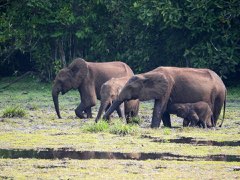 Odzala-Kokoua: forest elephants and grey parrots at Lango baiElephants blowing, splashing and rumbling in the bai's mineral pools a few metres below the deck, families greeting with trumpets and roars, grey parrot flocks whistling in to drink, forest buffalo grunting in the sedge, and a night of frogs, hyrax and distant hyena.
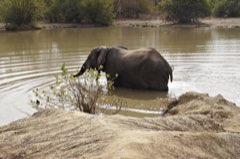 Elephants at the Mole waterholesElephants splashing, rumbling and trumpeting at the waterhole, baboon alarm barks off the escarpment, hyena whoops after dark, and a savanna dawn of helmeted guineafowl, hornbills and doves.
More: all spectacles in Côte d'Ivoire · elephants · hippos · mountain wildlife · Côte d'Ivoire in January · Côte d'Ivoire in February · Côte d'Ivoire in March