
Nouabalé-Ndoki: gorillas and elephants at Mbeli Bai
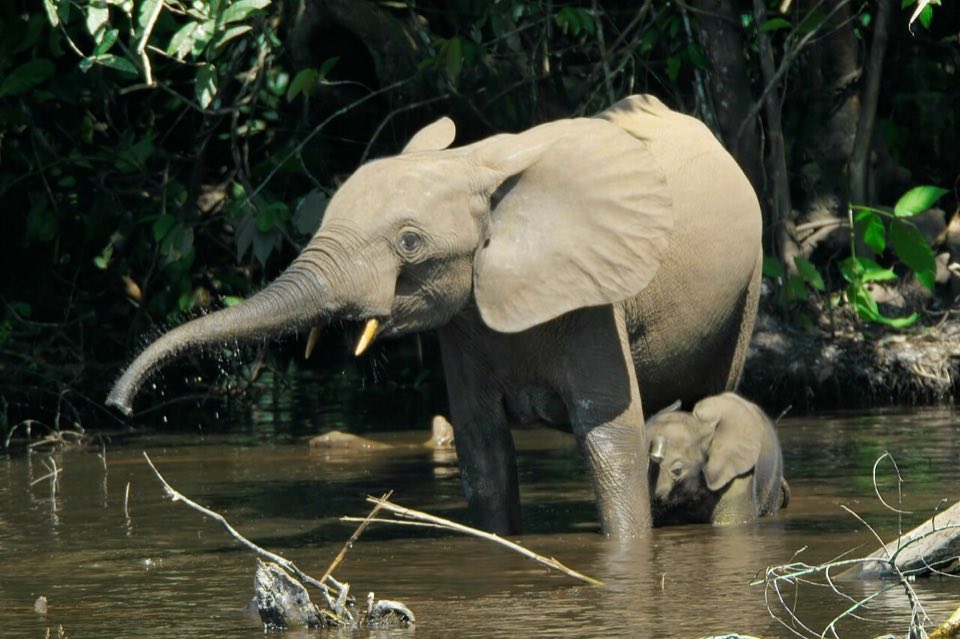
Western lowland gorilla (the Mbeli study population, monitored since 1995), forest elephant, sitatunga, forest buffalo; chimpanzees at Goualougo (research only); grey parrots. Nouabalé-Ndoki National Park, Sangha, Republic of the Congo.
Best time: 15 Dec – 28 Feb (December to February). Where: Mbeli Bai – observation platform and Mbeli camp, Mondika – research camp, Bomassa – park headquarters (Republic of the Congo). Time of day: The Mbeli platform is manned from first light to dusk.
- Guide, ranger or boat needed
- Entry fee
- Binoculars essential
- Sound 4/5
Open it in the interactive calendarSunrise and sunset listening times for the day you pick, and the map.
When is the best time?
Peak: 15 Dec – 28 Feb. Mid December to February (dry) and June–August: gorilla families visit the bai on most days to feed on aquatic plants; elephants come mainly at night
Active from 1 Dec to 31 Aug (December to August) in a typical year.
Time of day
The Mbeli platform is manned from first light to dusk; gorillas typically arrive mid-morning to early afternoon; elephants and the bai's night chorus after dark
- Platform hours: sunrise → sunset
- Gorilla visits (typical): 10:00 → 15:00
- Elephants at night: last light → sunrise
What will you hear?
A silverback's chest-beats and a family's contented feeding grunts in the open, from a platform 20 m above one of the Congo Basin's most-watched clearings; elephants splashing at night, sitatunga barking, parrots at dawn, and a rainforest with no engine within a day's walk.
Binoculars?
Binoculars essential. The platform is 20 m up and the gorillas feed 100–300 m out in the bai; binoculars needed, a scope is the norm.
Where to go
- Mbeli Bai – observation platform and Mbeli camp — The research platform on the bai edge; simple stilted huts nearby for visitors, run with the park. Map
- Mondika – research camp — Habituated gorilla groups on the CAR border; very basic tented research base, visits by arrangement. Map
- Bomassa – park headquarters — WCS/park base on the Sangha river; boat and vehicle access from Ouesso. Map
How to go on your own, and what it costs
Eco-guides and park booking are compulsory (park rule). Cheapest legal way: contact the park/WCS office in Brazzaville (+242 05 747 21 21) or Bomassa directly, travel overland to Ouesso by bus and by public pirogue up the Sangha to Bomassa, and stay in the park's own huts rather than booking a fly-in package.
Cost: Park entry, eco-guide and hut fees per day, plus boat transfers; check current prices with the park.
Free or no-guide alternative: No free way to the bai. The Sangha river at Ouesso and the villages along it are public: hornbills, parrots and the river dawn cost nothing from the bank.
Who runs access
- Nouabalé-Ndoki National Park (WCS Congo) – eco-guides, Mbeli and Mondika camps (park authority) — Park-run
Field-recording notes
The park is run by the Government of Congo and WCS through the Nouabalé-Ndoki Foundation, and all visits are booked through the park with eco-guides (rule). The Mbeli platform is a research site: silence on the platform, no playback, and the researchers' distance rules for gorillas apply. Getting there — Brazzaville to Ouesso by road or air, then the Sangha by boat to Bomassa, then a walk — takes days and is the cost. Humidity total, no power at the bai, sweat bees by day. The CAR border is a few kilometres away; check current travel advice.
Sources
Similar spectacles
 Lobéké bais: elephants, gorillas and grey parrots at the clearingsGrey parrot flocks whistling and screeching over Djangui, elephants splashing, rumbling and trumpeting in the mud of Petite Savane, gorilla chest-beats from the edge, forest hogs grunting, and the rainforest dawn behind it all.
 Langoué Bai: elephants, gorillas and red river hogs at the Ivindo clearingA bai at night is the best elephant listening in Central Africa: rumbles, trumpets, splashing and the squabbling of family groups at the mineral pools, with tree hyrax, frogs and owls in the forest ring. By day, red river hog groups of fifty, gorilla chest-beats and 'hoo' series from the edge, and the whistles of grey parrots in hundreds.
 Monte Alén: the Río Muni rainforest dawn, elephants and the goliath frog riversA Central African lowland chorus: hornbills whooshing overhead, the bubbling of greenbuls and the far pant-hoots of chimpanzees, mandrill grunts, elephant rumbles at the swamp edge. The goliath frog itself is nearly silent (no vocal sac) — its rivers are a night of other frogs and the roar of water over rock.
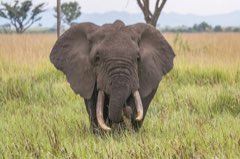 Comoé: elephants, hippos and the savanna-forest mosaicHippos bellowing on the Comoé at dusk, elephants at the river pools, lions are not to be expected but spotted hyena whoop; the ground hornbill's booming duet at dawn and the harmattan wind in the gallery forest.
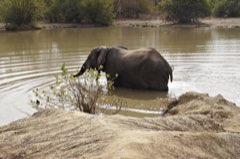 Elephants at the Mole waterholesElephants splashing, rumbling and trumpeting at the waterhole, baboon alarm barks off the escarpment, hyena whoops after dark, and a savanna dawn of helmeted guineafowl, hornbills and doves.
 Yankari: elephants on the Gaji river and Wikki nightsElephants at the Gaji river pools, baboon troops around Wikki camp, a savanna dawn of francolins, doves and hornbills, and at night the warm-spring valley's bats, nightjars and owls.
More: all spectacles in the Republic of the Congo · elephants · gorillas · mountain wildlife · the Republic of the Congo in January · February · the Republic of the Congo in December