
White storks bill-clattering on the Chellah walls, Rabat
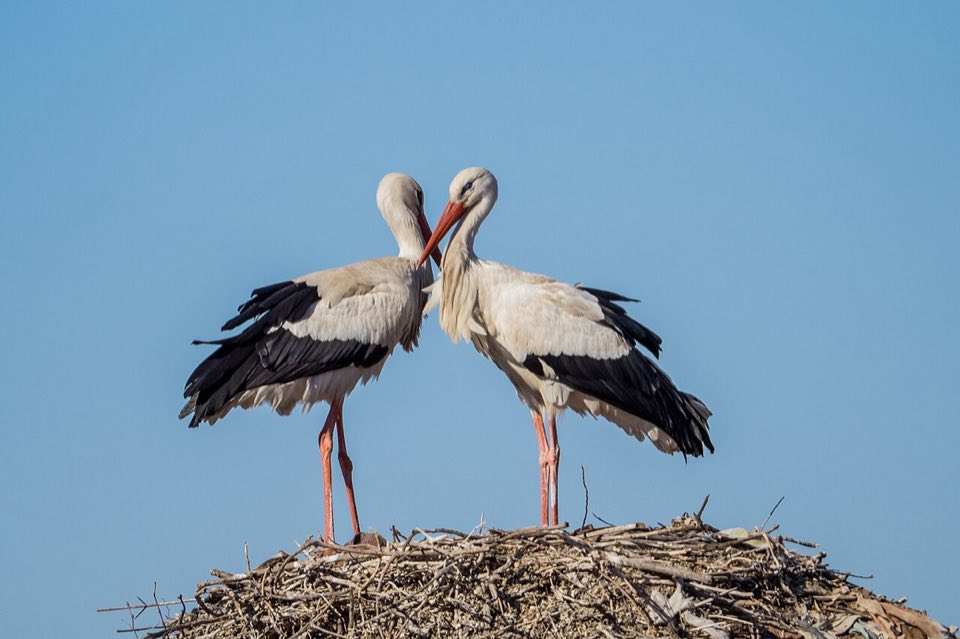
White stork (Ciconia ciconia). Rabat (also Marrakech, Meknès, Fès), Morocco.
Best time: 1 Feb – 30 Apr (February to April). Where: Chellah necropolis, Rabat, El Badi Palace, Marrakech, Meknès – Bab Mansour & city walls (Morocco). Time of day: Late afternoon into the last hour of light, when pairs greet each other at the nest.
- You can go on your own
- Low cost
- No binoculars needed
- Sound 4/5
Open it in the interactive calendarSunrise and sunset listening times for the day you pick, and the map.
When is the best time?
Peak: 1 Feb – 30 Apr. February to April — nest-building, pair displays and the loudest clattering; chicks in May
Active from 1 Jan to 30 Jun (January to June) in a typical year.
Time of day
Late afternoon into the last hour of light, when pairs greet each other at the nest; also the first hour after sunrise before the city wakes
- Dawn greeting: sunrise → 1 h after sunrise
- Evening greeting: 2 h before sunset → sunset
What will you hear?
Dozens of pairs bill-clattering with heads thrown back on the minaret and the medieval walls, wings thumping on landing, and below them the cattle egret roost and the Bou Regreg valley.
Binoculars?
No binoculars needed. Storks clatter on the minaret and walls above the road; naked eye.
Where to go
- Chellah necropolis, Rabat — Colony on the ruined zawiya minaret, the walls and the trees; a UNESCO site with an entrance fee and daytime hours (closes before sunset), so the evening chorus is heard from the road outside the walls. Map
- El Badi Palace, Marrakech — Stork nests along the red walls; entrance fee, daytime only; the medina noise is substantial. Map
- Meknès – Bab Mansour & city walls — Nests on the ramparts around the old city. Map
How to go on your own, and what it costs
Rabat tram to the Chellah stop; the necropolis has an entrance fee and daytime hours, but the storks are heard and seen free from the road and gardens outside the walls, including the dusk chorus after closing.
Cost: Free from outside; Chellah entry 70 MAD adult (120 MAD with audio guide), 30 MAD children 7–14, under 7 free, 50% off for Moroccans and residents (2026).
Free or no-guide alternative: Stand on the public road below the outer wall (Avenue Al Marsa side) or in the gardens outside the gate at last light: the whole colony clatters overhead without a ticket.
Field-recording notes
This is a city recording: traffic on the Chellah road, the tram, calls to prayer (which can be a feature), and a stream of visitors inside the site in the afternoon. The clattering is impulsive and loud — meters set for peaks, not for the ambience. The site opens mid-morning and closes around dusk, so the roost calls at last light are taken from the gardens outside. No access to the walls or minaret; nests are protected. Winter: a growing share of Moroccan storks no longer migrate, so some pairs are on nests by December.
Sources
Similar spectacles
 Tree-nesting white stork colony, March floodplainBill-clattering across a colony of 40–50 nests in the oak canopy, chick hissing, black-headed gulls from the oxbows, oriole, nightingale, tree frogs and fire-bellied toads in the flooded meadows, Konik horses.
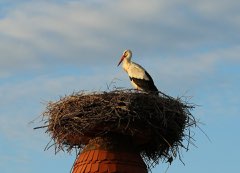 Stork villages: Rühstädt and BergenhusenBill-clattering duets from nests on every roof, hissing chicks begging in June, the whoosh of adults landing; swallows, village sparrows and church bells; cranes and geese on the Elbe floodplain behind.
 White stork village and floodplain summer, Lonjsko poljeBill-clattering duets from every rooftop, chick hissing and begging, spoonbill and heron colonies, marsh and pool frogs from the oxbows, corncrake and quail in the meadows at night, cattle bells and village life.
 The Zwin: wader passage, ringing season and the stork colonyBill-clattering of storks greeting at the nest; dunlin and redshank flocks over the salt marsh at the top of the tide; curlews; the sea behind the dunes; in autumn a steady trickle of migrating pipits and finches over the dike.
 Strait of Gibraltar: raptor & stork passageMostly visual — kettles of thousands — but bee-eater flocks pour over calling all day, honey buzzards pass at head height in a levante, and the stork pre-roost at Los Lances is a bill-clattering crowd.
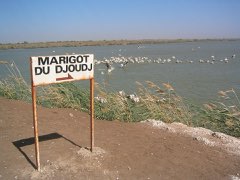 Great white pelican colony at DjoudjA wall of pelican grunts and chick begging from a few thousand pairs packed onto low islets a boat-length away, wings slapping water as flotillas fish in formation, and darters and cormorants in the tamarisks.
More: all spectacles in Morocco · storks · stork, heron and flamingo colonies · Morocco in February · Morocco in March · Morocco in April