
White stork village and floodplain summer, Lonjsko polje
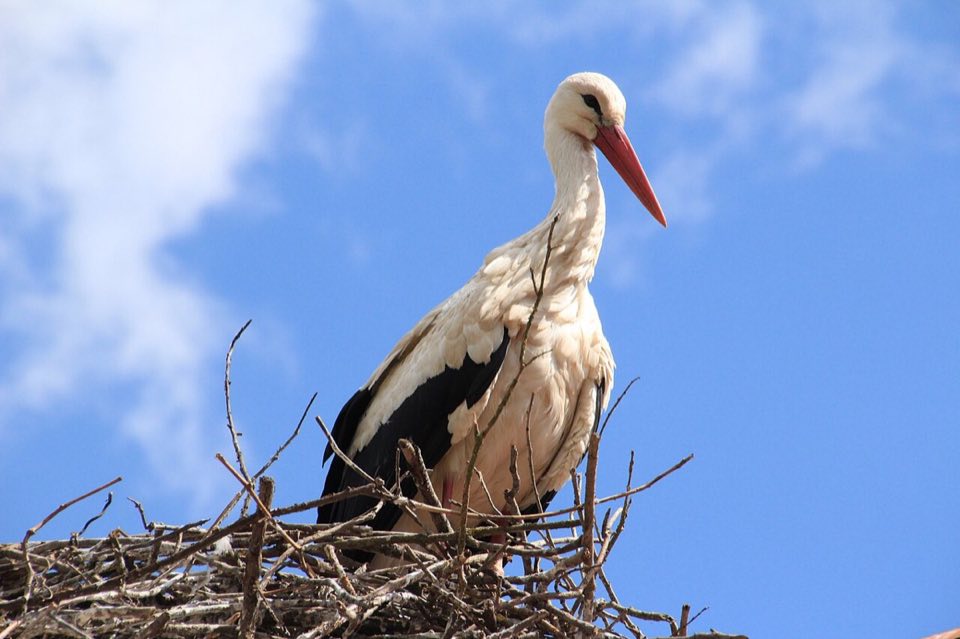
White stork (Ciconia ciconia) — 200+ birds in Čigoć; spoonbill and heron colonies at Krapje Đol; corncrake, lesser spotted eagle, saker. Lonjsko polje Nature Park, Sava floodplain (Posavina), Croatia.
Best time: 1 May – 15 Jul (May to July). Where: Čigoć – European Stork Village, Krapje Đol ornithological reserve, Osekovo / Repušnica meadows (northern polje) (Croatia). Time of day: Village bill-clattering from first light to 07:00, before traffic.
- You can go on your own
- Low cost
- No binoculars needed
- Sound 4/5
Open it in the interactive calendarSunrise and sunset listening times for the day you pick, and the map.
When is the best time?
Peak: 1 May – 15 Jul. May to mid July, chicks in the nests; storks arrive around 15 March and leave around 15–25 August
Active from 15 Mar to 20 Aug (March to August) in a typical year.
Time of day
Village bill-clattering from first light to 07:00, before traffic; adults return to the nests and clatter again from about 2 h before sunset to dusk; corncrakes and frogs after dark.
- Dawn village chorus: 30 min before sunrise → 07:00
- Evening return: 2 h before sunset → last light
What will you hear?
Bill-clattering duets from every rooftop, chick hissing and begging, spoonbill and heron colonies, marsh and pool frogs from the oxbows, corncrake and quail in the meadows at night, cattle bells and village life.
Binoculars?
No binoculars needed. Storks clatter on the rooftops above the street; binoculars only for the Krapje Đol colony from the dyke.
Where to go
- Čigoć – European Stork Village — Wooden Posavina houses with up to 45 nests; park info centre; the most concentrated stork sound in Europe. Map
- Krapje Đol ornithological reserve — First ornithological reserve in Croatia (1963); spoonbill, night heron and egret colony in an oxbow. Viewed from the dyke. Map
- Osekovo / Repušnica meadows (northern polje) — Wet pastures grazed by Posavina horses and Turopolje pigs; corncrake, whinchat, spoonbills feeding. Map
How to go on your own, and what it costs
Čigoć: the village street is public — stand under the nests before 07:00, free (bus from Sisak; park by the info centre). The park's info centres, trails and boat tour need a park ticket (2026 price list on the park site). Krapje Đol: view from the public dyke only. Osekovo meadows: the flood-dyke roads.
Cost: Village street free; park ticket for trails/info centres and boat tour (check the park's 2026 price list).
Field-recording notes
The village road through Čigoć carries local traffic and tour buses from mid-morning — before 07:00 it is only storks, cocks and church bells, which is the sound you want. Nests are on private roofs: record from the street or with owners' consent. Krapje Đol is a strict reserve — dyke only, no boats. The polje floods spring and autumn; roads across it close, which also removes the noise. Motorway A3 (Zagreb–Slavonski Brod) is 10 km north and audible as a faint band in a north wind.
Sources
Similar spectacles
 Tree-nesting white stork colony, March floodplainBill-clattering across a colony of 40–50 nests in the oak canopy, chick hissing, black-headed gulls from the oxbows, oriole, nightingale, tree frogs and fire-bellied toads in the flooded meadows, Konik horses.
 Stork villages: Rühstädt and BergenhusenBill-clattering duets from nests on every roof, hissing chicks begging in June, the whoosh of adults landing; swallows, village sparrows and church bells; cranes and geese on the Elbe floodplain behind.
 White storks bill-clattering on the Chellah walls, RabatDozens of pairs bill-clattering with heads thrown back on the minaret and the medieval walls, wings thumping on landing, and below them the cattle egret roost and the Bou Regreg valley.
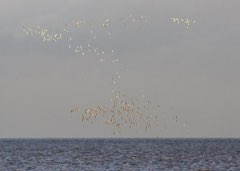 The Zwin: wader passage, ringing season and the stork colonyBill-clattering of storks greeting at the nest; dunlin and redshank flocks over the salt marsh at the top of the tide; curlews; the sea behind the dunes; in autumn a steady trickle of migrating pipits and finches over the dike.
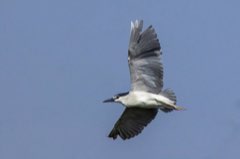 Heron colonies ('garzaie')Croaking, gargling colony noise, night heron 'quok' calls at dusk, begging chicks.
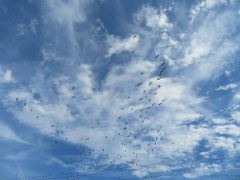 Fuente de Piedra: the great flamingo colonyTwenty thousand flamingos honking, growling and gabbling across a flat salt lagoon — the colony is a continuous roar from kilometres away on a still morning — with the goose-like flight calls of flocks commuting to feed, gull-billed terns and stilts yelping over the shallows.
More: all spectacles in Croatia · storks · stork, heron and flamingo colonies · Croatia in May · Croatia in June · Croatia in July