
Douala-Edéa and Lake Ossa: manatees, mangroves and the Sanaga mouth
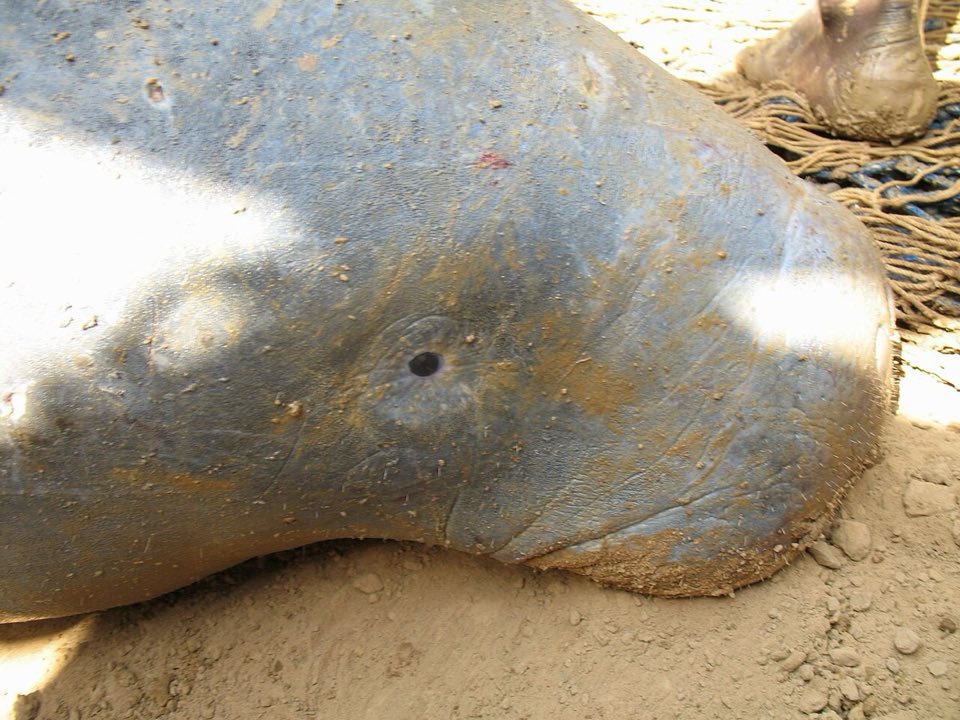
African manatee (Trichechus senegalensis), hippopotamus, dwarf crocodile; herons, egrets, terns, Palearctic waders on the estuary; grey parrots in the mangroves. Douala-Edéa National Park and Lake Ossa, Littoral Region, Cameroon.
Best time: 1 Dec – 15 Feb (December to February). Where: Lake Ossa – Dizangué, Yoyo – Sanaga mouth and mangroves, Mouanko – park office (Cameroon). Time of day: Pirogue on Lake Ossa from sunrise for three hours.
- Partly on your own
- Low cost
- Binoculars helpful
- Sound 3/5
Open it in the interactive calendarSunrise and sunset listening times for the day you pick, and the map.
When is the best time?
Peak: 1 Dec – 15 Feb. December to mid February: the drier season, calmer water and the best chance of manatees at the surface on Lake Ossa
Active from 15 Nov to 15 Mar (November to March) in a typical year.
Time of day
Pirogue on Lake Ossa from sunrise for three hours; manatees surface most at dusk and in the first hours of dark; grey parrots go to roost in the mangroves in the last hour of light
- Lake by pirogue: sunrise → 3 h after sunrise
- Parrot roost & manatees: 1 h before sunset → 2 h after last light
Depends on the tide: best around low tide. Check local tide tables.
What will you hear?
Grey parrot roost flights whistling over the mangroves at dusk, egrets and herons settling, the Sanaga estuary's terns, and at Lake Ossa the soft blows of manatees surfacing in the dark.
Binoculars?
Binoculars helpful. Parrots stream to roost overhead at dusk; binoculars for egrets and terns on the estuary, manatees are heard not seen.
Where to go
- Lake Ossa – Dizangué — Lake Ossa Wildlife Reserve; AMMCO has a manatee programme here and works with fishermen who take visitors out. Map
- Yoyo – Sanaga mouth and mangroves — Fishing village at the estuary inside the national park; pirogues into the mangrove channels. Map
- Mouanko – park office — Douala-Edéa National Park headquarters for permits and guides. Map
How to go on your own, and what it costs
Bus Douala–Edéa–Dizangué; hire a fisherman's pirogue at Lake Ossa (negotiate; no guide requirement on the lake, though AMMCO's local team is worth asking for the right bay). The national park mangroves need the park fee and a guide from Mouanko.
Cost: Pirogue hire by negotiation on Lake Ossa; park entry and guide for Douala-Edéa, check current prices.
Free or no-guide alternative: The public lakeshore at Dizangué and the beach at Yoyo (outside the mangrove core) are free: the parrot roost flights and the estuary birds cost nothing, manatees are a matter of patience from the shore at dusk.
Field-recording notes
Douala-Edéa became a national park in 2018: entry fee and a guide from the Mouanko office for the park, fishermen's pirogues at Lake Ossa (a wildlife reserve) with AMMCO's advice. Manatees are strictly protected and easily disturbed — no pursuit, a hydrophone from a stationary pirogue at dusk is the only method. Outboards, and the industrial plantations around Ossa, are the noise; the Douala port and refinery are audible on the northern estuary. Mosquitoes in the mangroves at dusk are relentless.
Sources
- Douala-Edéa and Lake Ossa Wildlife Reserves – ZSL
- AMMCO – African Marine Mammal Conservation Organization
Similar spectacles
 Mangroves of the Congo mouth: manatees, turtle beaches and the only marine park in the DRCA mangrove dawn: the drip and click of the Rhizophora at low water, kingfishers, herons, fish eagles, the blow of a manatee surfacing in a side channel (a short, sharp exhalation, easy to miss), hippos grunting in the back creeks; at night on the beach, surf and a nesting ridley's scraping — and the Congo's current audible against the sandbanks at Banana.
 Azagny: manatees, Palearctic waders and the lagoon canalA quiet lagoon soundscape: whimbrel and greenshank calls across the flats, herons and darters from the mangroves, kingfishers along the canal and, if you are lucky, the soft blow of a manatee surfacing at dusk.
 Bouche du Roy: mangroves, manatees and the Mono estuaryA mangrove soundscape: kingfishers and herons, mudskippers popping at low water, whimbrel and terns on the sand at the river mouth, and, rarely, the blow of a manatee in a still channel.
 Wolf howling and Ural owls, Kočevski Rog nightsPack howls with high pup yips from rendezvous sites, carrying several km across karst dolines; Ural owl's deep barking 'wuh-wuh-wuho' and female's hoarse calls; Tengmalm's owl in late winter; red deer in the same windows from mid September.
 Golden jackal choruses of DalmatiaThe rising, yelping, quavering group howl of a jackal family — three or four voices climbing over each other for half a minute — answered from the next olive grove and the next, with scops owls, nightjars and crickets underneath on summer nights and silence and sea on winter ones.
 Wolf howlingChorus howls from family packs, including pups' high wavering howls, answering from across a valley.
More: all spectacles in Cameroon · manatees · wildlife at night · Cameroon in January · Cameroon in February · Cameroon in December