
Breskens: spring migration over the Westerschelde dike
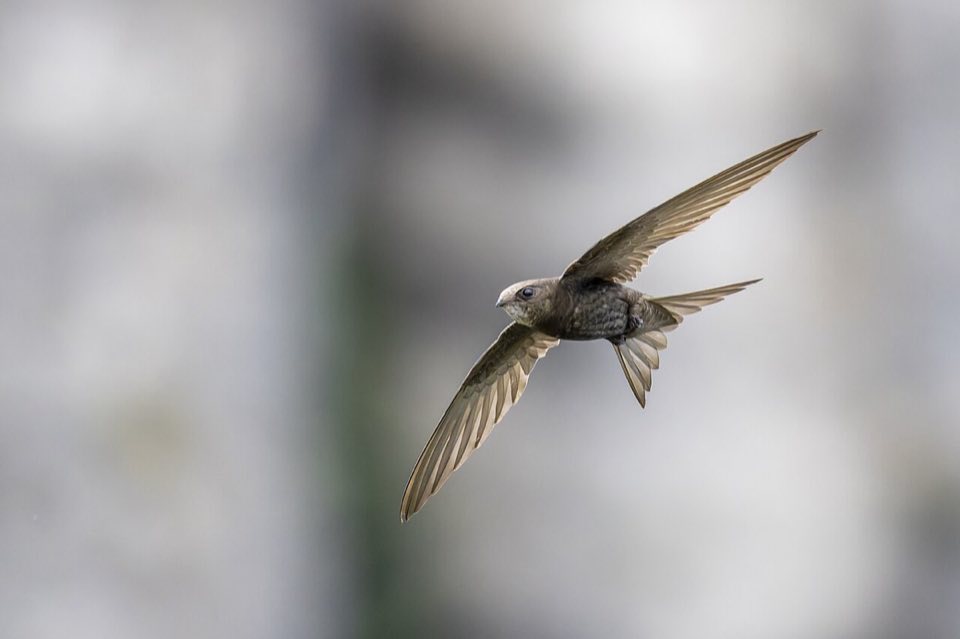
Swifts (24,257 on 5 May 2016), hirundines, meadow pipits, yellow wagtails, chaffinches, black-tailed godwits in March, marsh and Montagu's harriers, honey buzzards, bee-eaters; rarities such as griffon vultures (11 on 7 May 2016). Breskens, Zeeuws-Vlaanderen (Westerschelde mouth), Netherlands.
Best time: 20 Apr – 15 May (April to May). Where: Telpost Breskens – sea dike west of the village, near Nieuwesluis, Breskens ferry harbour (Veerhaven) (Netherlands). Time of day: Counters are on the dike from first light.
- You can go on your own
- Free
- Binoculars helpful
- Sound 4/5
Open it in the interactive calendarSunrise and sunset listening times for the day you pick, and the map.
When is the best time?
Peak: 20 Apr – 15 May. Last ten days of April to mid May; godwit and finch waves in March; the big top days come with easterly winds in early May
Active from 1 Mar to 31 May (March to May) in a typical year.
Time of day
Counters are on the dike from first light; the mass of passerines and swifts moves in the first 3–4 hours after sunrise, raptors from late morning once the air warms. Easterly or south-easterly winds (offshore) concentrate the stream over the dike.
- Dawn passerine and swift passage: 15 min before sunrise → 4 h after sunrise
- Raptors on thermals: 10:00 → 14:00
What will you hear?
A river of flight calls — meadow pipit, yellow wagtail, finches, linnets — low over your head, with the Westerschelde ships behind; screaming swift flocks on a May top day; harriers silent overhead; a crowd of counters calling out species.
Binoculars?
Binoculars helpful. Most birds pass low over the dike and are heard first; binoculars for raptors over the estuary; counters' scopes pick up distant harriers.
Where to go
- Telpost Breskens – sea dike west of the village, near Nieuwesluis — Public dike, free; on May top days 100+ birders gather on the dike; park in the village or by the dike road and walk up. Map
- Breskens ferry harbour (Veerhaven) — Arrive car-free from Vlissingen on the foot/bike ferry; the harbour pier is another vantage point for seabirds and porpoises. Map
How to go on your own, and what it costs
From Vlissingen take the foot/bike ferry to Breskens (car-free) or drive via the Westerscheldetunnel; walk or cycle west along the sea dike towards Nieuwesluis to the counting post. Free, open at all hours. Daily results on trektellen.nl ('Breskens').
Cost: Free (ferry fare from Vlissingen for foot passengers — check current prices).
Field-recording notes
The dike is a public road with cyclists and counters — the sound is the birds, not silence; record facing the polder for passerine calls and accept the estuary shipping as backdrop (big ships on the Westerschelde are constant). Best mornings are warm with east wind, which also carries noise from the village. Trektellen.nl publishes daily counts from Breskens: check the previous days' totals and the wind forecast before a long drive. No access issues, no permits; it is a dike.
Sources
Similar spectacles
 Spring crane staging: Hornborgasjön and PulkenThousands of cranes bugling in chorus — trumpeting that carries for kilometres, rising to a roar when a flock lifts; unison calls of pairs, wing noise of landing flocks, whooper swans and lapwings in the background.
 Spring migration counts: Col de l'Escrinet, Pointe de Grave and Le HucelA river of chaffinch flight calls over the col at dawn, meadow pipits, serins and linnets in the flocks, woodpigeon wing-clatter, cranes bugling northwards in March, and at Pointe de Grave the May sound of swifts screaming low over the dunes and bee-eaters calling in off the Gironde — one of the few places in France where spring migration is a sound you can stand under.
 Neretva delta: the Adriatic flyway stopoverBittern booming from the reeds, whiskered and black terns over the lagoons, marsh frogs, great reed warblers, glossy ibis and egret flights at dusk, Cetti's warbler explosions; frog and cicada layers by June.
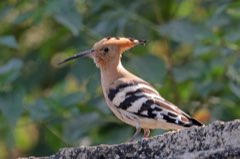 Spring passage on small islandsIsland scrub full of freshly arrived, singing migrants after 'falls', with night flight calls overhead.
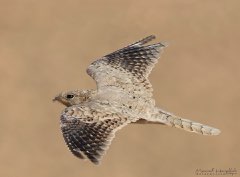 Spring passage and desert night birds around MerzougaThe desert's two great night voices — the endless churring of Egyptian nightjar and the deep hoot of pharaoh eagle-owl — over a noise floor close to nothing; by day, the surprise of a full Palearctic passerine chorus grounded in a dune-edge tamarisk oasis, sandgrouse arriving to drink, and flamingo and shelduck on the salt lake in a wet year.
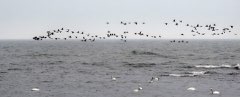 Ottenby: autumn at the southern tip of ÖlandOn fall mornings the Lund rustles with hundreds of goldcrests and robins ticking; eider and long-tailed duck flocks calling as they round the point; wind and surf; eagles' yelps over the meadows in October.
More: all spectacles in the Netherlands · bird migration hotspots · April · the Netherlands in May