
Spring passage and desert night birds around Merzouga
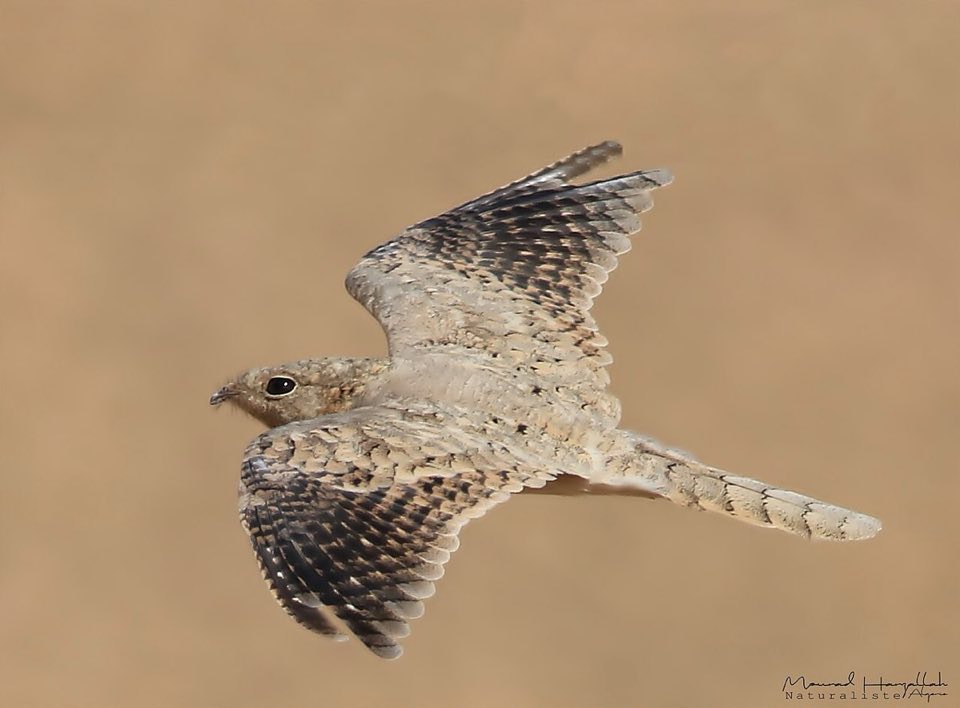
Palearctic passerines on passage (wheatears, warblers, shrikes, bee-eaters), Egyptian nightjar (Caprimulgus aegyptius), pharaoh eagle-owl, desert sparrow, sandgrouse, greater flamingo on Dayet Srji. Erg Chebbi, Tafilalet (south-east), Morocco.
Best time: 20 Mar – 25 Apr (March to April). Where: Dayet Srji salt lake (west of Merzouga), Erg Chebbi – Auberge belt and tamarisk hollows, Rissani palmeries (Morocco). Time of day: Dawn and the first 3 hours for passage birds on the oasis and lake edge.
- You can go on your own
- Free
- Binoculars helpful
- Sound 4/5
Open it in the interactive calendarSunrise and sunset listening times for the day you pick, and the map.
When is the best time?
Peak: 20 Mar – 25 Apr. Last ten days of March to late April; nightjars are calling from early April
Active from 1 Mar to 15 May (March to May) in a typical year.
Time of day
Dawn and the first 3 hours for passage birds on the oasis and lake edge; nightjars and eagle-owls from dusk until about 2 hours after, and again before dawn
- Oasis passage: first light → 3 h after sunrise
- Nightjar & owl: sunset → 2 h after last light
What will you hear?
The desert's two great night voices — the endless churring of Egyptian nightjar and the deep hoot of pharaoh eagle-owl — over a noise floor close to nothing; by day, the surprise of a full Palearctic passerine chorus grounded in a dune-edge tamarisk oasis, sandgrouse arriving to drink, and flamingo and shelduck on the salt lake in a wet year.
Binoculars?
Binoculars helpful. Nightjars and eagle-owls are heard in the dark; binoculars by day for migrants in the tamarisks and flamingos on Dayet Srji.
Where to go
- Dayet Srji salt lake (west of Merzouga) — Seasonal lake; full only after winter rain, when it holds flamingos, ruddy shelduck, marbled teal and stilts. Egyptian nightjars nest on its edges — local guides know the day roosts. Map
- Erg Chebbi – Auberge belt and tamarisk hollows — Any auberge garden at the dune foot works as a migrant trap; the hollows towards Taouz for desert sparrow and eagle-owl. Map
- Rissani palmeries — Migrant fall-out in the palm groves; heavy with village noise. Map
How to go on your own, and what it costs
Bus (CTM/Supratours) to Merzouga or Rissani; any auberge at the dune foot works as a base. Dayet Srji is a 20-minute walk west of Merzouga village and the tamarisk hollows are open desert — no gate, no fee, no guide required. Local guides (ask at the auberges) know nightjar day roosts, optional.
Cost: Free (2026); local bird guide optional, check current prices.
Field-recording notes
Dry, dust-laden air: the chergui wind gets up most spring afternoons and sand will find its way into anything unsealed — keep capsules capped, use a fur, and clean connectors nightly. Nights are dead calm and cold and among the lowest noise floors in the whole calendar, apart from 4x4 tours, quad bikes and auberge generators (most stop by 23:00). No permit needed outside the SIBE; nightjars are ground-nesters, so no torches on the nest sites and no walking the lake edge in April. Pharaoh eagle-owls respond to playback — don't.
Sources
Similar spectacles
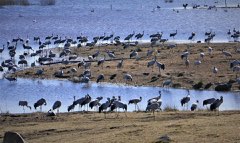 Spring crane staging: Hornborgasjön and PulkenThousands of cranes bugling in chorus — trumpeting that carries for kilometres, rising to a roar when a flock lifts; unison calls of pairs, wing noise of landing flocks, whooper swans and lapwings in the background.
 Cranes at Lac du DerTens of thousands of cranes bugling as they leave the lake at first light in wave after wave, then the evening return with the sky full of trumpeting skeins.
 Cranes at Laguna de GallocantaUp to 100,000 cranes lifting off the salt lagoon at first light in a continuous trumpeting roar that lasts half an hour, then skeins bugling over the steppe villages.
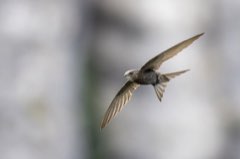 Breskens: spring migration over the Westerschelde dikeA river of flight calls — meadow pipit, yellow wagtail, finches, linnets — low over your head, with the Westerschelde ships behind; screaming swift flocks on a May top day; harriers silent overhead; a crowd of counters calling out species.
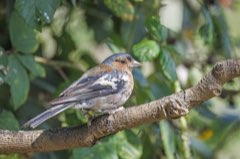 Spring migration counts: Col de l'Escrinet, Pointe de Grave and Le HucelA river of chaffinch flight calls over the col at dawn, meadow pipits, serins and linnets in the flocks, woodpigeon wing-clatter, cranes bugling northwards in March, and at Pointe de Grave the May sound of swifts screaming low over the dunes and bee-eaters calling in off the Gironde — one of the few places in France where spring migration is a sound you can stand under.
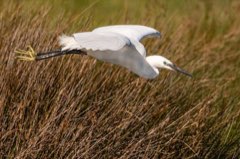 Neretva delta: the Adriatic flyway stopoverBittern booming from the reeds, whiskered and black terns over the lagoons, marsh frogs, great reed warblers, glossy ibis and egret flights at dusk, Cetti's warbler explosions; frog and cicada layers by June.
More: all spectacles in Morocco · bird migration hotspots · Morocco in March · Morocco in April