
Corncrakes calling on Tory, Inishbofin and the Mullet
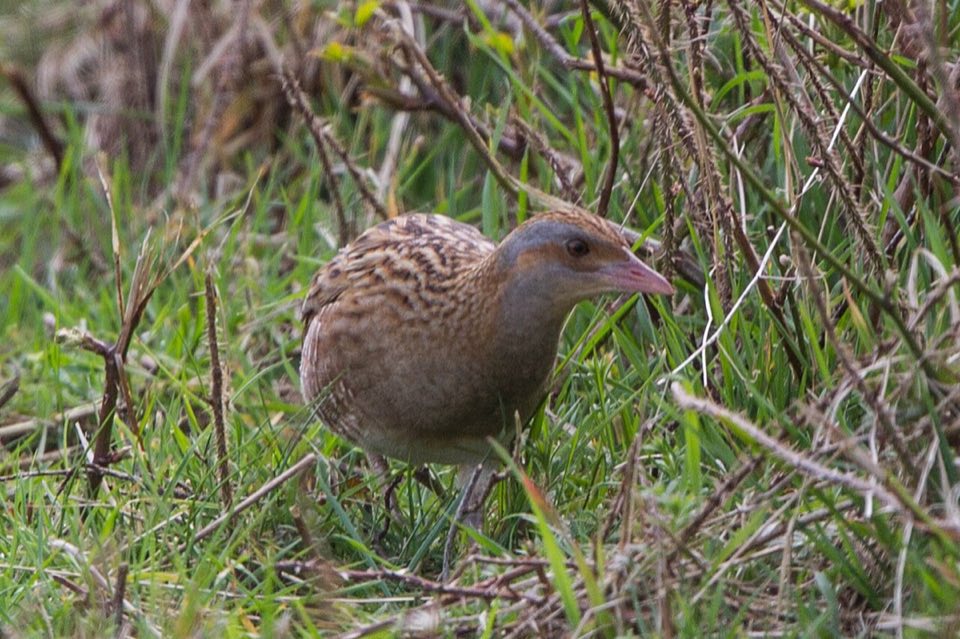
Corncrake (Crex crex) — 281 calling-male territories in 2025 (Tory Island 40, Mullet Peninsula 96, Inishbofin & Inishdooey 28). Donegal islands and the Mullet Peninsula, Co. Mayo, Ireland.
Best time: 20 May – 30 Jun (May to June). Where: Tory Island (Toraigh), Co. Donegal, Inishbofin (Inis Bó Finne), Co. Donegal, Mullet Peninsula – Termoncarragh Lake and Annagh Machair, Belmullet (Ireland). Time of day: Males crake from dusk through the night, loudest between 23:00 and 03:00 — exactly the census hours.
- You can go on your own
- Low cost
- No binoculars needed
- Sound 5/5
Open it in the interactive calendarSunrise and sunset listening times for the day you pick, and the map.
When is the best time?
Peak: 20 May – 30 Jun. Late May to end of June (the national census runs 20 May–10 July, 23:00–03:00); first birds from early April in warm springs
Active from 25 Apr to 15 Jul (April to July) in a typical year.
Time of day
Males crake from dusk through the night, loudest between 23:00 and 03:00 — exactly the census hours; a quieter bout at dawn. Mild, still nights are best; wind shuts them up.
- Night craking: last light → 03:00
- Dawn craking: 45 min before sunrise → 30 min after sunrise
What will you hear?
The rasping 'crex-crex' of corncrakes from iris beds and nettle patches, several males answering across the island, with snipe drumming, the Atlantic on the rocks and sheep — one of the last places in western Europe you can still hear a corncrake night.
Binoculars?
No binoculars needed. You will not see them; the 'crex-crex' is audible 500 m off across the hay meadows. A red torch for the road only.
Where to go
- Tory Island (Toraigh), Co. Donegal — Passenger ferry from Magheroarty pier (55.146, -8.173); 40 territories in 2025; small island, walk the single road at night. Map
- Inishbofin (Inis Bó Finne), Co. Donegal — Ferry from Machaire Uí Rabhartaigh (Magheroarty); 28 territories with Inishdooey in 2025. Map
- Mullet Peninsula – Termoncarragh Lake and Annagh Machair, Belmullet — Mainland stronghold (96 territories in 2025); public roads through the machair and crofts; NPWS corncrake grant scheme fields. Map
How to go on your own, and what it costs
Tory: passenger ferry from Magheroarty (Machaire Rabhartaigh) pier, stay on the island and walk the road after 23:00. Inishbofin (Donegal): ferry from Magheroarty. Mullet: drive the R313 to Belmullet, then the lanes around Termoncarragh Lake and Annagh at night. All public roads, free; keep out of the meadows.
Cost: Free on the Mullet; island ferries (check current prices).
Field-recording notes
Corncrakes call from private hay meadows and crofts: record from the public road or track, never enter the fields (nests and late mowing are the whole conservation effort). No playback — the species is protected and fieldworkers are surveying the same nights; a played call corrupts the census. Islands are near-silent at night apart from the sea and generators; the Mullet has light road traffic. Bring wind protection: calm nights are the only good ones and are rare. Ferries to Tory and Inishbofin are weather-dependent; stay overnight.
Sources
- NPWS – Corncrake Conservation Programme final report 2025 (territories by site, survey method 23:00–03:00)
- NPWS – 20% increase in corncrake territories recorded (Sept 2025)
Similar spectacles
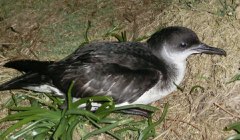 Manx shearwaters returning at nightHundreds of thousands of birds crashing in, with cackling, choking, hoarse calls from the air and burrows all around you.
 Nightjars churringContinuous mechanical churring with changes of gear, wing-claps, 'coo-ick' flight calls, with tree pipits and woodlarks at dusk.
 Nightjars churring on the Kalmthoutse HeideThe dry, sustained churr of nightjars from the pine edges, rising and falling as the bird turns its head, broken by 'kwik' calls and wing-claps; woodlarks' song at dusk, natterjacks rasping from the fens; the hum of the port of Antwerp on the horizon.
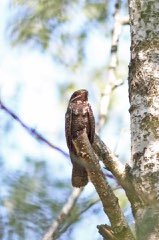 Nightjars and woodlarks of the Landes pine forestChurring nightjars from every clear-fell in Europe's largest planted forest, woodlarks still singing at dusk, and the surf from the Atlantic dunes if you are near the coast.
 Provençal nights: nightingale, scops owl & stone-curlewNightingales in every tamarisk, scops owls' 'tiu' on a 2–3 s metronome, stone-curlew wails from the Crau, nightjars churring on the garrigue, tree frogs from the marsh.
 Corncrakes and curlews of the Styrian EnnstalRasping corncrakes from the wet meadows, curlew bubbling and snipe drumming at dawn, quail, tree frogs from the raised bog, cowbells and the Enns.
More: all spectacles in Ireland · wildlife at night · Ireland in May · June