
Corncrakes and curlews of the Styrian Ennstal
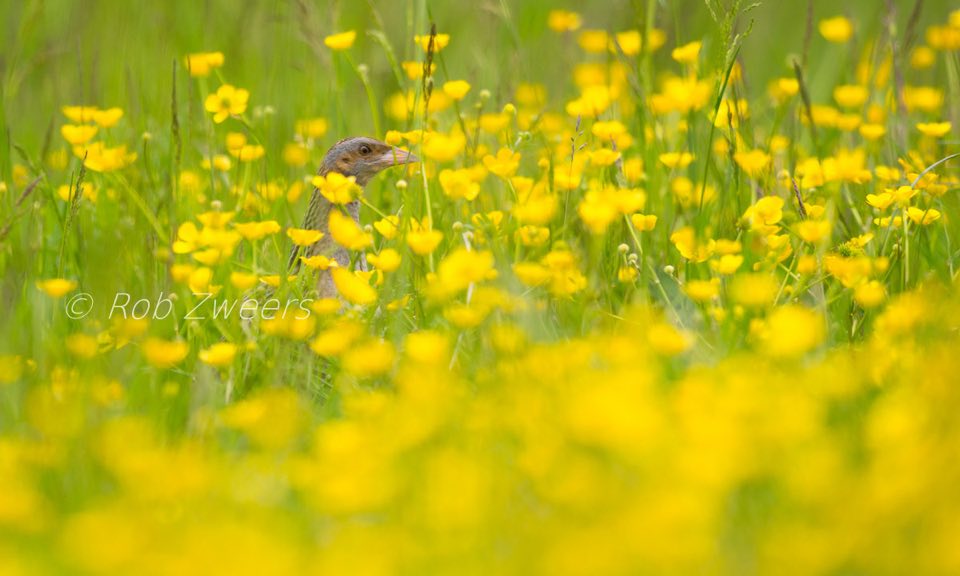
Corncrake (Crex crex) — Austria's main population; curlew, whinchat, snipe, quail; tree frogs in the fen. Ennstal between Liezen and Admont (Wörschacher Moos, Pürgschachen Moor), Austria.
Best time: 15 May – 20 Jun (May to June). Where: Wörschacher Moos (Wörschach – Liezen), Pürgschachen Moor (Ardning), Ennsauen near Admont (Austria). Time of day: Corncrakes from 22:00 to 03:00, best between freight trains.
- You can go on your own
- Free
- No binoculars needed
- Sound 5/5
Open it in the interactive calendarSunrise and sunset listening times for the day you pick, and the map.
When is the best time?
Peak: 15 May – 20 Jun. Mid May to 20 June, before the wet-meadow mowing
Active from 5 May to 5 Jul (May to July) in a typical year.
Time of day
Corncrakes from 22:00 to 03:00, best between freight trains; curlew bubbling and snipe drumming in the hour around sunrise.
- Night calling: 22:00 → 03:00
- Dawn waders: 45 min before sunrise → 1 h after sunrise
What will you hear?
Rasping corncrakes from the wet meadows, curlew bubbling and snipe drumming at dawn, quail, tree frogs from the raised bog, cowbells and the Enns.
Binoculars?
No binoculars needed. Night rasping from the meadows beside the boardwalk; binoculars only for curlews at dawn from the tower.
Where to go
- Wörschacher Moos (Wörschach – Liezen) — Fen meadows managed for corncrake and curlew under LIFE projects; boardwalk and observation tower. Map
- Pürgschachen Moor (Ardning) — Austria's best-preserved valley raised bog; boardwalk; tree frogs, corncrake at the edges. Map
- Ennsauen near Admont — Riverside meadows below the Gesäuse; quieter than the Liezen end. Map
How to go on your own, and what it costs
Wörschacher Moos: park at the Wörschach boardwalk entrance and use the boardwalk and tower — free, open at night. Pürgschachen Moor: the boardwalk from Ardning. Ennsauen: the riverside tracks below Admont. Tracks and boardwalks only; the meadows are private.
Cost: Free.
Field-recording notes
The Ennstal carries the B320 and the Salzburg–Graz railway — traffic dies after midnight but freight trains run all night, so record between them; the Ardning end is quieter. Meadows are private and corncrake nests are on the ground: record from tracks and the boardwalks, no entering uncut grass. Frost-fog on the valley floor in late May is superb acoustically. Mowing dates are contractually delayed to July on the managed parcels, so the peak lasts longer here than in unprotected valleys.
Sources
Similar spectacles
 Manx shearwaters returning at nightHundreds of thousands of birds crashing in, with cackling, choking, hoarse calls from the air and burrows all around you.
 Nightjars churringContinuous mechanical churring with changes of gear, wing-claps, 'coo-ick' flight calls, with tree pipits and woodlarks at dusk.
 Corncrakes calling on Tory, Inishbofin and the MulletThe rasping 'crex-crex' of corncrakes from iris beds and nettle patches, several males answering across the island, with snipe drumming, the Atlantic on the rocks and sheep — one of the last places in western Europe you can still hear a corncrake night.
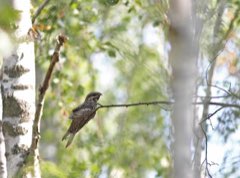 Nightjars churring on the Kalmthoutse HeideThe dry, sustained churr of nightjars from the pine edges, rising and falling as the bird turns its head, broken by 'kwik' calls and wing-claps; woodlarks' song at dusk, natterjacks rasping from the fens; the hum of the port of Antwerp on the horizon.
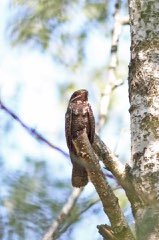 Nightjars and woodlarks of the Landes pine forestChurring nightjars from every clear-fell in Europe's largest planted forest, woodlarks still singing at dusk, and the surf from the Atlantic dunes if you are near the coast.
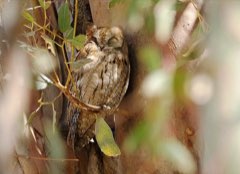 Provençal nights: nightingale, scops owl & stone-curlewNightingales in every tamarisk, scops owls' 'tiu' on a 2–3 s metronome, stone-curlew wails from the Crau, nightjars churring on the garrigue, tree frogs from the marsh.
More: all spectacles in Austria · wildlife at night · Austria in May · Austria in June