
Wechiau: hippos on the Black Volta at dusk
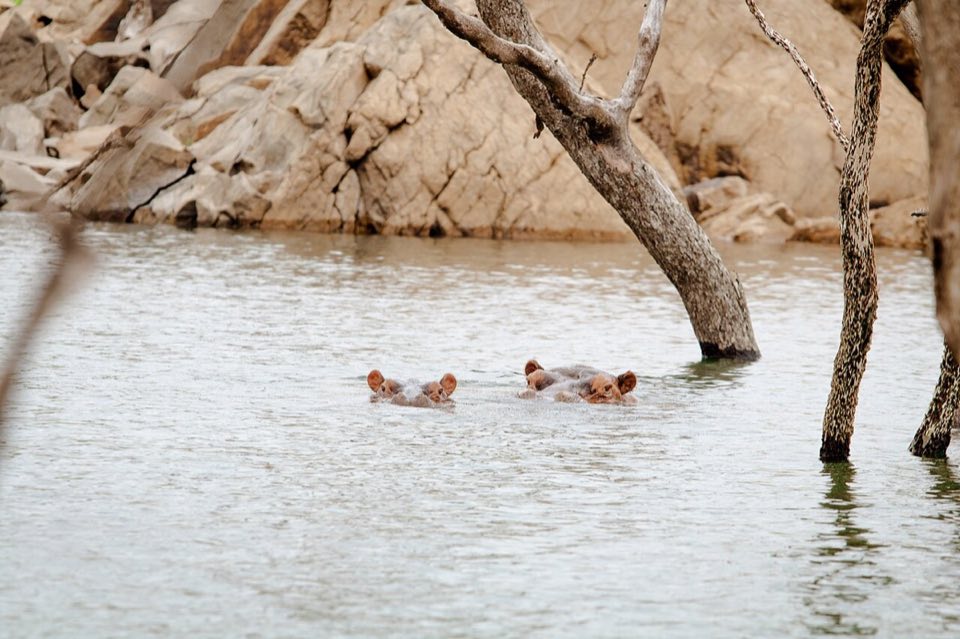
Hippopotamus (Hippopotamus amphibius) — about 40 resident, part of a population shared with Burkina Faso; over 250 bird species including Egyptian plover, carmine bee-eaters and fish eagles; Nile crocodile. Wechiau Community Hippo Sanctuary, Wa West (Upper West Region), Ghana.
Best time: 1 Dec – 31 Mar (December to March). Where: Wechiau – sanctuary visitor centre, Talawona – riverside camp and canoe landing, Black Volta hippo pools – Ghana/Burkina border river (Ghana). Time of day: Canoe safaris from about 06:30 to 09:00 and 15:30 to sunset.
- Partly on your own
- Entry fee
- Binoculars helpful
- Sound 4/5
Open it in the interactive calendarSunrise and sunset listening times for the day you pick, and the map.
When is the best time?
Peak: 1 Dec – 31 Mar. December to March: the river is low, the hippos are concentrated in the deep pools and easy to find from the canoe; by May the first rains refill the river and spread them out
Active from 1 Nov to 30 Apr (November to April) in a typical year.
Time of day
Canoe safaris from about 06:30 to 09:00 and 15:30 to sunset; the hippos leave the water to graze after dark and the grunting and splashing are best from the sanctuary's riverbank camp at Talawona from dusk to about 22:00 and again before dawn
- Morning canoe: 06:30 → 09:00
- Evening canoe: 15:30 → sunset
- Hippos leave the river: last light → 22:00
What will you hear?
The Black Volta's hippo pools: the stacked laughing grunt of a bull answered down the river, blows and splashes as the pod surfaces, then at dusk the heavy walk of hippos leaving the water to graze a few hundred metres from the Talawona camp. Egyptian plovers piping on the sandbars, fish eagles, carmine bee-eaters in the dry-season colonies on the banks.
Binoculars?
Binoculars helpful. Hippos surface 50–100 m from the canoe; binoculars for the plovers and bee-eaters on the far bank.
Where to go
- Wechiau – sanctuary visitor centre — Office in Wechiau town where fees are paid and guides assigned; about 45 km (2 hours on dirt) south-west of Wa. Map
- Talawona – riverside camp and canoe landing — The sanctuary's own Lobi-style rooms about 10 minutes beyond Wechiau by the river; canoes leave from here and the hippos graze nearby at night. Coordinates approximate. Map
- Black Volta hippo pools – Ghana/Burkina border river — The deep pools a short paddle from the landing; the canoe stays at the guide's distance. Coordinates approximate. Map
How to go on your own, and what it costs
Tro-tro or taxi Wa–Wechiau (about 2 hours), pay at the visitor centre, sleep at the sanctuary's Talawona rooms, canoe with the sanctuary's guide (compulsory on the water). No private boats. The riverbank around the lodge is walkable with a guide at dawn.
Cost: Entry for non-Ghanaians roughly GHS 30–50 plus a guided canoe (about GHS 100–150 per group) and the Talawona night (basic, about GHS 20–50) — all unverified third-party figures; check current prices at the visitor centre.
Free or no-guide alternative: There is no cheaper way to the pools than the community canoe, which is the point of the sanctuary; the Talawona riverbank at night gives the hippo chorus for the price of the bed.
Field-recording notes
Canoe trips are guided and paddled — quiet, but the guide sets the distance and hippos are the most dangerous animal on the river; no insisting. The Talawona camp is the overnight listening post: no generator at night, no road, a 40 km stretch of river with nothing on it. Harmattan haze and dust from December to February; the air is driest and sound carries furthest in the cold pre-dawn hours. Community-run (20 villages, chiefs' council; supported by the Calgary Zoo / Wilder Institute) — pay the fees, hire the local guide, and the money stays here. Egyptian plovers on the sandbars are a bonus for the dry season.
Sources
- Wechiau Community Hippo Sanctuary (Wikipedia)
- Wechiau hippo sanctuary – community-led conservation (about 40 hippos, November–April best, canoe safaris, eco-lodge)
Similar spectacles
 Comoé: elephants, hippos and the savanna-forest mosaicHippos bellowing on the Comoé at dusk, elephants at the river pools, lions are not to be expected but spotted hyena whoop; the ground hornbill's booming duet at dawn and the harmattan wind in the gallery forest.
 Bénoué: hippos on the river at Buffle Noir and the Guinea-savanna dry seasonThe Bénoué at the dry-season low: hippo pods grunting and blowing a hundred metres below the camp terrace, the splash and heavy tread as they come out after dark, lion at a distance on still nights, the hoot of ground hornbills and the piping of Egyptian plovers on the sandbars at dawn; carmine bee-eaters in their thousands at the river-bank colonies.
 Loango: forest elephants, buffalo and hippos on the ocean beachSurf behind everything. Elephants are near-silent on sand, but the rumbles and the crack of branches at the forest edge carry at dawn; hippo grunts from the lagoons at dusk; red river hog groups snuffling through the leaf litter; the chatter of river-martin flocks over the water in August–October and chimpanzee pant-hoots from the forest behind Akaka in the wet season.
 Sapo National Park — pygmy hippo, elephants and the deepest forest in West AfricaPrimary Upper Guinea rainforest with nothing man-made within a day's walk: casqued hornbills, chimps, Diana monkeys, the whistles of duikers, elephants rumbling at night, tree hyrax, and the full insect and frog layer of a forest that has never been logged.
 Pendjari: lions, elephants and hippos at the dry-season poolsLions roaring across the Pendjari plain in the small hours — one of the few places in West Africa where this is still likely — hippos bellowing at Mare Bali, elephants at the pools, hyena whoops and a savanna dawn of francolins, ground hornbills and doves.
 Niokolo-Koba — hippos, lions and the Gambia river in the dry seasonHippo pods bellowing on the Gambia river below the Simenti terrace, lions roaring across the dry savanna, hyenas, and at dawn the booming of ground hornbills and the calls of spur-winged geese and Egyptian plovers on the sandbars.
More: all spectacles in Ghana · hippos · mountain wildlife · Ghana in January · Ghana in February · Ghana in March · Ghana in December