
Bénoué: hippos on the river at Buffle Noir and the Guinea-savanna dry season
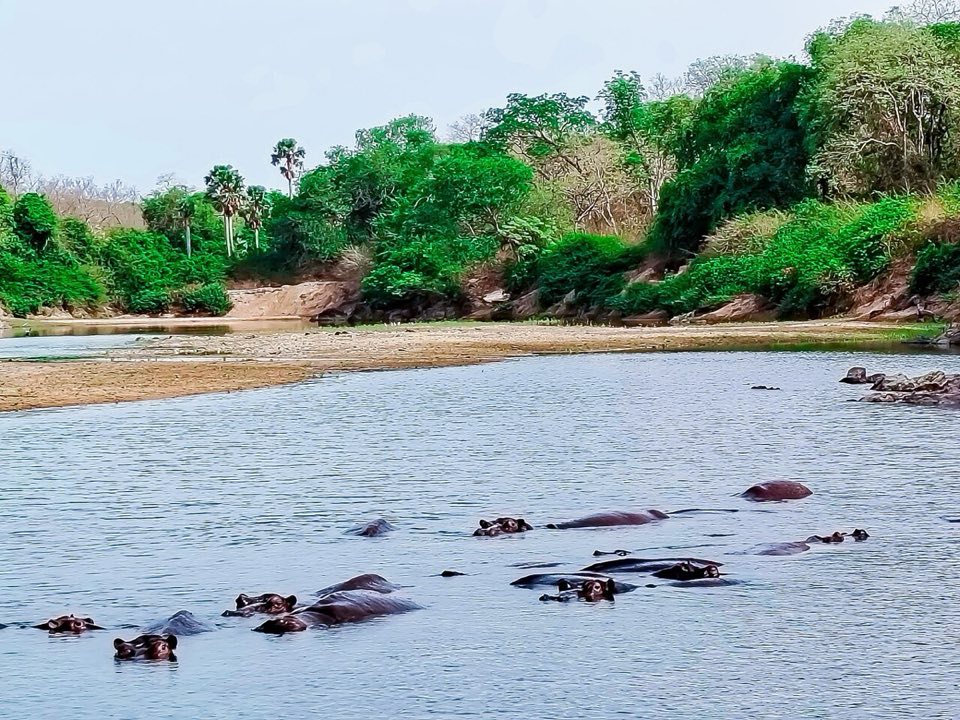
Hippopotamus (about 190 on 100 km of river in 2013, densest near Buffle Noir), giant (Derby) eland, kob, hartebeest, waterbuck, roan; lion (a few), elephant (seasonal); 306 bird species — Egyptian plover, carmine bee-eaters, Abyssinian ground hornbill, fish eagles. Bénoué National Park, North Region (UNESCO biosphere reserve), Cameroon.
Best time: 1 Feb – 15 Apr (February to April). Where: Buffle Noir – park headquarters and camp on the Bénoué river, Garoua – regional capital and airport, N1 Garoua–Ngaoundéré road – park's western boundary (Cameroon). Time of day: Hippos are in the pools in front of Buffle Noir all day and loudest at dusk and in the first hour of dark as they leave to graze.
- Guide, ranger or boat needed
- Entry fee
- Binoculars helpful
- Sound 4/5
Open it in the interactive calendarSunrise and sunset listening times for the day you pick, and the map.
When is the best time?
Peak: 1 Feb – 15 Apr. February to mid April, the heart of the dry season: the grass has been burned, the river has dropped to pools and the hippo pods are packed below the camp; the park is effectively closed by the rains from late April
Active from 1 Dec to 30 Apr (December to April) in a typical year.
Time of day
Hippos are in the pools in front of Buffle Noir all day and loudest at dusk and in the first hour of dark as they leave to graze; game drives (guide compulsory) from sunrise to 10:00 and 16:00 to sunset; carmine bee-eater colonies on the river cliffs are active all day in March–April
- Morning drive: sunrise → 10:00
- Afternoon drive: 16:00 → sunset
- Hippos leave the river: sunset → 90 min after last light
What will you hear?
The Bénoué at the dry-season low: hippo pods grunting and blowing a hundred metres below the camp terrace, the splash and heavy tread as they come out after dark, lion at a distance on still nights, the hoot of ground hornbills and the piping of Egyptian plovers on the sandbars at dawn; carmine bee-eaters in their thousands at the river-bank colonies.
Binoculars?
Binoculars helpful. Hippo pods 100 m below the camp terrace are naked-eye; binoculars for eland and kob on the burned savanna and the bee-eater colonies.
Where to go
- Buffle Noir – park headquarters and camp on the Bénoué river — The old park camp and the eco-guards' base, on a bend of the river where hippo densities have stayed stable since the 1970s; coordinates approximate — the Buffle Noir hunting zone (ZIC 01) is on OSM, the camp sits on the river inside the park. Map
- Garoua – regional capital and airport — Flights from Yaoundé and Douala; 4x4 hire and the park's Garoua contacts; the park is 2–3 hours south on the N1. Map
- N1 Garoua–Ngaoundéré road – park's western boundary — The highway forms the park's western edge; the roadside savanna gives the dry-season birds for free. Map
How to go on your own, and what it costs
A park guide in the vehicle is compulsory. Cheapest legal way: bus to Garoua, a shared 4x4 or hired car to Buffle Noir with the park's agreement, entry and guide fees at the gate, a room or tent at the camp (bring food).
Cost: Entry per day, guide and vehicle; no published tariff — check current prices with the Garoua park office and confirm the camp is open.
Free or no-guide alternative: The N1 along the park's western boundary and the Bénoué river bridges north of the park give the dry-season savanna birds — ground hornbills, bee-eaters, plovers on the sandbars — from the public road; the hippos are inside.
Field-recording notes
A guide is compulsory for every vehicle and walk (park rule). Buffle Noir has been run down and its status changes year to year — confirm the camp is open before driving down; there is no walk-in. The North Region has had kidnappings along the Nigerian border and banditry on the roads: check current travel advice, travel in daylight, and ask the park office in Garoua about the current situation. Gold-digging camps occupy the northern half of the park and pastoralists water cattle at the river, so expect people and cattle in the soundscape away from the camp. Harmattan dust from December to February; heat from March, with the still, quiet hours before dawn.
Sources
- Declining population of the common hippopotamus in Bénoué National Park 1976–2013 (Oryx, Cambridge) — counts, stable densities at Buffle Noir, threats
- Bénoué National Park (Wikipedia) — biosphere reserve, 306 bird species, access
Similar spectacles
 Comoé: elephants, hippos and the savanna-forest mosaicHippos bellowing on the Comoé at dusk, elephants at the river pools, lions are not to be expected but spotted hyena whoop; the ground hornbill's booming duet at dawn and the harmattan wind in the gallery forest.
 Wechiau: hippos on the Black Volta at duskThe Black Volta's hippo pools: the stacked laughing grunt of a bull answered down the river, blows and splashes as the pod surfaces, then at dusk the heavy walk of hippos leaving the water to graze a few hundred metres from the Talawona camp. Egyptian plovers piping on the sandbars, fish eagles, carmine bee-eaters in the dry-season colonies on the banks.
 Loango: forest elephants, buffalo and hippos on the ocean beachSurf behind everything. Elephants are near-silent on sand, but the rumbles and the crack of branches at the forest edge carry at dawn; hippo grunts from the lagoons at dusk; red river hog groups snuffling through the leaf litter; the chatter of river-martin flocks over the water in August–October and chimpanzee pant-hoots from the forest behind Akaka in the wet season.
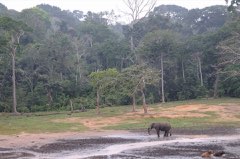 Sapo National Park — pygmy hippo, elephants and the deepest forest in West AfricaPrimary Upper Guinea rainforest with nothing man-made within a day's walk: casqued hornbills, chimps, Diana monkeys, the whistles of duikers, elephants rumbling at night, tree hyrax, and the full insect and frog layer of a forest that has never been logged.
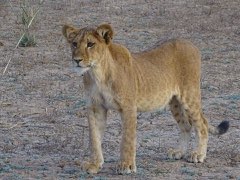 Pendjari: lions, elephants and hippos at the dry-season poolsLions roaring across the Pendjari plain in the small hours — one of the few places in West Africa where this is still likely — hippos bellowing at Mare Bali, elephants at the pools, hyena whoops and a savanna dawn of francolins, ground hornbills and doves.
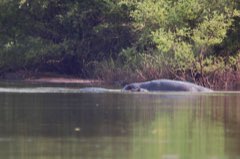 Niokolo-Koba — hippos, lions and the Gambia river in the dry seasonHippo pods bellowing on the Gambia river below the Simenti terrace, lions roaring across the dry savanna, hyenas, and at dawn the booming of ground hornbills and the calls of spur-winged geese and Egyptian plovers on the sandbars.
More: all spectacles in Cameroon · hippos · mountain wildlife · Cameroon in February · Cameroon in March · April