
Hippos on the Mono river
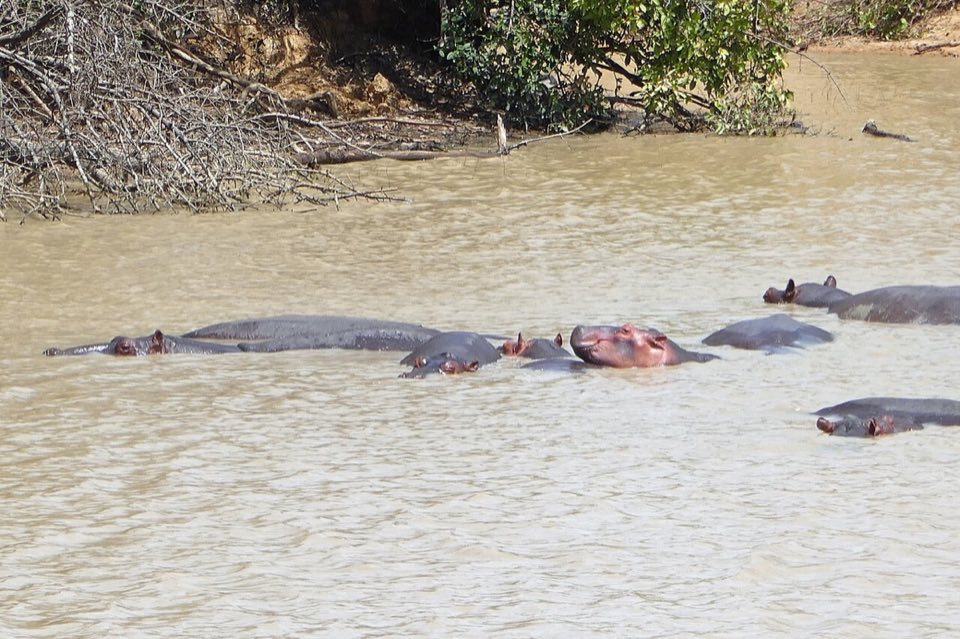
Hippopotamus (Hippopotamus amphibius), with waterbirds and gallery-forest birds. Mono river, Togodo protected area and the Togo–Benin border, Togo.
Best time: 15 Jan – 31 Mar (January to March). Where: Togodo Sud – Mono river pools near Tokpli, Agbannakin / Athiémé (Benin side) (Togo). Time of day: Grunting choruses from the last hour of light through the first hours of dark.
- Guide, ranger or boat needed
- Low cost
- Binoculars helpful
- Sound 4/5
Open it in the interactive calendarSunrise and sunset listening times for the day you pick, and the map.
When is the best time?
Peak: 15 Jan – 31 Mar. Mid January to March, low water, when the pods are confined to the deep pools
Active from 1 Dec to 30 Apr (December to April) in a typical year.
Time of day
Grunting choruses from the last hour of light through the first hours of dark; animals graze on the banks at night and are back in the water by sunrise
- Evening chorus: 1 h before sunset → 2 h after last light
- Return to the pools: 1 h before sunrise → 30 min after sunrise
What will you hear?
Hippo laughing-grunts and blows from the river pools at dusk, carrying up the gallery forest, with nightjars and the fishing villages beyond.
Binoculars?
Binoculars helpful. Hippos at 50–100 m from the bank or pirogue at dusk; binoculars help in the last light, ears do the night.
Where to go
- Togodo Sud – Mono river pools near Tokpli — The Togodo protected area (Togodo Sud/Nord) holds the country's remaining hippos; access by pirogue with local guides from the riverside villages. Map
- Agbannakin / Athiémé (Benin side) — Pirogue trips to the same pods from the Benin bank, within the Mono biosphere reserve. Map
How to go on your own, and what it costs
Approaching the pools is by pirogue with village guides (safety); arrange at Tokpli or on the Benin bank at Agbannakin.
Cost: Pirogue and guide, negotiable; check current prices.
Free or no-guide alternative: The evening chorus carries to the public river bank at Tokpli and Agbannakin; listening from the village bank at dusk is free.
Field-recording notes
Hippos kill more people than any other African mammal: the guides decide the distance and you record from the bank or a stationary pirogue, never from a paddled approach at night. The Nangbéto dam upstream regulates the river, so pool levels can change without warning. Little infrastructure and few published counts — treat sightings as likely rather than guaranteed, and ask the biosphere-reserve teams at Grand-Popo or Lokossa for the current pools.
Sources
- Mono transboundary biosphere reserve – UNESCO MAB
- Réserve de biosphère transfrontalière du Delta du Mono – GIZ
Similar spectacles
 Pendjari: lions, elephants and hippos at the dry-season poolsLions roaring across the Pendjari plain in the small hours — one of the few places in West Africa where this is still likely — hippos bellowing at Mare Bali, elephants at the pools, hyena whoops and a savanna dawn of francolins, ground hornbills and doves.
 Niokolo-Koba — hippos, lions and the Gambia river in the dry seasonHippo pods bellowing on the Gambia river below the Simenti terrace, lions roaring across the dry savanna, hyenas, and at dawn the booming of ground hornbills and the calls of spur-winged geese and Egyptian plovers on the sandbars.
 Hippos and the chimpanzee islands of the River Gambia National ParkHippo pods grunting and blowing on the river bends below Janjanbureh, chimpanzee pant-hoots carrying across the water from the Baboon Islands, baboon troops on the banks and fish eagles at every bend.
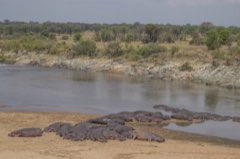 Outamba-Kilimi — hippos, chimps and the northern savanna at nightHippo pods on the Little Scarcies river, chimps and colobus in the gallery forests at dawn, ground hornbills booming, and savanna nights with nightjars and hyenas — Sierra Leone's oldest park and its emptiest.
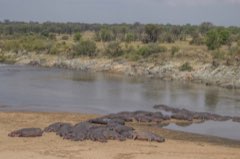 Kainji Lake: hippos and savanna nights on the Oli riverHippo choruses on the Oli river pools at dusk, hyena and nightjars around the camp, baboon barks, and the wide Guinea-savanna dawn of francolins, hornbills and doves.
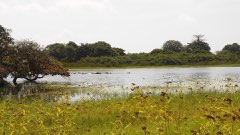 Saltwater hippos of OrangoHippo grunts and blows from a lagoon inside island forest, then the same animals walking past the village beach at night and surfacing in the sea in the morning — the world's only regularly marine hippos.
More: all spectacles in Togo · hippos · wildlife at night · Togo in January · Togo in February · Togo in March