
Lemming years and the owl irruption
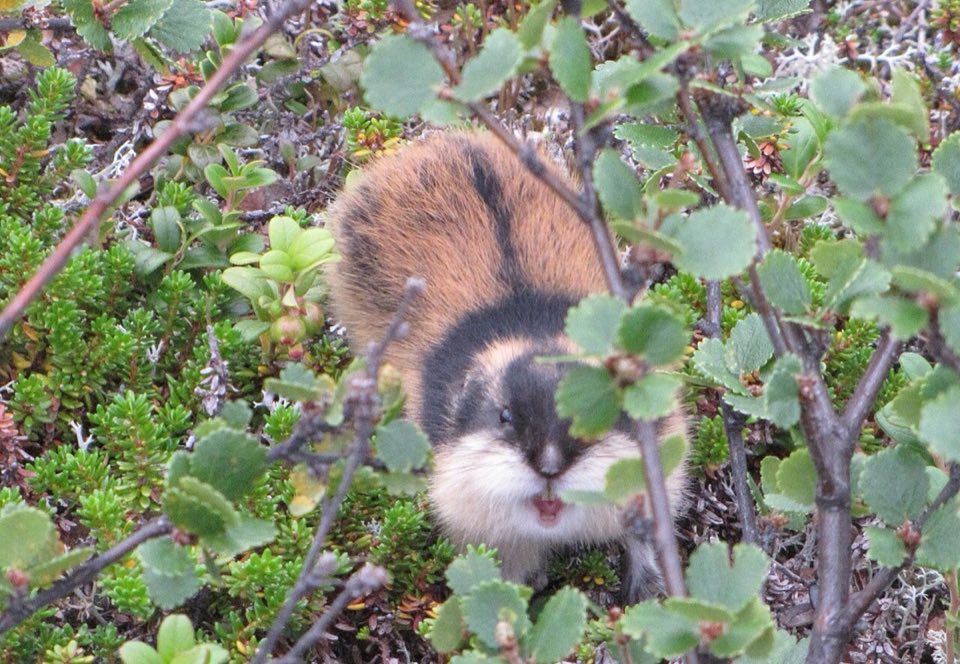
Norway lemming (Lemmus lemmus); snowy owl, short-eared owl, long-tailed skua, rough-legged buzzard, arctic fox — all breeding only in peak years. Dovrefjell, Hardangervidda, Finse, Varanger and the Finnmark tundra, Norway.
Best time: 15 Jun – 31 Aug (June to August). Where: Finse (Hardangervidda, Bergen railway), Dovrefjell (Hjerkinn – Kongsvold), Varanger peninsula (Komagdalen, Hamningberg road) (Norway). Time of day: Round the clock under the midnight sun.
- You can go on your own
- Free
- Binoculars essential
- Sound 4/5
Open it in the interactive calendarSunrise and sunset listening times for the day you pick, and the map.
When is the best time?
Peak: 15 Jun – 31 Aug. Mid June to August in a peak year — cycles run 3–5 years and are unpredictable; last strong nationwide peak 2011, moderate ones since
Active from 1 Jun to 30 Sep (June to September) in a typical year.
Time of day
Round the clock under the midnight sun; lemmings and the owls are most active in the 'dusk' and 'dawn' hours 22:00–04:00, and the wind often drops around 02:00.
- Night peak (midnight sun): 22:00 → 04:00
What will you hear?
Lemmings squeaking and chattering from every tussock and running across the trail, long-tailed skuas mewing, snowy owl barks and short-eared owl wing-claps, rough-legged buzzard mewing, arctic fox yips at a den; in a crash year, silence.
Binoculars?
Binoculars essential. Lemmings run across the trail, but snowy owls, skuas and buzzards are 200 m+ out on the tundra; binoculars needed, scope for owls.
Where to go
- Finse (Hardangervidda, Bergen railway) — Car-free mountain station at 1,222 m; lemmings on the plateau in peak years; classic snowy owl area. Map
- Dovrefjell (Hjerkinn – Kongsvold) — Arctic fox reintroduction area with dens; long-tailed skua on the plateau. Map
- Varanger peninsula (Komagdalen, Hamningberg road) — Tundra with snowy owls and skuas in vole/lemming years; the E75 coast road gives easy access. Map
How to go on your own, and what it costs
Finse: Bergen railway to the car-free station, walk the plateau paths. Dovrefjell: Hjerkinn and Kongsvold car parks and the marked trails; 200 m from arctic fox dens. Varanger: the E75 and the Hamningberg road give roadside tundra. Watch artsobservasjoner.no in May before booking.
Cost: Free.
Field-recording notes
The only way to plan this is to watch artsobservasjoner.no and the Fjellrev (arctic fox) project reports in May — if lemmings are reported in numbers, go. A peak year turns the plateau into a ground-level squeak-scape best captured with omnis on the ground; the owls and skuas are the big sound overhead. Arctic fox dens are protected: 200 m distance, no visits without the project. Wind, again, on every plateau; use the lee of boulders and record at 02:00 when it often drops.
Sources
Similar spectacles
 Provençal nights: nightingale, scops owl & stone-curlewNightingales in every tamarisk, scops owls' 'tiu' on a 2–3 s metronome, stone-curlew wails from the Crau, nightjars churring on the garrigue, tree frogs from the marsh.
 Karst nights: scops owl, nightjar and cicadasScops owl's monotone 'tyuh' every 2–3 s from village edges, nightjar churring on the dry meadows, sub-Mediterranean bush-cricket wall of sound, cicadas at 90+ dB at midday in July, eagle owl from the Vipava cliffs in late winter.
 Wolf howling and Ural owls, Kočevski Rog nightsPack howls with high pup yips from rendezvous sites, carrying several km across karst dolines; Ural owl's deep barking 'wuh-wuh-wuho' and female's hoarse calls; Tengmalm's owl in late winter; red deer in the same windows from mid September.
 Scops owl nights on the Dalmatian islandsSeveral scops owls counter-singing across a village at different pitches, nightjar churring from the maquis, Cetti's warbler, cicada tail-off at dusk, cricket and bush-cricket floor, sea against the shore.
 Príncipe after dark: the scops owl described in 2022, and the island's endemics at dawnA fast, insect-like 'tuu-tuu-tuu' at about one note a second, often as a duet with the female higher-pitched, from the old-growth forest of the uninhabited south — a sound nobody had named until 2022. Before dark, the island's grey parrots screaming to roost; at dawn, the thrush, the thrush-babbler, the speirops and the Príncipe sunbird in a forest with no roads.
 Mediterranean nights: nightingale & scops owlNightingales everywhere, the metronomic 'tiu' of scops owls (often several in duet), stone-curlew wails, tree frogs.
More: all spectacles in Norway · owls · mountain wildlife · Norway in June · Norway in July · Norway in August