
Scops owl nights on the Dalmatian islands
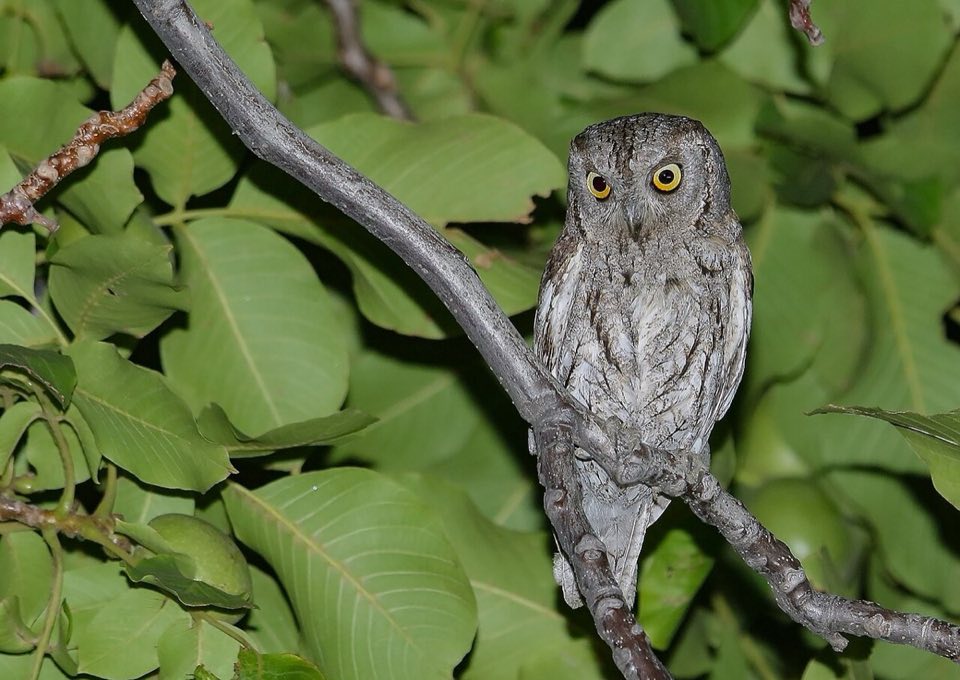
Scops owl (Otus scops) — Croatia is a European stronghold; also nightjar, little owl, cicadas ending at dusk. Brač, Hvar, Pelješac, Vis, Lastovo and the Dalmatian coast, Croatia.
Best time: 1 May – 20 Jun (May to June). Where: Brač – Pučišća / Škrip villages, Pelješac – Orebić hinterland, Lastovo Nature Park (Croatia). Time of day: Calling from about 30 min after sunset, strongest until 01:00 and again in the hour before dawn.
- You can go on your own
- Free
- No binoculars needed
- Sound 5/5
Open it in the interactive calendarSunrise and sunset listening times for the day you pick, and the map.
When is the best time?
Peak: 1 May – 20 Jun. May to 20 June; males arrive in April and the chorus peaks before incubation
Active from 10 Apr to 10 Aug (April to August) in a typical year.
Time of day
Calling from about 30 min after sunset, strongest until 01:00 and again in the hour before dawn; the cleanest village window is after the restaurants close (00:00) and before the fishing boats leave (04:00).
- Evening calling: 30 min after sunset → 01:00
- Quiet village window: 00:00 → 04:00
What will you hear?
Several scops owls counter-singing across a village at different pitches, nightjar churring from the maquis, Cetti's warbler, cicada tail-off at dusk, cricket and bush-cricket floor, sea against the shore.
Binoculars?
No binoculars needed. Night song from village pines and walls; nothing to see.
Where to go
- Brač – Pučišća / Škrip villages — Survey found 24 calling males in eight settlements; owls sing from pines and old walls inside the villages. Map
- Pelješac – Orebić hinterland — Highest studied urban breeding densities in southern Dalmatia; olive groves and cypress. Map
- Lastovo Nature Park — Most frequently recorded owl on the island; extremely dark, quiet, no through traffic. Also shearwaters at sea. Map
How to go on your own, and what it costs
Village streets and lanes on the islands are public at any hour: Pučišća and Škrip on Brač (ferry Split–Supetar), the Orebić hinterland lanes, Lastovo village (ferry from Split). Free; no playback.
Cost: Free; ferry fares apply.
Field-recording notes
Scops owls in Dalmatia are village birds, so the trick is timing: after the restaurants close (00:00) and before the fishing boats leave (04:00). Lastovo and Vis have almost no night traffic; Brač and Hvar have scooters until late. Summer maestral wind dies at sunset. Owls answer imitations instantly — that is exactly why not to play back (protected species; Croatian nature protection law forbids disturbing breeding birds). Mosquitoes are moderate; the bigger issue is the extreme quiet, which exposes recorder self-noise — use your best preamps.
Sources
- Breeding density of Scops Owl on Pelješac (paper)
- Park prirode Lastovsko otočje – natural heritage
- xeno-canto – Scops owl
Similar spectacles
 Provençal nights: nightingale, scops owl & stone-curlewNightingales in every tamarisk, scops owls' 'tiu' on a 2–3 s metronome, stone-curlew wails from the Crau, nightjars churring on the garrigue, tree frogs from the marsh.
 Karst nights: scops owl, nightjar and cicadasScops owl's monotone 'tyuh' every 2–3 s from village edges, nightjar churring on the dry meadows, sub-Mediterranean bush-cricket wall of sound, cicadas at 90+ dB at midday in July, eagle owl from the Vipava cliffs in late winter.
 Mediterranean nights: nightingale & scops owlNightingales everywhere, the metronomic 'tiu' of scops owls (often several in duet), stone-curlew wails, tree frogs.
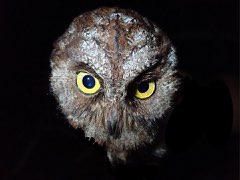 Príncipe after dark: the scops owl described in 2022, and the island's endemics at dawnA fast, insect-like 'tuu-tuu-tuu' at about one note a second, often as a duet with the female higher-pitched, from the old-growth forest of the uninhabited south — a sound nobody had named until 2022. Before dark, the island's grey parrots screaming to roost; at dawn, the thrush, the thrush-babbler, the speirops and the Príncipe sunbird in a forest with no roads.
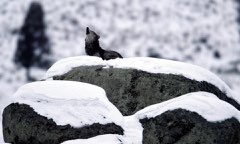 Wolf howling and Ural owls, Kočevski Rog nightsPack howls with high pup yips from rendezvous sites, carrying several km across karst dolines; Ural owl's deep barking 'wuh-wuh-wuho' and female's hoarse calls; Tengmalm's owl in late winter; red deer in the same windows from mid September.
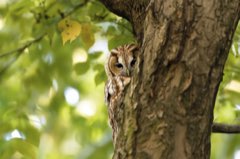 Tawny owl territorial callingHoots and 'ke-wick' duets and disputes as young birds try to settle territories; sometimes three or four birds answering.
More: all spectacles in Croatia · owls · wildlife at night · Croatia in May · Croatia in June