
Late-summer bush-cricket & grasshopper chorus
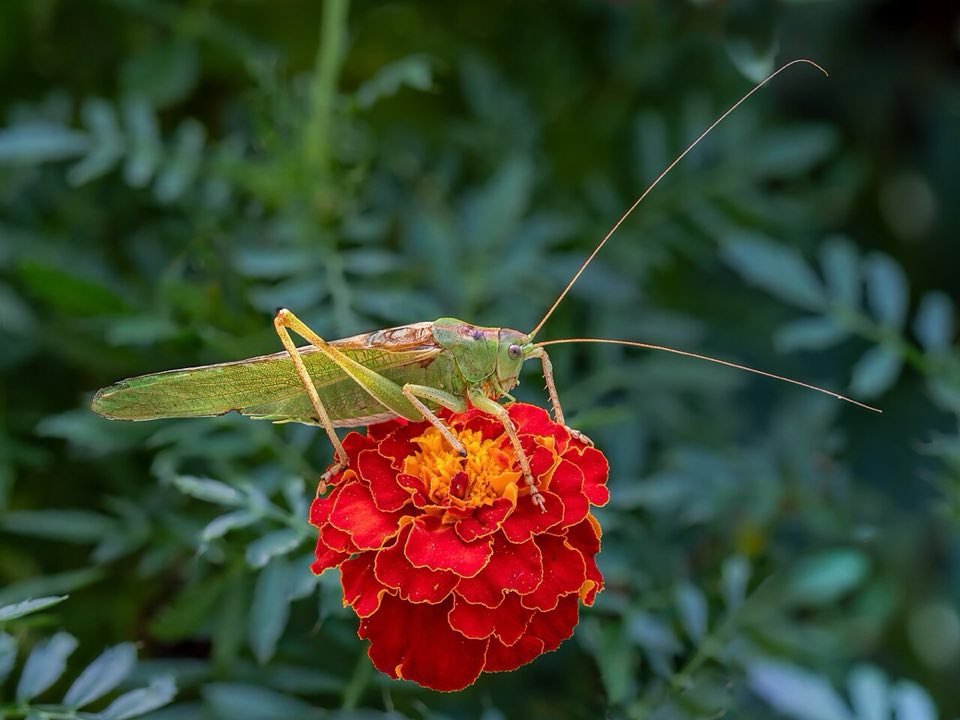
Great green bush-cricket, dark bush-cricket, Roesel's bush-cricket, field grasshopper. Southern England coasts & downs, United Kingdom.
Best time: 1 Aug – 31 Aug (August). Where: Dungeness, Kent, Durlston Country Park, Isle of Purbeck, South Downs chalk grassland (Devil's Dyke) (United Kingdom). Time of day: Grasshoppers sing in the heat from late morning to late afternoon (11:00–17:00).
- You can go on your own
- Low cost
- No binoculars needed
- Sound 3/5
Open it in the interactive calendarSunrise and sunset listening times for the day you pick, and the map.
When is the best time?
Peak: 1 Aug – 31 Aug. August
Active from 1 Jul to 30 Sep (July to September) in a typical year.
Time of day
Grasshoppers sing in the heat from late morning to late afternoon (11:00–17:00); bush-crickets take over from dusk to about midnight, fading as it cools below 12 °C.
- Grasshopper day chorus: 11:00 → 17:00
- Bush-cricket night chorus: sunset → 00:00
What will you hear?
Loud sewing-machine buzz of great green bush-crickets from coastal scrub; ticking of dark bush-crickets; the electric drone of Roesel's in rough grassland.
Binoculars?
No binoculars needed. Singing insects at your feet; a torch helps find them, binoculars do not.
Where to go
- Dungeness, Kent — Coastal scrub and shingle; Lydd ranges and the power station hum at times. Map
- Durlston Country Park, Isle of Purbeck — Great green bush-crickets in cliff-top scrub; sea below. Map
- South Downs chalk grassland (Devil's Dyke) — Grasshopper day chorus; paragliders and traffic at the viewpoint, quieter along the escarpment. Map
How to go on your own, and what it costs
Dungeness: free, walk the shingle and scrub from the RSPB reserve road or the lighthouse. Durlston Country Park: pay-and-display car park, paths open at all hours. Devil's Dyke: National Trust car park (non-member charge), open access downland along the South Downs Way.
Cost: Free; Durlston car park £2.50 (1 h) to £7.90 (5 h+) and Devil's Dyke NT car park £1.65 (1 h) / £3.30 (2 h) / £8 all day for non-members (2026).
Field-recording notes
Much of the energy sits above 10 kHz and some species are largely ultrasonic, so bandwidth and an HF-clean mic matter; full-spectrum recorders reveal the rest. Warm, still nights are best; activity collapses below about 12°C.
Sources
Similar spectacles
 Cicadas of ProvenceThe Provence cliché done properly: Lyristes' continuous saw at 100+ dB from the pines, Cicada orni's pulsing ticks from the oaks, and a shift of species with the hour and the tree.
 Cicada summer of the Adriatic coastContinuous Cicada orni ticking at 5–8 kHz merging into a shimmer, Lyristes plebejus's louder pulsing song from pines, cricket chorus at night, scops owl, sea.
 Cicada summer chorusWall-of-sound cicada chorus in pinewoods and olive groves, with pulsing, overlapping rhythms of different species.
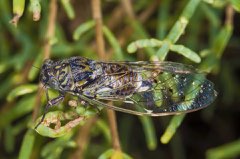 Cicadas of the Spanish pinewoodsContinuous cicada chorus from Aleppo and stone pines — Cicada orni's ticking pulses over Lyristes' saw — with the sea and, at dusk, bush-crickets taking over.
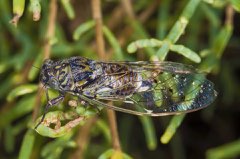 Cicadas of Ticino and the Valais rock steppesCicada orni ticking merging into a wall in the chestnut and oak woods, Lyristes pulsing from pines, grasshoppers on the steppe; in the Valais, bee-eaters and a föhn wind.
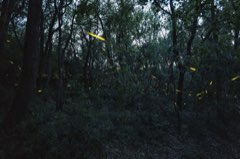 Firefly nightsA visual spectacle: synchronised flashing over meadows. For sound, the early-summer night ambience — crickets, nightingales, and scops owls.
More: all spectacles in the United Kingdom · cicadas, crickets and fireflies · the United Kingdom in August