
Cicada summer of the Adriatic coast
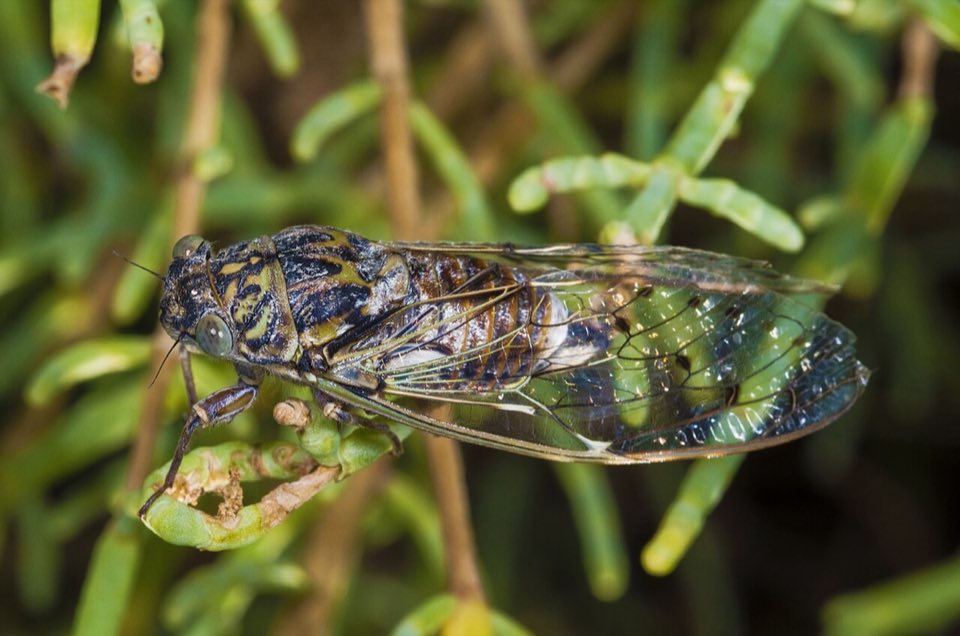
Cicada orni, Lyristes plebejus, Cicadatra atra; bush-crickets (Tettigonia, Ephippiger) and crickets by night. Dalmatian coast and islands, Istria, Croatia.
Best time: 1 Jul – 15 Aug (July to August). Where: Telašćica Nature Park, Dugi otok, Mljet National Park (Pomena – Veliko jezero), Hvar – Stari Grad plain (UNESCO) (Croatia). Time of day: Cicada orni from about 10:00, full chorus 11:00–17:00.
- You can go on your own
- Low cost
- No binoculars needed
- Sound 5/5
Open it in the interactive calendarSunrise and sunset listening times for the day you pick, and the map.
When is the best time?
Peak: 1 Jul – 15 Aug. July to mid August; first cicadas in the second week of June on the islands
Active from 1 Jun to 15 Sep (June to September) in a typical year.
Time of day
Cicada orni from about 10:00, full chorus 11:00–17:00; Lyristes continues into dusk and crickets take over after dark.
- Cicada chorus: 10:00 → 17:00
- Lyristes into dusk: sunset → 90 min after sunset
What will you hear?
Continuous Cicada orni ticking at 5–8 kHz merging into a shimmer, Lyristes plebejus's louder pulsing song from pines, cricket chorus at night, scops owl, sea.
Binoculars?
No binoculars needed. Wall of sound from every pine; nothing to look through.
Where to go
- Telašćica Nature Park, Dugi otok — Pine and holm-oak on the cliffs; no roads inside the park. Map
- Mljet National Park (Pomena – Veliko jezero) — Dense Aleppo pine forest around the saltwater lakes; ferry noise only at Pomena. Map
- Hvar – Stari Grad plain (UNESCO) — Olive and lavender field walls; cicadas in the pines and the drystone-wall crickets by night. Map
How to go on your own, and what it costs
Hvar's Stari Grad plain lanes are public and free. Telašćica (Dugi otok) and Mljet are ticketed parks: Telašćica entry at the Sali or Mir gates, Mljet at Pomena/Polače (ferries from Split/Dubrovnik) — then walk the pine trails.
Cost: Stari Grad plain free; Telašćica entry €6 off-season / €8 Jun–Sep adult (2026); Mljet entry €20 (Jan–May, Oct–Dec) / €30 (Jun–Sep) adult (2026).
Field-recording notes
Cicadas are the easy part; the challenge is finding a pine grove out of range of scooters, jet-skis and outdoor restaurant music — the island interiors and the two island national parks are the answer. Species separate by tree: Cicada orni in olives and pines lower down, Lyristes in tall pines; a close pair at 1–2 m on a trunk plus a wide ambience gives you both. Midday heat: 35 °C+ on the rocks, and mistral from early afternoon adds wind noise on the coast. No restrictions, but Telašćica and Mljet require entry tickets and prohibit off-trail camping.
Sources
Similar spectacles
 Cicadas of ProvenceThe Provence cliché done properly: Lyristes' continuous saw at 100+ dB from the pines, Cicada orni's pulsing ticks from the oaks, and a shift of species with the hour and the tree.
 Cicada summer chorusWall-of-sound cicada chorus in pinewoods and olive groves, with pulsing, overlapping rhythms of different species.
 Cicadas of the Spanish pinewoodsContinuous cicada chorus from Aleppo and stone pines — Cicada orni's ticking pulses over Lyristes' saw — with the sea and, at dusk, bush-crickets taking over.
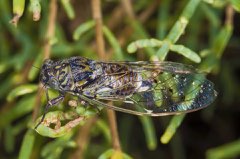 Cicadas of Ticino and the Valais rock steppesCicada orni ticking merging into a wall in the chestnut and oak woods, Lyristes pulsing from pines, grasshoppers on the steppe; in the Valais, bee-eaters and a föhn wind.
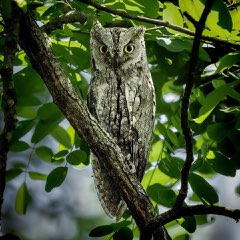 Karst nights: scops owl, nightjar and cicadasScops owl's monotone 'tyuh' every 2–3 s from village edges, nightjar churring on the dry meadows, sub-Mediterranean bush-cricket wall of sound, cicadas at 90+ dB at midday in July, eagle owl from the Vipava cliffs in late winter.
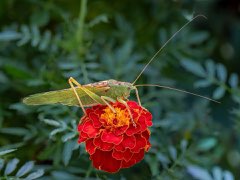 Late-summer bush-cricket & grasshopper chorusLoud sewing-machine buzz of great green bush-crickets from coastal scrub; ticking of dark bush-crickets; the electric drone of Roesel's in rough grassland.
More: all spectacles in Croatia · cicadas · cicadas, crickets and fireflies · Croatia in July · Croatia in August